
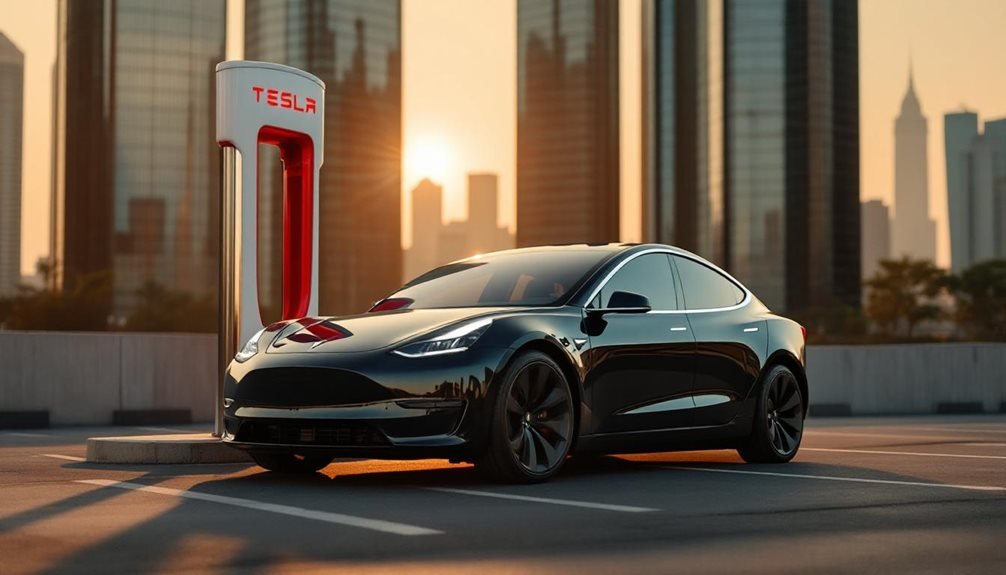
As Tesla seeks shareholder approval for a new executive compensation package, the electric car company’s board is proposing a massive pay deal tied to extraordinary growth targets. The proposal would reward CEO Elon Musk if Tesla reaches a market value of $8.5 trillion. That’s an extreme increase from today’s valuation. The structure ties Musk’s compensation entirely to how well Tesla performs, making it what supporters call a “shareholder-aligned” incentive.
Tesla’s board proposes tying CEO Elon Musk’s compensation entirely to extraordinary growth targets, with potential rewards if the company reaches an $8.5 trillion valuation.
The deal would require approval from Tesla shareholders before it can take effect. The company’s board argues this package is necessary to keep Musk focused on Tesla’s long-term success. It’s also designed to help Tesla compete for top talent in the intensely competitive AI industry. The proposal includes plans to add 60 million shares to the company’s general reserve for employee compensation across the organization. The board emphasizes that equity compensation is central to Tesla’s talent retention strategy.
The board also wants to set aside approximately 208 million shares in a special reserve. This reserve would handle the fallout from an earlier legal battle. In 2018, Tesla granted Musk a different compensation package, but a court later invalidated it. The new share reserve would let the board resolve this lawsuit without needing additional shareholder votes.
However, the proposal has created division among proxy advisors—firms that recommend to investors how to vote. Some major advisory companies support the deal, pointing to the strong performance requirements. Others oppose it because of the award’s enormous size and the massive growth assumptions required. This disagreement has left many shareholders uncertain about whether to vote yes or no.
The competing recommendations reflect a larger debate in corporate America about executive pay. Critics worry that the targets are unrealistic and that Musk could receive an enormous windfall. Supporters counter that the deal benefits shareholders because Musk only gets paid if Tesla achieves record-breaking growth that would dramatically increase shareholder wealth.
Tesla shareholders will ultimately determine whether to approve this compensation structure. The vote represents a significant moment for the company as it steers through both its executive compensation strategy and ongoing legal challenges from past decisions.