

Buying a used Tesla means dealing with brutal depreciation that hits 60% within five years. Smart buyers focus on pre-2022 models for maximum savings, though 2022-2023 Model Ys offer better build quality. Battery health matters most—check capacity retention through Tesla’s app. Verify Full Self-Driving features actually work and inspect for phantom braking issues. Federal tax credits up to $4,000 help offset costs. Grasping these nuances separates savvy purchases from expensive mistakes.
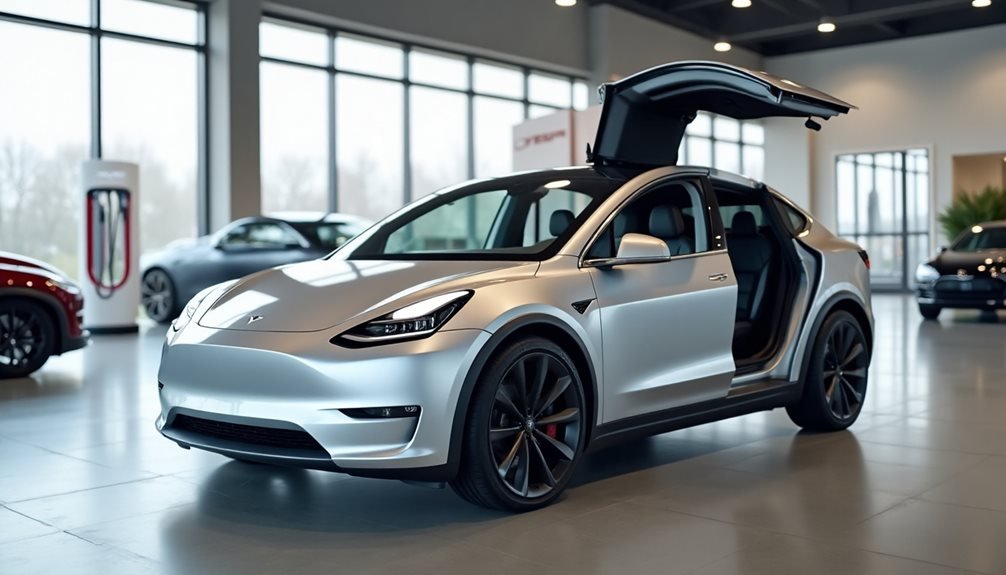
Why blow a fortune on a brand-new Tesla when the used market is practically screaming deals? Used Teslas cost considerably less than new models, especially those older S and X variants that depreciate like rocks rolling downhill. Pre-2022 models take the biggest financial hits, which translates to better deals for astute buyers.
Here’s the kicker: many used Teslas come loaded with expensive add-ons like Full Self-Driving and premium trims at a fraction of their original prices. Used luxury EVs often cost less than new mid-range gas guzzlers. Tesla’s retain value better than most luxury cars anyway, so the math actually works.
Safety and tech features matter most. Buyers should prioritize models with FSD and Autopilot systems, but verifying hardware compatibility and software versions is essential. Battery management systems and thermal upgrades make real differences, especially in later models with 4680-cell batteries.
Don’t forget to check for premium audio, panoramic roofs, and charging gear inclusion.
Battery health separates smart purchases from costly mistakes. Capacity retention can be assessed through Tesla’s app or third-party tools. Most batteries retain 90% capacity under 100,000 miles, though Performance variants with Launch Control history show accelerated degradation.
Deep cycle Supercharging frequency tells stories about previous ownership habits. Model-specific considerations reveal telling patterns. The 2022-2023 Model Ys offer improved build quality and better battery technology, while 2020 versions carry more recalls and panel alignment issues.
Pre-2021 S and X models provide steeper discounts but fewer modern amenities. Performance trims show unique wear patterns, particularly tire degradation.
Common issues plague certain generations. Phantom braking affects newer Autopilot systems, creating false emergency stops. Panel gaps remain notorious on 2020-2021 Model Ys. Tesla Vision systems in 2021-plus models require proper camera calibration since radar was eliminated.
The inspection process demands attention to detail. VIN verification must match chassis numbers to titles and maintenance records. Battery pack inspection underneath reveals potential damage. Service records and accident reports provide ownership history background. Some used EVs qualify for federal tax credits of up to $4,000 to help offset purchase costs.
Software update logs and Autopilot calibration status indicate system health. Prioritize vehicles with years remaining on the 8-year unlimited mileage battery and drive unit warranty for maximum peace of mind. Keep in mind that Tesla vehicles typically depreciate about 60% of their original MSRP over the first five years, which factor into their trade-in and resale values. Legal compliance means matching documentation to actual vehicle configurations. Smart buyers check everything twice.
Frequently Asked Questions
Can I Transfer Tesla’s Full Self-Driving Package to My Name?
Tesla’s Full Self-Driving package can transfer to a new owner’s name, but only if certain conditions are met.
The FSD must be fully paid—no partial payments or active subscriptions. The seller initiates removal through the Tesla app, providing the buyer’s email.
The buyer needs an active Tesla account for immediate access. Hardware compatibility matters too.
Older models lacking FSD-compliant computers won’t work.
Will Tesla Honor Warranty Coverage if I Buy From a Private Seller?
Tesla will honor warranty coverage from private sellers, but there’s a catch. The original warranty must still be active for transfer. Basic vehicle warranty and battery coverage can transfer with proper paperwork.
Extended Service Agreements transfer too if the previous owner purchased one. However, there’s no guarantee with non-Tesla inventory sales.
Smart buyers check MyTesla accounts first and contact Tesla Support before purchasing.
How Do I Access the Previous Owner’s Charging History and Patterns?
The previous owner needs to grant access to their MyTesla account – that’s the easiest route.
Otherwise, buyers can request charging data from Tesla using the VIN, though permission might be required and fees could apply.
The “Charging” section shows Supercharging history, including those sweet $0 sessions from free charging packages.
If sellers refuse access, that’s a massive red flag screaming “run away.”
Can I Finance a Used Tesla Through Tesla’s Own Financing Program?
Tesla does offer financing for used vehicles through third-party partnerships. Buyers can apply after placing an order via their Tesla Account.
The process mirrors new car financing—credit check, documentation, digital signatures.
Terms typically run 36-84 months, though interest rates are higher than for new vehicles.
Battery health and mileage affect approval odds.
Business purchases? Forget it.
Private sales? Also out of luck.
What Happens if the Previous Owner Stops Paying for Premium Connectivity?
If the previous owner stops paying for Premium Connectivity, it doesn’t matter. The subscription stays tied to their account, not the car.
The new owner gets bumped down to Standard Connectivity regardless. Tesla doesn’t send alerts about expired subscriptions to buyers either.
Basically, the previous owner’s payment status is irrelevant. New owners start fresh with basic connectivity and must arrange their own subscription if they want premium features.