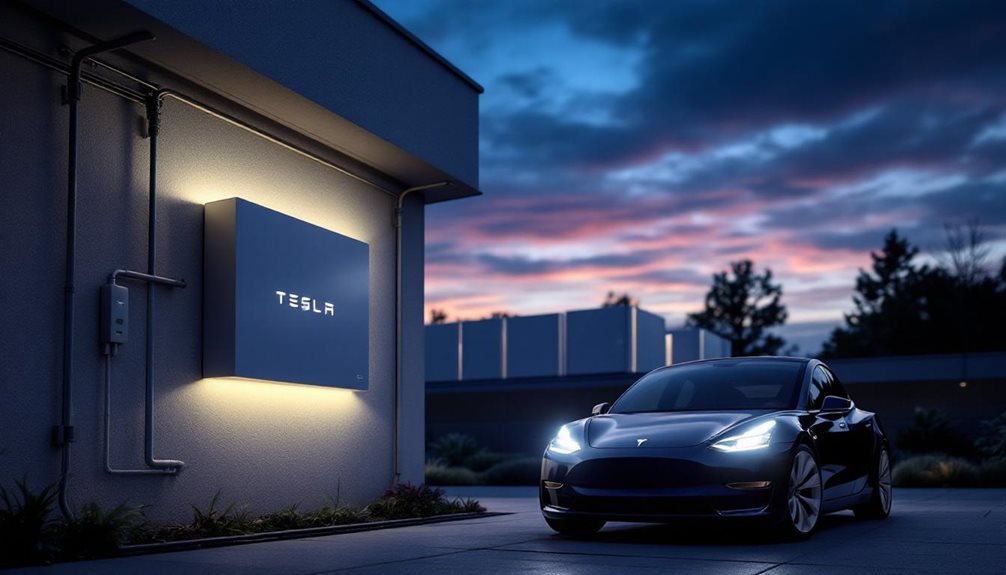

Tesla’s energy and services divisions have become a bright spot for the company as its car business faces tougher times. The energy storage unit utilized 31.4 gigawatt-hours in 2024, doubling its annual output. This growth comes as Tesla’s automotive profit margins dropped to around 15% from previous highs near 30%.
The energy division’s revenue jumped 67% to $10.09 billion in 2024. In the fourth quarter alone, energy segment revenue surged 113% to $3.06 billion. These numbers show how quickly this part of Tesla’s business is growing compared to car sales. The remarkable growth in the energy division emphasizes the diversification of Tesla’s revenue streams. As a result, analysts are closely monitoring Tesla’s quarterly financial performance to gauge the long-term impact of this expansion on the company’s overall profitability. Such advancements could position Tesla as a leader not only in the automotive industry but also in the renewable energy sector.
Tesla’s energy products include Powerwall batteries for homes and Megapack systems for utilities. Demand for these products has increased due to climate policies and the need to modernize aging power grids. The company wants to grow energy utilizations by more than 50% yearly in 2025, though battery pack shortages could slow this goal.
The shift toward energy and services comes as Tesla cuts prices on its Model 3 and Model Y cars. These price cuts help sell more vehicles but hurt profit margins. The company hopes its Full Self-Driving software will eventually bring in more money through subscriptions. Tesla launched pilot robotaxi services in Austin using Model Ys equipped with FSD technology, though the software remains at Level 2 autonomy. As Tesla’s shift from cars to robots becomes more pronounced, the company aims to diversify its revenue streams beyond traditional vehicle sales. The increasing investment in autonomous driving technology and robotics is seen as a crucial step towards achieving long-term sustainability and dominance in the future mobility market. By enhancing its software offerings and expanding into new services, Tesla hopes to redefine transportation and solidify its place as a leader in innovation.
Tesla isn’t without challenges in the energy market. Utilizations fell to 9.6 gigawatt-hours in early 2025, down from 11 gigawatt-hours in late 2024. The broader energy storage market grew 57% in the same period, showing Tesla lost some ground to competitors. This decline in utilization raises questions about Tesla’s competitive edge in the rapidly evolving energy sector. Meanwhile, tesla sales growth in china continues to be a bright spot for the company, as demand for electric vehicles remains strong in that market. However, to regain market share in energy storage, Tesla may need to innovate and enhance its offerings to meet the increasing expectations of consumers. Additionally, while Tesla sales in the US have shown resilience, the company’s focus must also turn to bolstering its energy storage solutions to compete effectively. Strategic partnerships and investment in new technologies could play a crucial role in this revitalization effort. Without swift action, Tesla risks further ceding market share to emerging rivals that are capitalizing on the growing demand for innovative energy solutions. To address these challenges, Tesla is investing in research and development to improve the efficiency of its energy storage solutions. Coupled with the ongoing tesla sales increase in china, the company has the potential to leverage its success in the electric vehicle market to boost its energy segment. As innovation unfolds, Tesla could reclaim its position and set new industry standards that align with consumer demands.
Policy changes could also affect Tesla’s energy business. The company depends on tax incentives and credits that might change. New tariffs or restrictions on Chinese minerals could raise costs since Tesla needs these materials for batteries. Tesla faces heightened risks from global trade tensions that could impact profitability across all business sectors. Additionally, investor sentiment around Tesla’s future performance may be influenced by these policy dynamics, leading to fluctuations in tesla stock surge expectations. As the company navigates these challenges, its ability to innovate and adapt to the evolving regulatory landscape will be crucial for maintaining its competitive edge. If Tesla can secure alternative supply sources and leverage new technologies, it may still achieve significant growth despite these external pressures.
Looking ahead, Tesla sees its energy division growing at least 50% yearly. The company’s working on connecting electric vehicles, energy storage, and grid services. Additionally, Virtual Power Plant programs can generate additional revenue for participating Powerwall owners. It’s also investing in automation to cut production costs.
While Tesla’s car business struggles with lower profits, the energy and services divisions offer hope. Whether these newer businesses can make up for declining auto margins remains an open question as competition increases globally.