
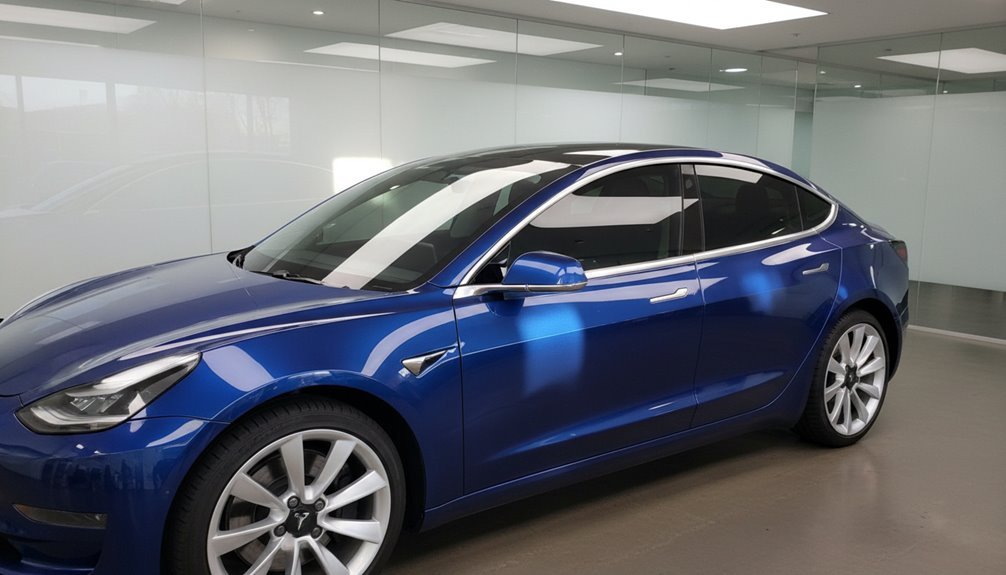
DHL Supply Chain’s received its first Tesla Semi Class 8 truck, marking a major shift toward electric freight transportation. The delivery follows a successful pilot program and represents the company’s commitment to reducing emissions across North America. DHL now operates more than 150 Class 8 electric vehicles and continues expanding its green fleet.
DHL Supply Chain receives its first Tesla Semi truck, signaling a major industry shift toward electric freight transportation and emissions reduction.
The pilot program in Livermore, California proved the Tesla Semi can handle real-world freight demands. During testing, the truck traveled over 3,000 miles on regular routes while hauling 75,000 pounds. It even completed a 390-mile long-haul route on a single charge. The vehicle consumed 1.72 kilowatt-hours per mile, performing better than DHL’s internal efficiency expectations.
The new truck will operate on central California routes averaging 100 miles daily. Because of this duty cycle, the vehicle needs charging only about once per week. This reduces downtime compared to daily charging schedules. The truck maintains a 500-mile maximum range when fully loaded, giving operators flexibility for route adjustments.
This implementation supports DHL’s major environmental goals. The company intends to reduce CO2e emissions by 29 million metric tons by 2030. Each Tesla Semi is projected to cut annual greenhouse gas emissions by 50 metric tons. These numbers move DHL toward its net-zero emissions target by 2050.
The partnership between DHL and Tesla represents a significant moment for the logistics industry. Tesla confirmed that DHL is an early partner supporting the Semi program’s development. Both companies are committed to refining the vehicle for future global markets. Tesla plans volume production to expand in 2026.
The successful pilot has attracted industry attention. Other carriers, including Keller Logistics, are now evaluating electric semis for their operations. The Tesla Semi’s performance demonstrates that heavy-duty electric vehicles can handle routes previously impossible for battery-powered trucks.
This shift from diesel to electric represents a turning point in freight transportation. DHL’s commitment shows that major logistics companies believe electric semis are ready for mainstream operations. As more carriers adopt this technology, the entire freight industry moves closer to a cleaner, more sustainable future.