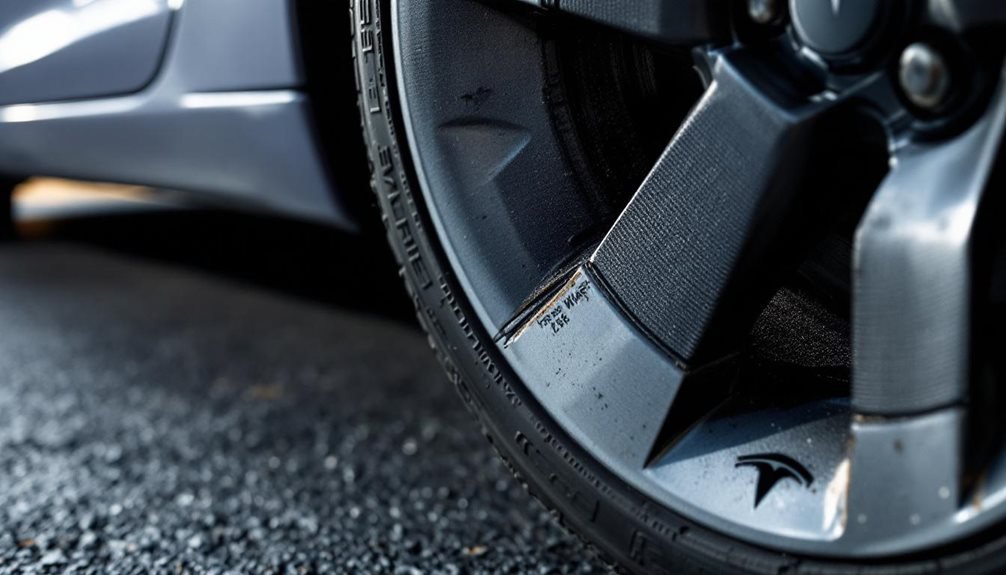

Tesla tires typically last 25,000 to 30,000 miles—roughly half the lifespan of traditional gas vehicle tires that can reach 50,000 to 70,000 miles. The culprit? Heavy battery weight and instant electric torque that chews through tread faster than a teenager demolishes a pizza. Some careful drivers squeeze 50,000 miles out of their rubber, while others face replacement after just 7,000 miles. Regular rotation every 6,250 miles helps, but physics remains unforgiving for these premium performance setups. Additionally, maximizing tire longevity often requires adjusting driving habits to accommodate the unique power delivery of electric vehicles. It’s also helpful to keep an eye on overall vehicle maintenance, as this can impact not only tire wear but also the tesla battery lifespan overview. By understanding how these factors interact, drivers can optimize both tire performance and battery health, ensuring a smoother, more efficient driving experience.
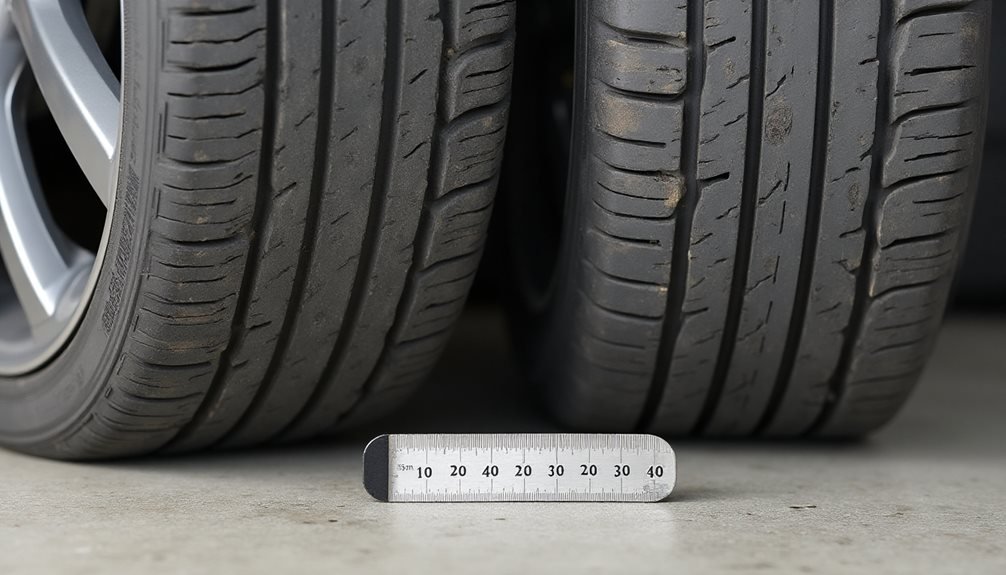
While gas car owners smugly cruise past 50,000 miles on their original tires, Tesla drivers are uncovering an expensive reality check. Those sleek electric vehicles come with a dirty little secret: their tires wear out embarrassingly fast. As a result, many Tesla owners are left to grapple with the high costs associated with frequent tire replacements. Various tesla tire wear factors contribute to this accelerated degradation, including the substantial torque produced by electric motors and the weight of the battery packs. Consequently, drivers may need to budget for these unexpected expenses, reshaping the overall cost of owning an electric vehicle. Additionally, the Tesla Model Y wheel specifications indicate that the larger wheels, while aesthetically appealing, can exacerbate tire wear issues. This means that owners who prioritize style over function might face even steeper costs when it comes to maintaining their vehicles. As such, it’s crucial for prospective buyers to factor in these elements when assessing the long-term affordability of their electric vehicle investment.
Most Tesla tires clock out somewhere between 25,000 and 30,000 miles under normal conditions. That’s roughly half the lifespan of traditional gas vehicle tires, which routinely exceed 50,000 to 70,000 miles according to Consumer Reports testing. Some Tesla owners hit the jackpot and squeeze 50,000 miles out of their rubber with conservative driving and religious maintenance. Others? They’re replacing tires at a soul-crushing 7,000 to 10,000 miles.
Tesla tires typically last 25,000-30,000 miles while gas car tires routinely exceed 50,000-70,000 miles under normal driving conditions.
The culprit isn’t faulty engineering. It’s physics. Electric vehicles pack heavy battery loads and deliver instant torque that chews through tread like a hungry teenager through pizza. Add aggressive acceleration habits, and those expensive tires become expensive memories faster than expected.
Tesla recommends tire replacement at 4/32-inch tread depth, which is more cautious than the Department of Transportation’s 2/32-inch standard. This means owners are shopping for new tires sooner than they might anticipate. And sticker shock hits hard. A complete set can cost $1,267 or more, especially for original equipment options from brands like Michelin.
Tire type matters materially. Performance tires deliver handling thrills but typically max out around 25,000 to 30,000 miles. All-season variants offer better longevity, potentially reaching 50,000 miles with gentle treatment. Summer tires? They lack warranties and wear rapidly in non-optimal climates. Consumer Reports’ extensive testing goes beyond the government’s 7,200-mile benchmark to provide more accurate tread life predictions for different tire categories.
Maintenance becomes fundamental for maximizing tire life. Regular pressure checks, rotations every 5,000 to 8,000 miles, and proper wheel alignments prevent premature wear patterns. Tesla specifically recommends tire rotation every 6,250 miles to ensure even wear and extend overall tire lifespan. Specialized EV service equipment adds complexity and cost to routine maintenance. Tesla owners dealing with frequent tire changes might appreciate that other vehicle functions like key card programming remain straightforward through the touchscreen interface. Understanding the tesla tire rotation frequency is crucial for maintaining optimal performance. Following the recommended schedule ensures that tires wear evenly, which not only enhances safety but also improves energy efficiency. Additionally, staying consistent with maintenance can help prevent unexpected costs associated with premature tire replacement. In addition to tire maintenance, owners should be mindful of the tesla software update duration, as these updates can include important performance enhancements and safety features. Regularly checking for updates can ensure that the vehicle operates at its best, minimizing potential issues that could impact overall functionality. By integrating both tire care and timely software updates, Tesla owners can maximize the longevity and efficiency of their electric vehicles.
Environmental factors compound the problem. Potholes, debris, extreme temperatures, and frequent city driving accelerate degradation. Cold climates particularly punish tire longevity, creating headaches for northern Tesla owners.
The bottom line? Tesla ownership means budgeting for more frequent tire replacements than traditional vehicles. Those smooth, silent rides come with hidden costs that extend far beyond the initial purchase price.
Frequently Asked Questions
Can I Use Non-Tesla Brand Tires on My Tesla Vehicle?
Tesla owners can absolutely slap non-Tesla tires on their rides. The catch? Those tires better match the original specs – size, load rating, speed rating, the whole deal. Tesla might throw a warranty tantrum if cheap rubber damages something important.
Most service centers will work with third-party tires, but they’ll lecture about quality. TPMS sensors need recalibration too, because nothing’s ever simple.
How Much Do Tesla Replacement Tires Typically Cost?
Tesla replacement tires hit wallets hard. Dealerships charge around $1,750 for four tires, not counting alignment fees. Third-party retailers offer relief—about $756 for two tires. Online platforms like Tire Rack slash costs further. Many Tesla owners are seeking alternatives to manage these expenses. By comparing tesla tire pricing information across various platforms, customers can find significant savings. This approach not only eases the financial burden but also ensures they have access to reliable tire options.
Wheel size matters; 20-inch wheels cost more than 19-inch. EV-specific compounds drive premium pricing. Compare that to regular cars paying $1,300 for four.
Geography affects pricing too.
Does Tesla Tire Wear Affect the Vehicle’s Warranty Coverage?
Tesla tire wear doesn’t affect the vehicle’s warranty coverage. Worn-out tires from neglect or misuse won’t invalidate vehicle warranties. The company excludes tires from all warranties anyway—they’re considered wear-and-tear items, not manufacturing defects.
Even aggressive driving that destroys tires won’t void coverage for other components like suspension. Tesla’s warranties don’t penalize owners for tire maintenance choices. Basically, tire condition stays separate from warranty eligibility.
Are Tesla Tires Covered Under Any Manufacturer Warranty?
Tesla tires come with manufacturer warranty coverage, but it’s not exactly straightforward. OEM tires reportedly have a 45,000-mile warranty, though Tesla’s official documents don’t spell this out clearly. It’s important for Tesla owners to consult their specific model’s documentation to understand the nuances of the tire warranty. For comprehensive information, checking the tesla vehicle warranty coverage details can provide further insights. Additionally, factors such as tire maintenance and proper usage may influence warranty claims.
There’s also an optional 12-month tire protection plan for road hazards—currently only available in California.
Pro-rated credits exist for premature wear, but owners need rotation records and proof of proper maintenance to qualify.
What Happens if I Get a Flat Tire in My Tesla?
When a Tesla gets a flat, drivers call roadside assistance at 877-798-3375 or carefully drive to a service center. No spare tire means no quick roadside swaps.
Tesla’s sound-dampening foam complicates traditional patches, so plug repairs work better. Small punctures might get DIY fixes with plug kits, but anything bigger needs professional help.
The wheel protection plan covers road hazards, thankfully.