
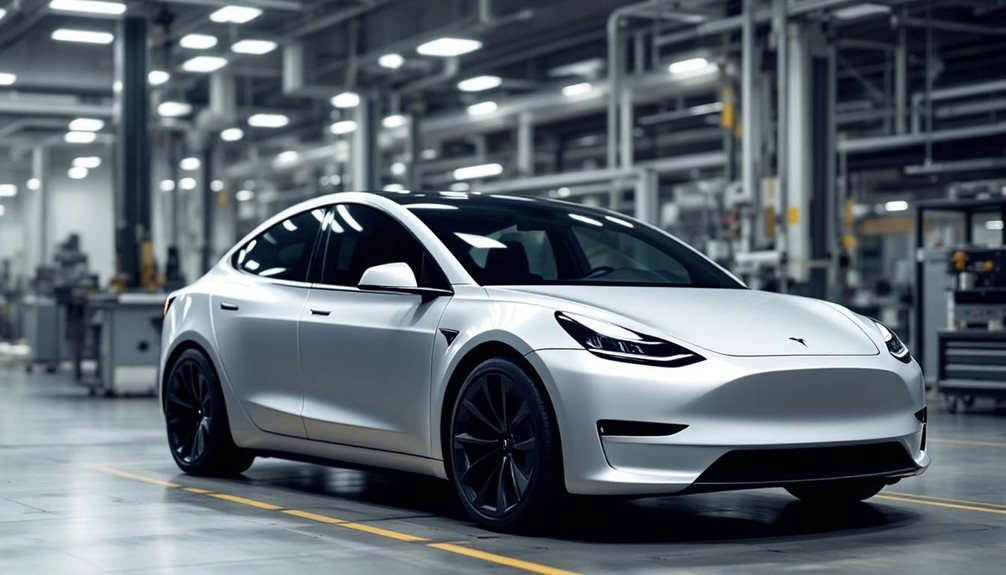
While most people can’t even test drive Tesla’s new robotaxi service, a small group of influencers and Tesla owners are already catching rides in self-driving cars. The company’s invitation-only system has created what many call an exclusive “robotaxi club” that’s become the latest tech status symbol.
Tesla started testing its robotaxi service in Austin with just 10 to 20 Model Y vehicles operating in specific areas called geofenced zones. These zones limit where the cars can travel, making routes safer during testing. The company plans to expand to San Francisco next, covering the Bay Area, with Atlanta, Phoenix, and other cities following later.
Getting an invitation isn’t easy. Tesla hasn’t opened public sign-ups. Instead, they’re choosing specific users, especially Tesla owners and people with large social media followings. This strategy helps Tesla build anticipation while keeping the test group small and manageable.
Tesla handpicks influencers and owners for exclusive robotaxi access, building anticipation through strategic scarcity.
The rides aren’t completely driverless yet. Each robotaxi has a safety driver behind the wheel who can take control if needed. Remote operators also monitor the vehicles. Tesla calls its system “FSD Unsupervised,” and it’s been tested through Project Rodeo, which puts cars through challenging routes to see how well they perform without human help.
Some Tesla fans are so enthusiastic to try the service they’ve driven over 1,000 miles just for a ride. These early users share their experiences online, creating buzz and making others want invitations even more. Tesla’s using this “fear of missing out” to build interest in the service. The email invitations have a subject line that reads “You’re Invited to Early Access to Tesla Robotaxi!” which adds to the exclusive feeling of being specially selected.
The company faces several obstacles before launching publicly. They need special permits called TCP permits to operate commercially. Tesla has not submitted the complete applications required by California’s DMV and CPUC for full autonomous operations. The National Highway Traffic Safety Administration has also questioned Tesla’s autonomy claims. Meanwhile, competitor Waymo already operates robotaxi services in California, creating additional pressure.
Tesla’s betting big on robotaxis, shifting focus from just selling electric cars to becoming a robotics and autonomous vehicle company. They’re targeting dense city areas where ride-hailing services are most popular.
Whether Tesla can beat established competitors like Waymo remains unclear, but their exclusive rollout strategy has undeniably captured attention.