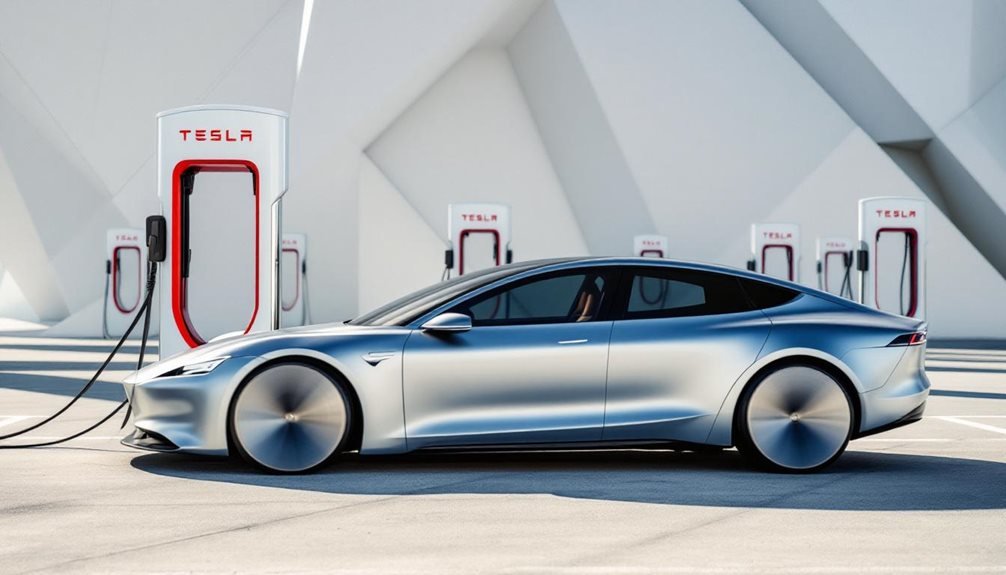
Starting July 31, 2025, all Lucid Air electric cars will be able to charge at Tesla’s Supercharger stations across North America. This change opens up more than 23,500 charging locations to Lucid owners, but there’s a catch. The cars will only charge at 50 kilowatts, much slower than Tesla’s maximum speed of 250 kilowatts. While this slower charging speed may limit convenience for some users, it still provides a valuable option for long-distance travel. Additionally, potential buyers should consider the $7,500 ev credit explained, which can help offset the overall cost of purchasing an electric vehicle. As more charging options become available, the benefits of owning a Lucid Air continue to grow, making it a compelling choice for eco-conscious consumers. This slower charging speed means that Lucid Air owners may need to plan their charging stops more carefully, especially on long trips. Furthermore, as the electric vehicle market grows, there are discussions about expanding access to Tesla superchargers for Honda EVs, potentially increasing convenience for a wider range of electric vehicle drivers. This collaboration could set a precedent for future partnerships among different manufacturers in the EV space. Additionally, Lucid owners will benefit from the vast network and reliability that Tesla’s charging infrastructure provides, as evidenced by the impressive tesla supercharger uptime statistics. However, they should be prepared for longer charging times than Tesla users, which might affect the convenience of long-distance travel. Despite these limitations, the expanded charging accessibility is a positive step for electric vehicle adoption and infrastructure. As the automotive landscape rapidly evolves, it’s crucial for potential buyers to stay informed about key trends in the electric vehicle sector, including the recent tesla us sales performance analysis that highlights growing consumer interest. This data reflects a broader acceptance of electric vehicles, underscoring the importance of robust charging networks for encouraging more drivers to make the switch. Ultimately, as more manufacturers explore collaborations, the entire industry’s infrastructure will likely become more interconnected, benefiting all electric vehicle owners. As the landscape of electric vehicles continues to evolve, the introduction of charging options for Lucid owners could also influence market dynamics, especially in relation to Tesla sales in China 2025. This partnership may encourage other automakers to explore similar collaborations, further enhancing the overall EV ecosystem. Ultimately, as infrastructure improves and more drivers opt for electric vehicles, the industry may witness a significant boost in consumer confidence and adoption rates.
Lucid Air owners will need to buy a special connector that costs $220. This connector connects the car’s CCS1 charging port to Tesla’s NACS plug. The connector only works with Tesla’s newer V3 Superchargers, not the older versions. Lucid’s upcoming Gravity SUV won’t need a connector because it’ll have a built-in NACS port.
Lucid Air owners must purchase a $220 adapter to access Tesla Superchargers, while the upcoming Gravity SUV includes built-in compatibility.
The slow charging speed happens because Lucid Air runs on a 924-volt system while Tesla Superchargers use 400 volts. This mismatch makes it impossible for the Lucid to charge at full speed. Engineers found a workaround using the car’s Wunderbox hardware, but it limits charging to just 50 kilowatts. At this speed, drivers can add about 200 miles of range per hour.
For comparison, Tesla vehicles charging at the same stations can add range much faster. This means Lucid owners will spend more time waiting at charging stops during road trips. The slower speed might frustrate drivers who are used to faster charging at other stations. Tesla’s liquid-cooled cables support extreme weather conditions and prevent overheating during extended charging sessions.
To use Tesla Superchargers, Lucid owners must set up payment through the Lucid app. They’ll need to save a credit card in their Lucid Wallet. The app will also show Tesla Supercharger locations on its map. Drivers won’t need a Tesla account to charge.
This partnership helps Lucid owners find more places to charge, especially in areas with few other options. It’s particularly useful in rural locations where CCS charging stations are rare. However, the slow charging speed means it’s better suited as a backup option rather than a primary charging solution. The agreement between Lucid and Tesla was reached nearly two years before the July 2025 launch date. Lucid owners can discuss their experiences and share charging data in a dedicated forum thread created specifically for Supercharger access conversations. Many Lucid owners are eager to explore charging options like the Tesla Supercharger in Langley, as it expands their travel possibilities. While the charging speed is limited, the convenience of locating a nearby Supercharger can significantly ease range anxiety. As more locations get integrated into their charging network, Lucid drivers can expect a more seamless experience on longer trips.
The voltage difference between Lucid’s system and Tesla’s infrastructure remains a technical challenge that limits charging efficiency. This challenge not only affects the speed at which vehicles can charge but also raises questions about the long-term compatibility of different electric vehicle systems. As Lucid continues to innovate, the automotive industry watches closely, especially with Tesla robotaxis under scrutiny for their performance and efficiency. The competition between these two companies could drive advancements that ultimately benefit consumers and the broader market for electric vehicles. As developments unfold, Tesla’s vision for autonomous driving may reshape consumer expectations and increase pressure on competitors like Lucid to enhance their own technology. Furthermore, collaboration and standards-setting among manufacturers could become crucial in addressing the technical challenges and improving interoperability. The ongoing rivalry promises not only to spark innovation but also to accelerate the transition to a more sustainable and efficient electric vehicle ecosystem.