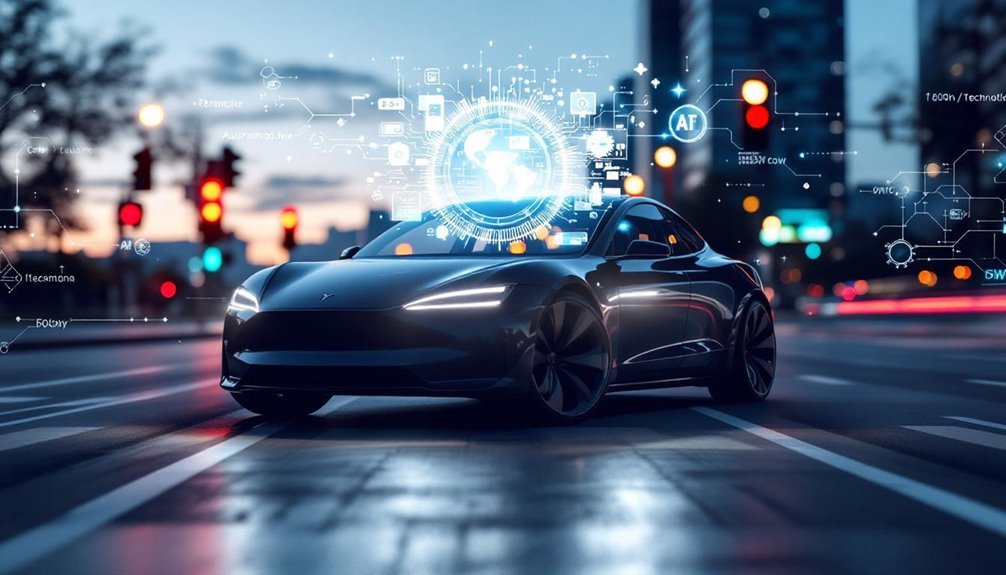
Tesla’s push toward fully autonomous robotaxi is gaining momentum, with the company targeting public rides in multiple U.S. cities by end of 2025. CEO Elon Musk has ambitious plans to roll out robotaxis across 8-10 metro areas, including Phoenix, with public service beginning in Austin on June 22, 2025. Musk has even projected autonomous ride-hailing in at least half the United States by year’s end, though this timeline remains aggressive.
The company’s robotaxis currently rely on camera-based Full Self-Driving technology without radar or LIDAR sensors, which helps reduce costs. However, the system’s current supercomputer needs approximately 100 times more power for full rollout. As Tesla’s fleet grows, computational demands scale accordingly. The company’s cost-reduction efforts have paid off—vehicle prices dropped from $84,000 seven years ago to below $35,000 by February 2025.
Currently, human safety drivers remain in the front passenger seat during all operations. Videos from early testing revealed traffic route-finding challenges and driving inconsistencies, prompting close scrutiny from federal highway safety regulators. Musk intends to remove these human drivers “in the next few months,” though he’s adopting a cautious “paranoid rollout” approach. He recognizes that even one accident could generate global headlines, potentially damaging the program’s credibility. According to Musk’s earnings call statement, Valley and Nevada areas have been specifically identified as part of the geographic scope for this rollout strategy. The Austin Cybercab pilot has not yet achieved operational success despite early testing efforts. Austin officials have pushed for more stringent regulation of autonomous vehicle operations in the city.
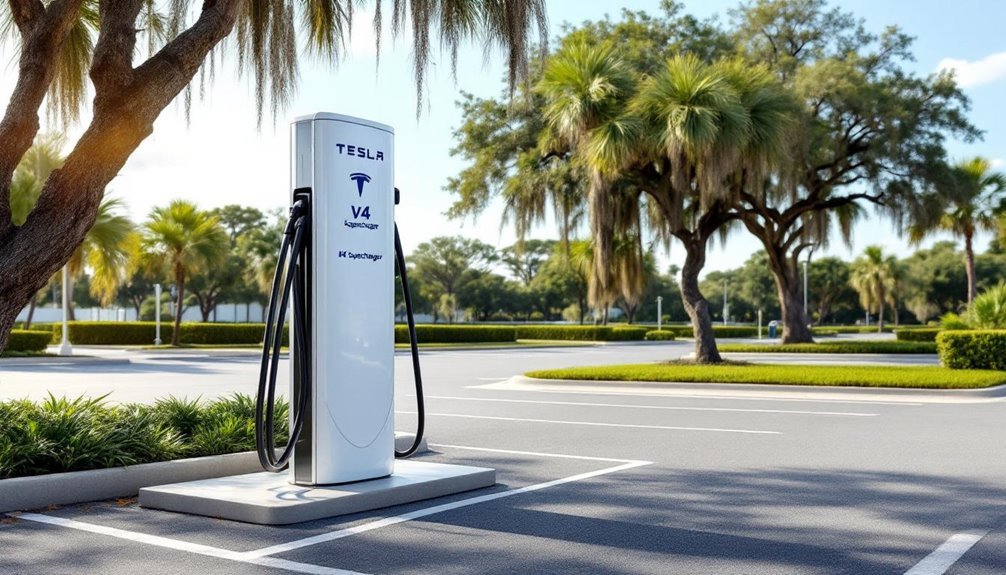
Tesla plans to gradually loosen driver oversight requirements as confidence in the technology increases. The service currently operates under “Full Self-Driving (Supervised),” which requires active driver attention. Regulatory approval varies by state, with Arizona granting testing permission and Texas maintaining forward-thinking autonomous vehicle rules. San Francisco Bay Area, Nevada, and Florida approval is expected to follow. Tesla’s existing Sentry Mode security system, which uses eight external cameras for surveillance, provides valuable infrastructure that could support autonomous vehicle monitoring and safety protocols.
The expansion strategy includes converting personal Teslas into rental robotaxis through an owner participation model. Tesla projects hundreds of thousands of vehicles on the road by 2026, with potential Cybercab manufacturing beginning that same year. Early projections suggest the technology could eventually be 10-100 times safer than human drivers within a decade. Despite the ambitious timeline, regulatory complexity and technical challenges remain significant obstacles to widespread rollout.