

Tesla ownership delivers impressive technology and lower operating costs, but demands serious upfront cash and patience for repairs. Owners enjoy over-the-air updates, regenerative braking, and charging that costs three to five times less than gas. The downsides? Higher insurance, potential $10,000+ battery replacements after warranty, and 16-27% range loss in cold weather. Safety ratings shine, yet infrastructure dependence creates charging anxiety. The complete depiction reveals why Tesla divides drivers so sharply. Additionally, potential buyers should consider Tesla roadside assistance pricing details, as this can impact the overall ownership experience. While the technology and features are appealing, the premium for service can add to the long-term costs. Ultimately, weighing these factors is crucial for anyone contemplating the switch to an electric Tesla vehicle.
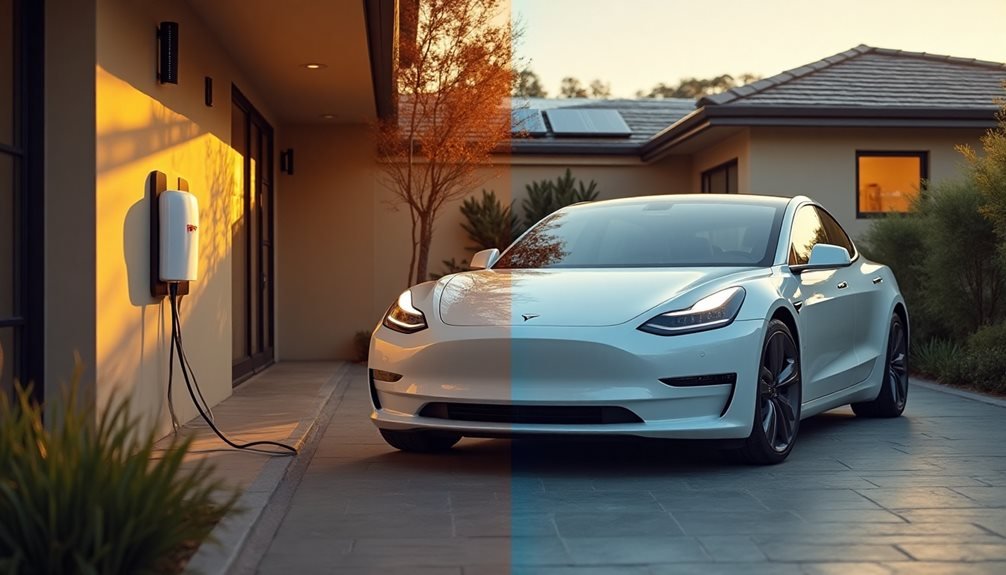
Tesla ownership is complicated. The company promises state-of-the-art technology and environmental salvation, but the reality involves trade-offs that aren’t always obvious upfront. Prospective buyers must weigh factors such as charging infrastructure, maintenance costs, and potential software updates that can affect vehicle performance. Additionally, it’s essential to research local incentives and environmental impact, as these can significantly influence the overall ownership experience. Ultimately, it’s crucial to understand what to consider when purchasing a Tesla to ensure it aligns with your lifestyle and expectations. Prospective buyers often grapple with decisions like the tesla awd vs rwd comparison, considering factors such as performance, handling in various weather conditions, and overall efficiency. Additionally, the charging infrastructure and potential maintenance issues can also influence the ownership experience. Ultimately, while the allure of driving a Tesla is strong, it’s essential to weigh these practical aspects before making a commitment.
The technology is genuinely impressive. Over-the-air software updates mean your car actually improves while sitting in your driveway. No dealership visits required. Regenerative braking reduces wear on brake components while recovering energy, and the low center of gravity makes these vehicles surprisingly stable.
The Supercharger network provides fast charging for road trips, assuming you don’t mind planning your route around Tesla’s infrastructure. The smartphone app lets you precondition the cabin and monitor charging status remotely.
Money-wise, the operational savings are real. Charging costs three to five times less than gasoline for equivalent performance. No oil changes, emissions checks, or transmission maintenance. Fewer mechanical parts means fewer headaches.
Battery warranties cover repairs for eight years or up to 150,000 miles, depending on the model. Some regions offer tax credits and rebates, though these vary wildly.
Safety ratings consistently rank high in crash tests. Advanced driver-assistance systems include lane-keeping assist and automatic emergency braking. The 360-degree camera coverage helps with parking, and collision warning systems add peace of mind. The minimalist interface gets frequent updates, though some find it overwhelming.
Environmental benefits include zero tailpipe emissions and reduced carbon footprint compared to gas-powered vehicles. Integration with renewable energy sources can further minimize ecological impact.
However, the financial reality stings. Higher upfront costs compared to equivalent gas vehicles. Rapid depreciation hits older models hard as new technology advances. Battery replacement after warranty expires costs over $10,000 for most models. Insurance premiums run higher in some regions due to expensive repair costs.
Infrastructure dependence creates limitations. Home charging requires 240V outlets. Supercharger fees add up for frequent travelers. Limited service centers in certain areas mean longer waits.
Software bugs occasionally surface in updates, and battery degradation reduces range over time. Cold weather can cause range loss of 16 to 27 percent in winter due to energy demands from heating systems. Recent dependability studies show Tesla’s reliability improving with the 2025 J.D. Power study revealing 209 problems per 100 vehicles, up from 252 in 2024.
Resale values lag behind luxury gas-powered competitors. Obsolescence risk looms as newer models emerge with better features, making older Teslas feel dated quickly. Interior materials show significant wear patterns within just six months of ownership, often deteriorating faster than comparable vehicles. Additional factors contributing to the rapid depreciation include the active secondary market for electric vehicles, which can impact resale prices significantly. A comprehensive tesla depreciation analysis reveals that early models, in particular, face steep declines in value compared to their combustion engine counterparts, as consumers often prioritize the latest technology. This trend highlights the importance of considering long-term ownership when investing in a Tesla.
Frequently Asked Questions
How Long Does It Take to Charge a Tesla at Home?
Tesla home charging depends on what outlet someone uses.
A regular 120V outlet? About 5 hours for 30 miles of range. That’s painfully slow.
A 240V outlet cuts it down to 2-3 hours for the same distance.
Tesla’s Wall Connector is fastest, adding 10-17 miles per hour.
Full overnight charging takes 5-12 hours on 240V. Most people just plug in overnight and wake up ready.
What Is the Average Lifespan of a Tesla Battery?
Tesla batteries typically last 300,000 to 500,000 miles according to Musk’s claims. Though real-world data shows they retain around 80% capacity after 200,000 miles. In addition, various studies suggest that temperature and charging habits can significantly influence performance and longevity. Therefore, understanding these factors provides essential tesla battery lifespan insights for potential buyers and current owners alike. As a result, regular maintenance and optimal charging practices can help maximize the lifespan of these innovative power sources.
Most owners see less than 1% capacity loss per 10,000 miles initially.
Degradation averages 2-3% annually.
The 8-year warranty covers 100,000-150,000 miles depending on model.
Not exactly forever, but pretty decent for expensive battery packs.
Are Tesla Repairs More Expensive Than Traditional Car Repairs?
Tesla repairs cost considerably more than traditional vehicles. The average Tesla repair runs $5,552 compared to $4,205 for gas cars. That’s a hefty $1,347 difference. Tesla’s battery design drives up costs, while other EVs use modular batteries that keep expenses reasonable.
Non-Tesla electric vehicles only cost $269 more to repair than gas cars. Higher repair bills mean pricier insurance premiums too.
Can I Take My Tesla to Any Mechanic for Service?
Tesla owners can’t just waltz into any old garage. The company mandates certification for technicians handling structural repairs and restricted parts.
Non-authorized mechanics lack training for Tesla-specific systems like batteries and drive units.
Using uncertified shops may void factory warranties for certain repairs.
However, GM partnered with Tesla in 2021, giving most Americans access to authorized service within 10 miles through dealership networks.
What Happens if I Run Out of Charge While Driving?
Running out of Tesla juice isn’t fun. The car warns drivers early with dashboard alerts, then slows performance to conserve power.
Eventually, it enters “turtle mode” – crawling at 15 mph like a wounded animal. Complete shutdown means game over.
The vehicle needs a jump-start for the 12V system, then towing to a charger. No gas station quick fix here.