
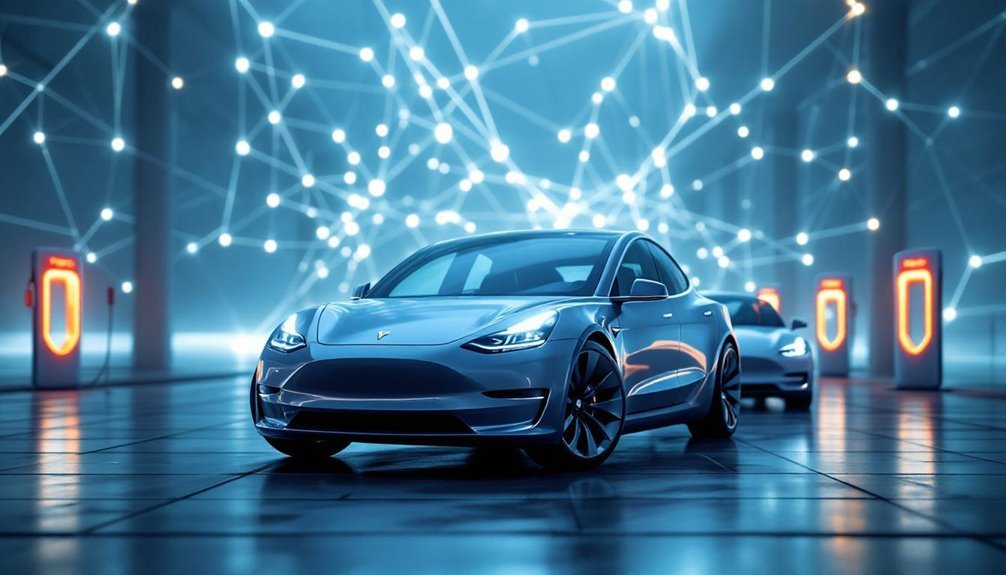
Tesla’s self-driving cars are coming to Arizona without anyone at the wheel. On November 19, 2025, Tesla received approval from Arizona’s Department of Transportation to operate robotaxis in the state. The company had submitted its application just six days earlier, completing the final requirement needed to launch the service.
Tesla received approval from Arizona’s Department of Transportation on November 19, 2025, to operate driverless robotaxis in the state.
Arizona becomes the third state to approve Tesla’s robotaxi operations, joining Texas and California. The approval process required Tesla to demonstrate that its vehicles meet all federal laws and state traffic regulations. Reviewers examined the company’s operational plans, safety protocols, and the technology powering the autonomous vehicles. Tesla also obtained a transportation network company permit, which is the same permit required for any commercial taxi service operating in Arizona. Tesla submitted a self-certification plan to test autonomous vehicles with safety drivers present during the Arizona deployment phase.
Tesla’s robotaxis use the company’s Full Self-Driving technology, which allows vehicles to steer through roads and make real-time decisions without human drivers. The current fleet consists mainly of modified Tesla Model Y vehicles.
Tesla’s CEO Elon Musk announced plans to deploy more than 1,000 vehicles across eight to ten cities by the end of 2025, with Phoenix as one of the targeted locations. Arizona’s favorable regulatory environment positions the state as an ideal testing and deployment ground for autonomous vehicle expansion.
The timeline for Arizona’s launch remains uncertain. Musk previously stated that the rollout depends on receiving various regulatory approvals, which Tesla now has in Arizona. Initial operations will likely focus on the Phoenix metro area and nearby cities like Scottsdale as Tesla maintains a controlled environment during early deployment.
Tesla has tested its robotaxis in other cities with varying safety approaches. In Austin, current operations require human safety drivers on certain routes. Musk described Tesla’s deployment strategy as “paranoid deployment,” emphasizing the company’s concern about maintaining safety standards, especially given media attention to autonomous vehicle accidents.
Looking ahead, Tesla plans to introduce the Cybercab, a fully autonomous vehicle without a steering wheel or pedals. Production is scheduled to begin in 2026. Before vehicles can operate in new areas, they require extensive mapping and localization data to function safely.
As Arizona welcomes driverless robotaxis, questions remain about how quickly Tesla will expand operations and whether the technology will prove reliable in real-world conditions across different environments and weather patterns. Tesla offers home delivery for customers over 220 miles from centers to address service accessibility challenges.