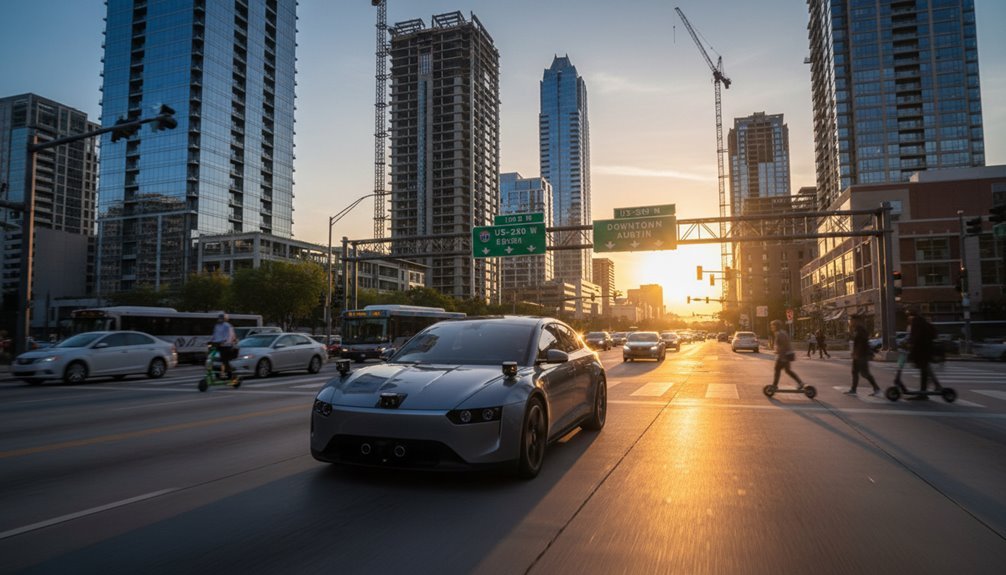
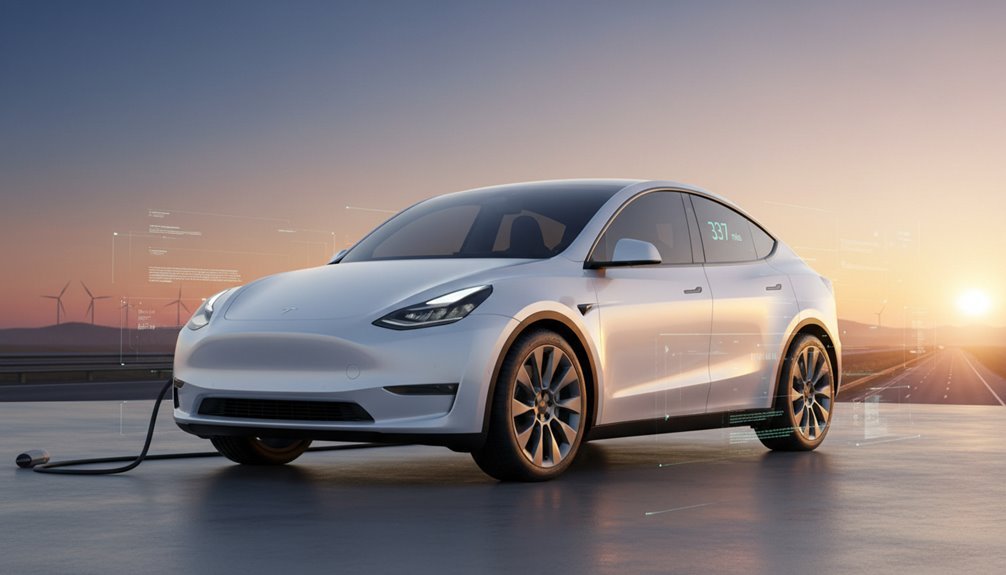
Tesla’s robotaxi experiment in Austin started small in June 2025 with just 10 vehicles and Tesla employees riding along as safety monitors. By September 2025, those monitors moved from passenger seats to driver seats. This shift showed the company was confident enough to let the autonomous system take more control.
Just three months later, in December 2025, Tesla began testing fully autonomous operation with no occupants onboard at all. The fleet had grown to approximately 25-30 vehicles by that point, and the company announced plans to double it to roughly 60 vehicles. The absence of safety monitors onboard is expected to increase scrutiny of the testing operations.
Tesla relies on a camera-based “vision-first” system powered by its own neural networks instead of using lidar technology like some competitors do. The company claims this approach scales better and modifies faster than other methods. However, independent validation of the technology remains needed, especially for complex urban driving situations.
Austin wasn’t chosen randomly. The city offers downtown congestion, construction-heavy roads, complex freeway frontage, and high pedestrian traffic—all challenging conditions for autonomous vehicles. Tesla also benefits from having local manufacturing support and engineering resources in Austin. These factors give the company a competitive edge against rivals like Waymo and Cruise. The Cybercab‘s minimalist interior design reflects Tesla’s commitment to purpose-built autonomous platforms.
Federal records document at least seven crashes involving Tesla’s test cars in Austin, though key details are redacted. The National Highway Traffic Safety Administration continues evaluating Tesla’s autonomous systems. The National Transportation Safety Board has urged clearer safety standards for companies operating autonomous vehicles. Texas law permits fully driverless service with basic insurance and minimal regulatory permits, creating a relatively permissive environment. The extensive testing builds on Tesla’s nine billion miles of real-world data collected from its existing fleet to refine autonomous driving capabilities.
Tesla’s next step involves the Cybercab, a steering wheel-free and pedal-free vehicle spotted on Austin’s public roads. Current federal regulations require manual controls and mirrors for public road implementation, so the Cybercab can’t fully operate autonomously yet.
Manufacturing is scheduled to begin in April 2026. Once production ramps up, the Cybercab is expected to join the existing Model Y robotaxi fleet. The company remains cautious about expansion, with CEO statements about being “paranoid” regarding accidents receiving worldwide attention.