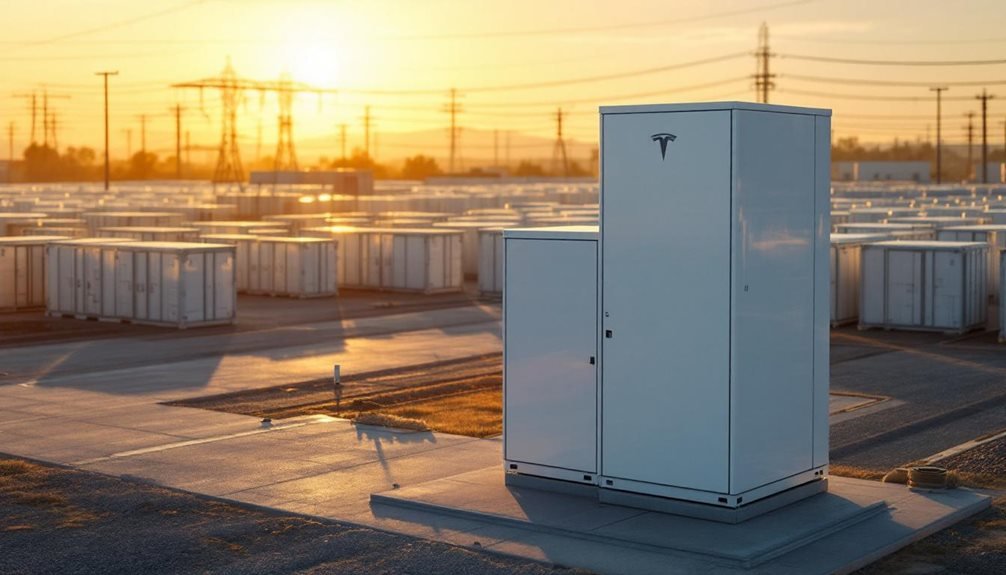

As Tesla looks to expand its energy storage business, the electric vehicle maker has signed a massive $4.3 billion contract with LG Energy Solution for batteries over the next three years. The deal focuses on LFP batteries for energy storage systems, not cars.
LGES will make the batteries in its U.S. plants in Michigan, Ohio, and Tennessee. Deliveries start in August 2027 and run through July 2030. The contract includes options for seven-year extensions. While LGES confirmed the deal’s details, it didn’t publicly name Tesla as the buyer.
This move shows Tesla’s shifting strategy. The company’s moving away from Chinese suppliers like CATL to avoid tariffs and political issues. Current BESS suppliers for Tesla also include EVE Energy and BYD, creating additional supply chain complexities. Through selecting LGES, Tesla gets batteries made in America, which helps dodge import taxes and qualifies for U.S. manufacturing incentives.
Tesla’s also building its own LFP battery factory in Nevada. Production there starts in late 2025. The LGES deal complements this plan and supports Tesla’s energy storage facilities in California and Texas. The batteries will specifically power Tesla’s Megapack and other stationary storage solutions designed for grid stabilization.
The timing makes sense. Energy storage demand is booming, driven by AI and data centers that need stable power. Meanwhile, electric vehicle sales have slowed after tax credits were cut. This deal lets Tesla focus on the faster-growing energy storage market while the EV business faces challenges.
LFP batteries work well for energy storage. They’re stable, cost-effective, and last longer than other types. They’re also gaining ground in shorter-range electric vehicles, reducing the industry’s need for expensive nickel-based batteries.
For LGES, this deal fills a big gap. With car companies ordering fewer batteries, the energy storage business helps keep factories busy. The contract represents about 25% of LGES’s 2024 sales.
The agreement gives both companies flexibility. They can adjust delivery volumes based on demand. If EV sales pick up, Tesla could potentially redirect some batteries to vehicles. If energy storage keeps booming, the batteries stay in that market.
This partnership strengthens Tesla’s position as a major energy storage supplier while giving it a hedge against uncertain EV demand. It’s a strategic move that addresses both current market conditions and future possibilities.