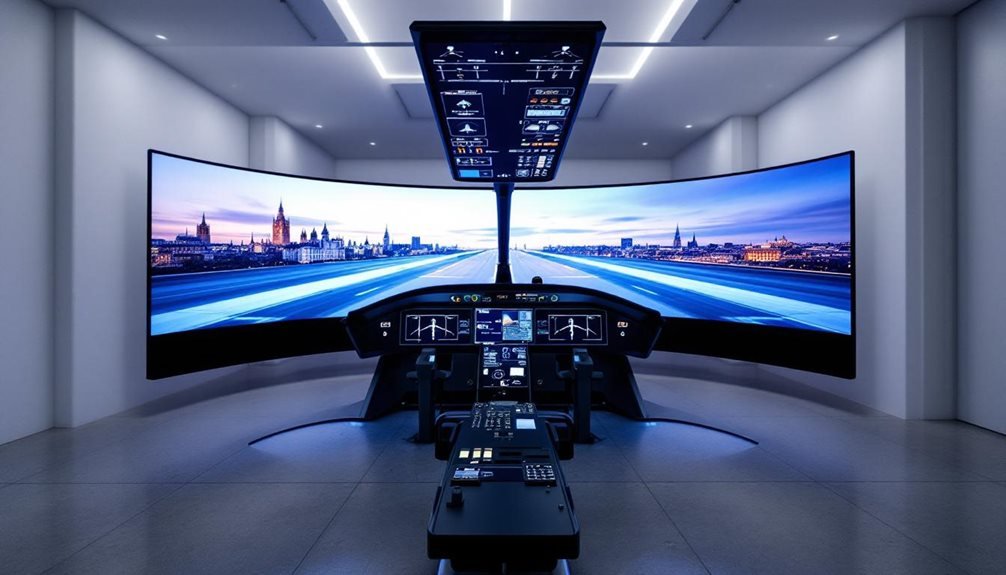
While the electric car company is known for unsettling the auto industry, Tesla is now shaking up how pilots train in the United Kingdom. The firm’s pushing advanced simulator technology at its Oxford base, challenging traditional methods that’ve dominated aviation training for decades.
Tesla’s move into pilot training comes at a time when the UK Civil Aviation Authority has been updating its regulations. The CAA recently implemented new rules in September and October 2025 covering pilot licensing and training organization requirements. These changes affect how aviation schools operate across Britain.
Recent CAA regulatory updates in late 2025 established new standards for pilot licensing and training organizations throughout the United Kingdom.
The company’s Oxford facility focuses on simulator-based instruction rather than conventional flight hours. This approach differs markedly from standard training programs that rely heavily on actual aircraft time. Tesla believes its technology can reduce costs while maintaining safety standards.
However, available regulatory documents from the CAA don’t specifically mention Tesla’s training operations. The search results only detail broader aviation safety amendments and licensing modifications that apply to all training organizations. No information confirms Tesla’s actual involvement in UK pilot training programs.
The absence of official documentation raises questions about the scope of Tesla’s aviation initiatives. The CAA’s recent regulatory updates address pilot licensing modifications and training organization standards, but they don’t reference any Tesla-specific approvals or partnerships.
Aviation training traditionally requires extensive real-world flight experience. Regulators carefully monitor how much simulator time can substitute for actual flying. The UK maintains strict standards for pilot certification, ensuring trainees meet international safety benchmarks. The CAA licensing simplification project becomes effective from 1st October 2025, introducing significant changes to pilot certification processes. The project was initiated in 2022 to simplify General Aviation flight crew licensing.
Tesla’s reputation for challenging established industries preceded this reported venture. The company changed electric vehicles from niche products into mainstream options. It’s also invested in battery technology, solar energy, and autonomous driving systems.
Yet without concrete evidence in regulatory filings or official announcements, Tesla’s pilot training activities remain unverified. The CAA’s 2025 regulatory changes don’t clarify whether Tesla operates an approved training organization at Oxford or elsewhere in Britain.
The aviation industry watches carefully when newcomers propose alternative training methods. Safety remains paramount, and regulators require substantial proof before approving major departures from established protocols.