
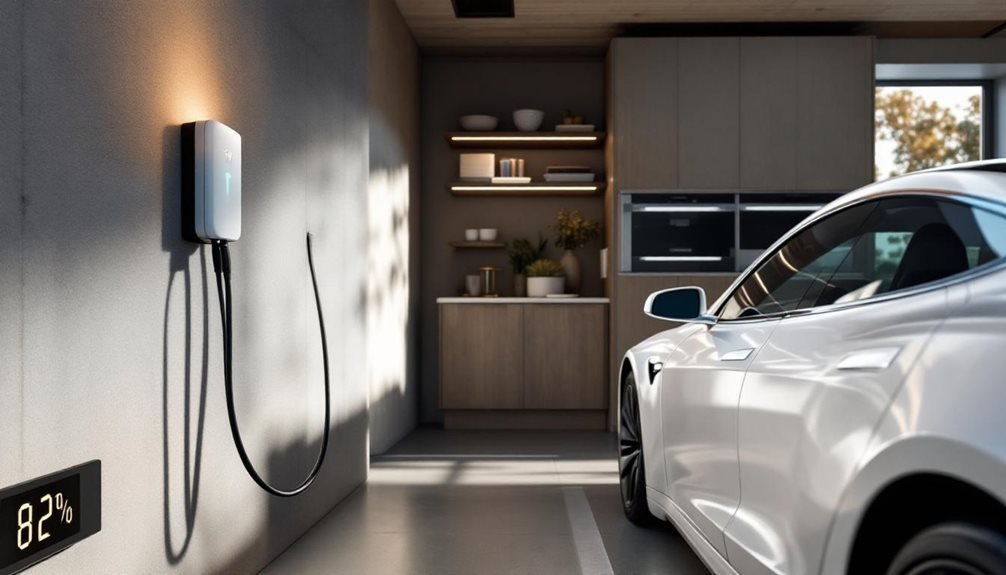
Most jurisdictions require electrical permits for Tesla charger installations, and licensed contractors typically handle the paperwork and inspections. Projects over $5,000 often need extra documentation, while installations exceeding 60A require emergency shut-off switches. Skipping permits isn’t just risky—it can void insurance coverage, complicate property sales, and result in costly re-work if inspections fail. Permit fees and requirements vary wildly by location, because local governments love their bureaucracy. Comprehension of these requirements upfront prevents expensive surprises later.
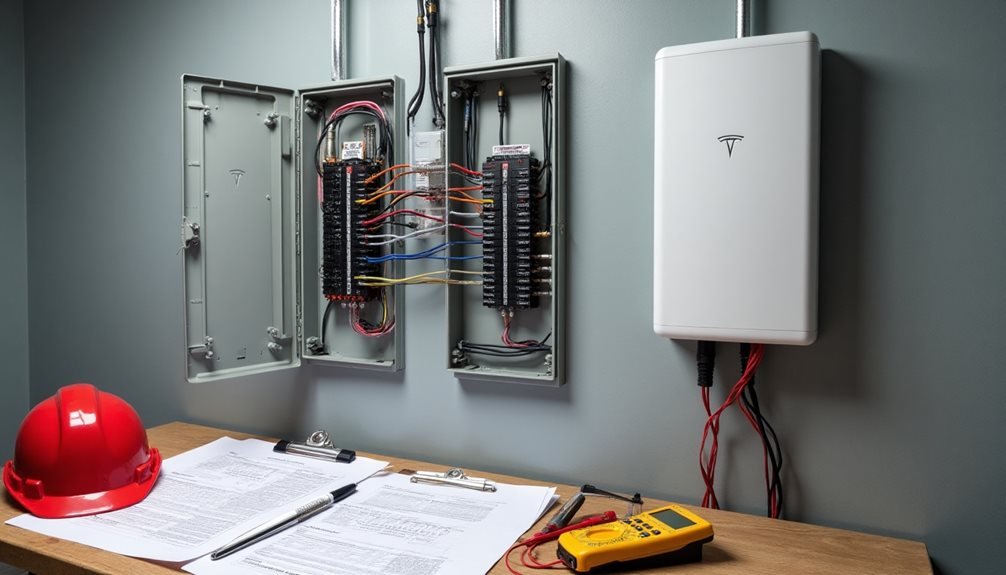
Installing a Tesla charger isn’t just about plugging it in and calling it a day. The reality? You need permits. Lots of them, actually. Most jurisdictions require electrical permits for new circuits, and skipping this step is like playing Russian roulette with your insurance coverage.
Installing a Tesla charger? Skip the permits and you’re basically gambling with your insurance coverage.
Licensed contractors must handle the installation and obtain the necessary permits. This isn’t some bureaucratic power trip—it’s about liability. When contractors pull permits, they’re taking responsibility for their work. If something goes wrong, guess who’s on the hook? Not you.
The process starts with submitting signed, sealed plans to local authorities. Some jurisdictions offer digital submission, which is convenient since nobody wants to stand in line at city hall. Projects exceeding $5,000 may require additional documentation because apparently paperwork multiplies with dollar amounts. Engineering approval might be needed depending on your setup, especially for those fancy 480V Level III chargers.
Inspections are mandatory post-installation. These aren’t suggestions—they’re requirements. Inspectors verify compliance with NEC standards and local building codes. Multiple inspection types exist, and yes, you might deal with different agencies for service upgrades. Failed inspections mean re-inspections, which means more waiting.
Jurisdictional variations make this process particularly fun. Requirements differ by city, state, and project type. Fees vary wildly based on local regulations. Some areas offer expedited permitting for EV charging systems, while others seem determined to make the process as painful as possible.
Commercial and multi-family projects face stricter documentation requirements because complexity breeds bureaucracy. Proper installation also requires completing the commissioning process through the Tesla app to ensure your Wall Connector operates correctly and registers with the appropriate circuit breaker ratings.
Express permits are available in select jurisdictions for simplified approval. Notice of Commencement is required for constructions over specific values. Service upgrades trigger additional utility inspections, and separate meter installations are needed for EV time-of-use rates. For installations requiring capacity over 60A, an emergency shut-off switch is needed as a mandatory safety component.
The insurance angle matters too. Proper permits document compliance for homeowner insurance claims. Non-compliant installations increase property insurance risks and may void coverage entirely. Valid permits prove professional installation during home sales, while sloppy electrical work can lead to denied claims or lawsuits. All electrical work should be performed by qualified personnel who adhere to safety standards to ensure proper installation and code compliance.
Research local building department rules before starting—penalties aren’t fun.
Frequently Asked Questions
How Long Does It Take to Get a Tesla Charger Permit Approved?
Tesla charger permit approval times vary wildly depending on location and installation type. Residential permits typically take 2-4 weeks, including inspections.
Commercial installations? That’s a different beast entirely – expect 4-8 weeks or longer.
Some California areas average three months despite supposed five-day processing.
HOA approvals can drag on for nine months.
Complete applications help, but inspector availability and local workloads ultimately dictate timing.
Can I Install a Tesla Charger Without a Permit?
Installing without a permit is technically possible, but it’s a risky gamble. Hardwired systems almost always require permits, while plug-in chargers using existing outlets might slide by.
The real problem? Getting caught means fines, insurance headaches, and potentially ripping everything out. Fire hazards increase with improper installations. Most jurisdictions mandate permits for 240-volt systems anyway.
What Happens if I Install My Charger Before Getting the Permit?
Installing a charger before getting permits creates a messy situation. Authorities can slap property owners with cease-work orders, halting everything mid-project. Fines pile up fast.
Utility companies often refuse to activate unauthorized systems, leaving owners with expensive paperwork weights. Insurance claims get denied if unpermitted electrical work causes damage.
Retrospective permits cost more and involve penalties. Code violations during inspections mean costly rework. It’s basically doing things backward and paying extra for the privilege.
Do I Need Separate Permits for Multiple Tesla Chargers at Home?
Multiple Tesla chargers typically need separate permits if installed at different times. However, installing them simultaneously often allows one permit to cover the combined electrical work.
The real kicker? Most homes need panel upgrades to handle two chargers drawing 120+ amps total. Tesla’s load-sharing technology helps by letting up to four chargers share a 100-amp circuit, potentially reducing permit headaches.
Can Renters Get Permits for Tesla Charger Installation?
Renters can technically apply for permits, but good luck getting approval without landlord consent. Most jurisdictions require property owner authorization before issuing electrical permits.
The renter needs written permission, sometimes a dedicated agreement about charger ownership and removal.
Then there’s the usual permit dance – circuit diagrams, electrician certifications, inspections.
Bottom line: landlord approval comes first, permit second.