The battery revolution has a new champion. JB Straubel, who helped start Tesla and served as its chief technology officer, is turning old electric vehicle batteries into power sources for artificial intelligence data centers through his company Redwood Materials.
Straubel brings serious credentials to this mission. He earned both bachelor’s and graduate degrees in energy engineering from Stanford University. At Tesla, he led the development of battery technology, the Supercharger network, and the Gigafactory. He holds more than 30 patents for battery systems and electric vehicle innovations.
Stanford-educated engineer with 30+ patents led Tesla’s battery technology and Gigafactory development
In 2017, Straubel founded Redwood Materials to tackle a growing problem. As more electric vehicles hit the roads, more batteries will eventually need disposal. His company recycles these lithium-ion batteries to extract useful materials like cobalt, nickel, and lithium. The recycling process recovers 95 to 98 percent of these materials through chemical and mechanical methods.
The company doesn’t just recycle batteries. It’s creating a circular economy where old battery materials become new ones. Redwood Materials has partnered with major companies including Amazon, Panasonic, and Toyota. These partnerships help close the loop between old batteries and new production. The company’s approach reflects Straubel’s vision of sustainability and innovative waste management practices that he has advocated throughout his career.
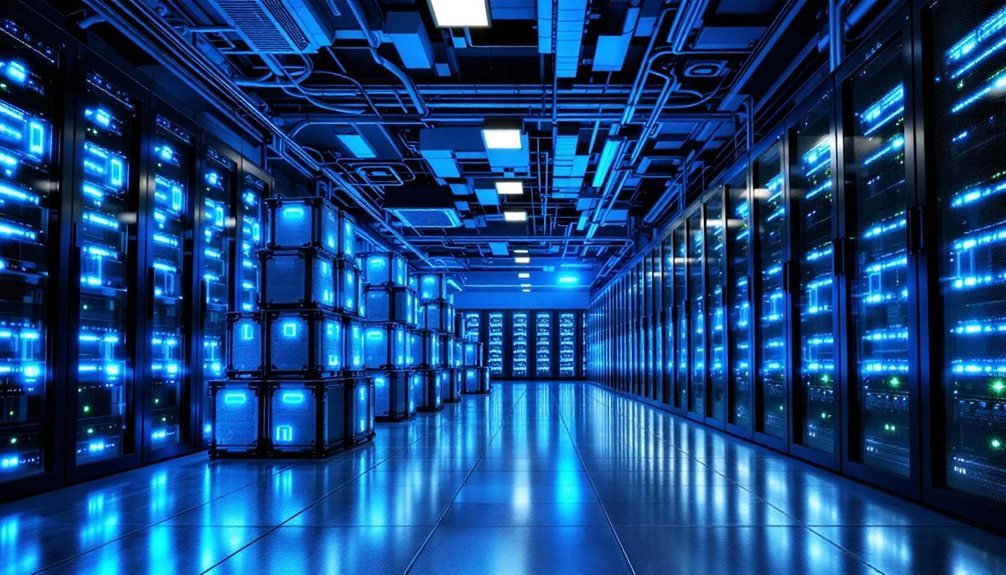
Now Straubel’s addressing another challenge. AI data centers need massive amounts of reliable power. These facilities run complex calculations around the clock and can’t afford power interruptions. Recycled batteries provide an ideal solution. They store renewable energy and deliver it consistently, even when the sun isn’t shining or wind isn’t blowing.
This approach offers multiple benefits. It reduces the carbon footprint of data centers by reusing existing materials instead of mining new ones. It cuts costs for tech companies evolving to renewable energy. It also keeps toxic battery materials out of landfills. Tesla’s Powerwall systems have shown how battery storage can provide reliable backup power for years, demonstrating the viability of similar large-scale applications.
Redwood Materials continues expanding across North America and Asia. The company’s working with data center operators to develop energy storage systems using second-life batteries. As AI computing demands grow, these recycled power sources could become essential infrastructure.
Straubel’s vision connects two booming industries. His pioneering work has earned him recognition as Innovator #1 Under 35 by MIT Technology Review and Engineer of the Year by DesignNews. By giving EV batteries a second life in data centers, he’s solving environmental and energy challenges simultaneously.