
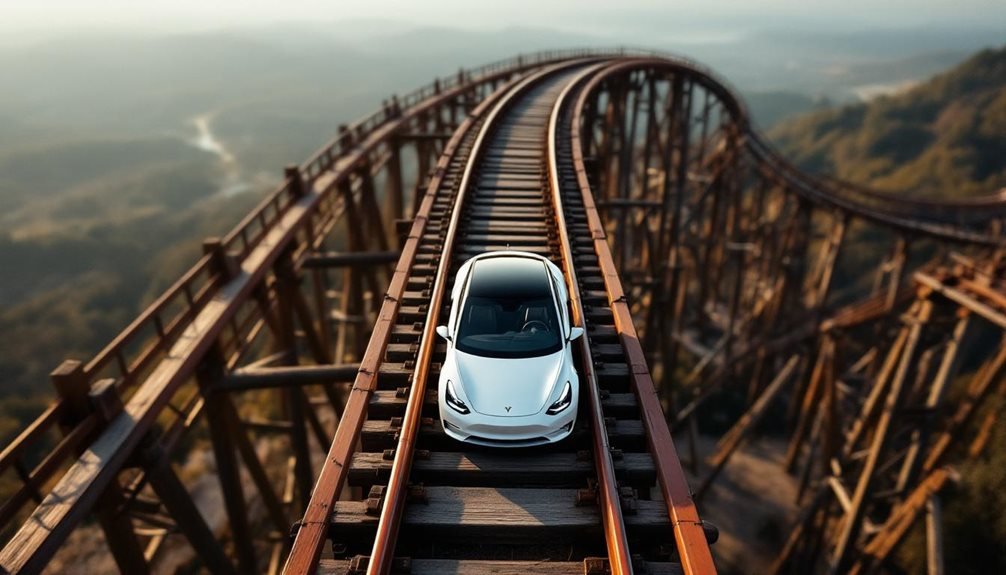
Tesla’s planning to launch its most affordable electric vehicles yet from its Texas factory in 2025. The company’s breaking away from traditional battery supply chains by manufacturing key components domestically, marking a significant shift in the electric vehicle industry. This new approach aims to streamline production and reduce costs, making electric vehicles more accessible to a broader audience. Additionally, the anticipated Tesla Model 3+ battery upgrade is expected to enhance vehicle range and performance, further driving consumer interest in the brand. As Tesla continues to innovate, it positions itself at the forefront of the electric vehicle market, reshaping expectations for affordability and sustainability.
The automaker’s Texas Gigafactory will serve as the primary production hub for a new compact EV codenamed “Redwood.” This vehicle could start around $35,000 and might also work as a robotaxi. Tesla’s studied Honda Civic’s efficient design to cut costs while maintaining quality. The company is targeting a price point around $25,000 to compete in the mass-market segment.
Production timelines show Tesla’s moving quickly. The company expects to complete first builds by June 2025. Testing will happen in the second quarter, followed by limited production in the third quarter. Public reservations will open in late 2025, with mass production starting in early 2026.
Tesla’s using robotic automation throughout the Texas facility to speed up manufacturing and reduce costs. The company’s leveraging existing Model 3 and Model Y production lines for new affordable variants. This strategy helps avoid expensive new battery platform development. Additionally, the Tesla Gigafactory in Texas is designed to optimize efficiency by integrating advanced robotics at key stages of the production process. This approach not only enhances output but also allows for quicker adaptations to market demands. As a result, Tesla is well-positioned to maintain its competitive edge in the growing electric vehicle market.
The Texas factory will supply North America first, but Tesla’s already planning expansion. A Mexico facility will target South American markets. The company’s also preparing right-hand drive components for exports to the UK, Japan, and Australia. Another international factory location remains undecided.
Tesla’s new vehicles will share design framework between passenger cars and autonomous taxis. The company’s focusing on simplified designs with fewer features and lighter materials. This approach helps achieve lower prices without sacrificing Tesla’s technology advantages. The Model 2 will utilize Tesla’s unboxed production method, which reduces production line length by over 40% through parallel assembly of modular components.
Market analysts expect high demand for these affordable models, especially in price-sensitive regions. Tesla’s long-term goal remains ambitious – reaching 20 million vehicles annually. The company’s centralizing research and development at the Texas facility, making it both a production and innovation hub. As Tesla ramps up production, market observers will closely monitor how the company navigates its pricing strategy amidst rising production costs. This has led many to seek clarity on tesla price increases explained, focusing on the factors that influence price adjustments. The company’s ability to balance affordability with cutting-edge technology will be crucial in maintaining its competitive edge in the evolving automotive landscape. This strategy is part of Tesla’s evolving business model, aimed at enhancing efficiency and reducing costs. By leveraging advanced manufacturing techniques and sustainable energy solutions, the company seeks to solidify its market dominance. As production scales up, Tesla also plans to expand its global footprint, further catering to the diverse needs of consumers around the world.
Potential regulatory changes in Washington could affect pricing after 2025. Tesla’s encouraging customers to place reservations in late 2025 to lock in savings incentives. Despite some delivery delays pushing the original June target to Q3 2025, the company remains committed to its aggressive timeline for bringing affordable electric vehicles to market.