
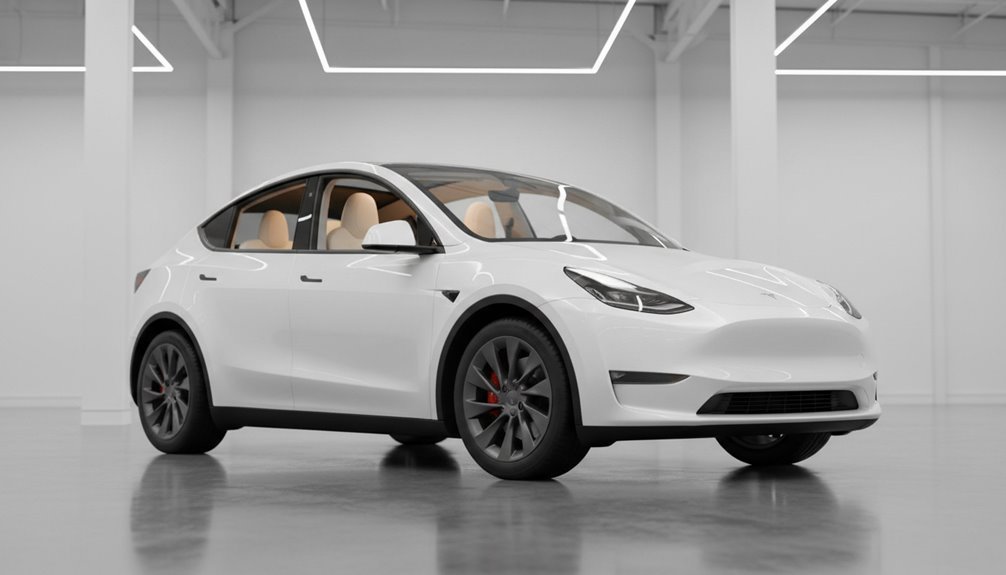
Tesla plans to double the number of robotaxis it’s operating in Austin, Texas, even though the service has faced serious complaints since launching in June 2025. The company announced the expansion despite documented operational failures and ongoing safety investigations into its autonomous driving technology.
Tesla plans to double its Austin robotaxi fleet despite documented safety failures and ongoing NHTSA investigations into its autonomous driving technology.
The Austin robotaxi service began operating in late June while the National Highway Traffic Safety Administration was actively investigating Tesla’s Full Self-Driving system. Videos from early operations showed multiple safety problems. Robotaxis drove on the wrong side of roads, entered incorrect turning lanes, and suddenly braked without reason.
Passengers reported being dropped off in the middle of busy intersections and multi-lane roads. Some vehicles also drove over curbs during the first days of service. Tesla has indicated that interested individuals can sign up for updates about the robotaxi service’s expansion and future rollout in additional areas.
Safety advocates have expressed serious concerns about the rollout. They’ve criticized Tesla for effectively using Austin residents as “crash test dummies” in real-world testing of unproven technology. Critics say the software contains “basic safety defects” that should’ve been fixed before public rollout. The NHTSA deadline of June 19 required Tesla to address federal questions about crash reporting and emergency protocols. Human safety supervisors and remote drivers were assigned to each vehicle as mitigations for operational deficiencies. Major automakers have simultaneously called for NHTSA to ease autonomous vehicle regulations to accelerate deployment without human controls.
Reports also indicate the Full Self-Driving software fails to consistently stop for school buses and struggles to detect pedestrian hazards. The robotaxis regularly receive software updates that are designed to improve vehicle performance and safety features through Tesla’s over-the-air update system.
Tesla hasn’t been transparent about its Austin operations. In April 2025, the company formally objected when Reuters requested communications between Tesla and Austin officials about the robotaxi plans. Tesla claimed releasing these documents would reveal sensitive “deployment procedure, process, status and strategy” and cause “irreparable harm” to its competitive position. Texas law passed in 2017 prevents Austin from regulating robotaxis, limiting the city’s ability to enforce safety standards independently.
The Texas Attorney General’s office is reviewing whether Tesla should keep these communications confidential. Reuters has argued that public safety concerns outweigh Tesla’s proprietary interests.
News outlets including Jalopnik characterized the initial rollout as “less-than-stellar.” Social media platforms circulated numerous videos showing the robotaxis making dangerous driving errors. Local residents expressed significant safety concerns about having more autonomous vehicles on their streets.
Despite these challenges, Tesla’s decision to expand its Austin fleet suggests the company remains confident in its technology’s future. The announcement comes as the company continues working through regulatory obstacles and safety criticisms surrounding its autonomous driving capabilities.