
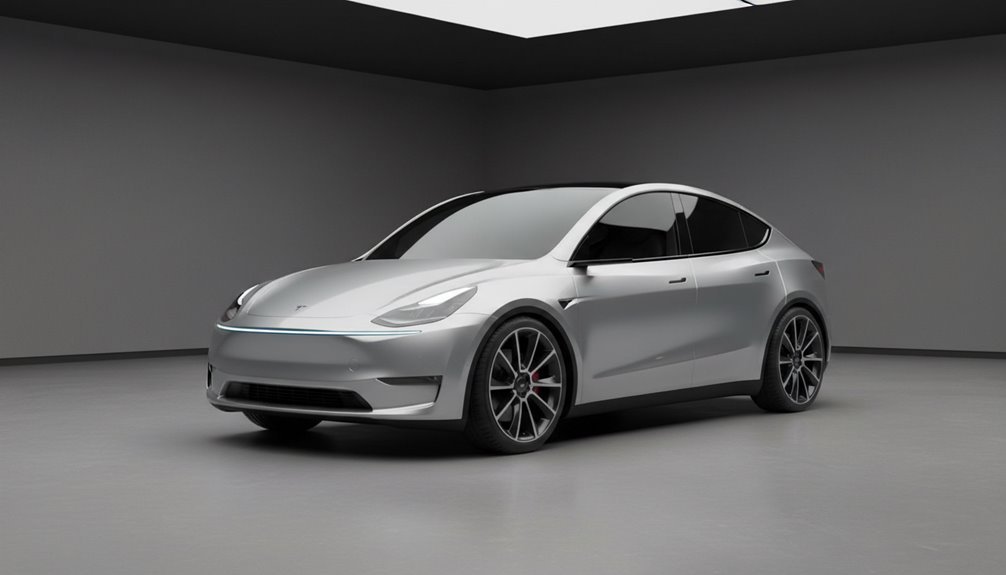
A supply crunch is pushing Tesla’s delivery timelines deep into 2026 for its most popular models in China. The Model 3 Performance and six-seat Model Y L now face wait times extending to February 2026. Meanwhile, all other Model Y variants are fully booked through 2025, with new orders scheduled for January or February 2026.
Tesla’s Shanghai factory is running at maximum capacity. The facility can produce up to 950,000 electric vehicles annually and accounts for roughly 40 percent of the company’s global output. Despite this massive production capability, current demand exceeds what the factory can make. Most vehicles produced there stay in China’s domestic market.
Tesla’s Shanghai factory produces 950,000 vehicles annually, representing 40% of global output, yet demand still exceeds supply.
Lower-priced models tell a different story. Three standard Model 3 configurations, priced between 235,500 and 285,500 yuan, still maintain their original 4-to-6 week delivery timelines. These vehicles remain in stock for immediate purchase. The extended delays primarily affect premium options and the popular Model Y crossover. The highest-priced Model 3 Performance variant starts at RMB 339,500, significantly above the entry-level options.
Several factors are driving this demand surge. Tesla’s expanding Supercharger network makes ownership more appealing. The company’s Full Self-Driving capability continues attracting customers interested in advanced technology. Reliable charging infrastructure remains a top purchasing consideration for Chinese buyers. Brand loyalty and consumer confidence in Tesla’s technology offerings continue to strengthen the company’s competitive position despite market challenges. This momentum aligns with new energy vehicle sales in China increasing by 20% year-on-year in November, demonstrating broader market tailwinds beyond Tesla alone.
China’s changing tax policy is also influencing buying patterns. New energy vehicle purchase tax incentives are scheduled to scale back in 2026. Buyers who receive deliveries next year will face higher tax costs. Tesla’s been encouraging customers to buy in-stock vehicles before year’s end to take advantage of current tax benefits expiring with 2025.
Sales numbers reflect this demand. Tesla’s China operations shipped 86,700 vehicles in November, marking a 40.98 percent jump from October’s 61,497 units. This represents November’s second-highest monthly total for the year and shows a 9.95 percent annual increase.
Competition isn’t slowing down though. The Model Y ranks among China’s top five best-selling electric vehicles but trails budget-friendly competitors like BYD’s Seagull and Wuling’s Hongguang Mini EV.
BYD recently reported its third consecutive monthly sales decline, while newer competitors like Geely and Xiaomi continue gaining market share through popular models.