
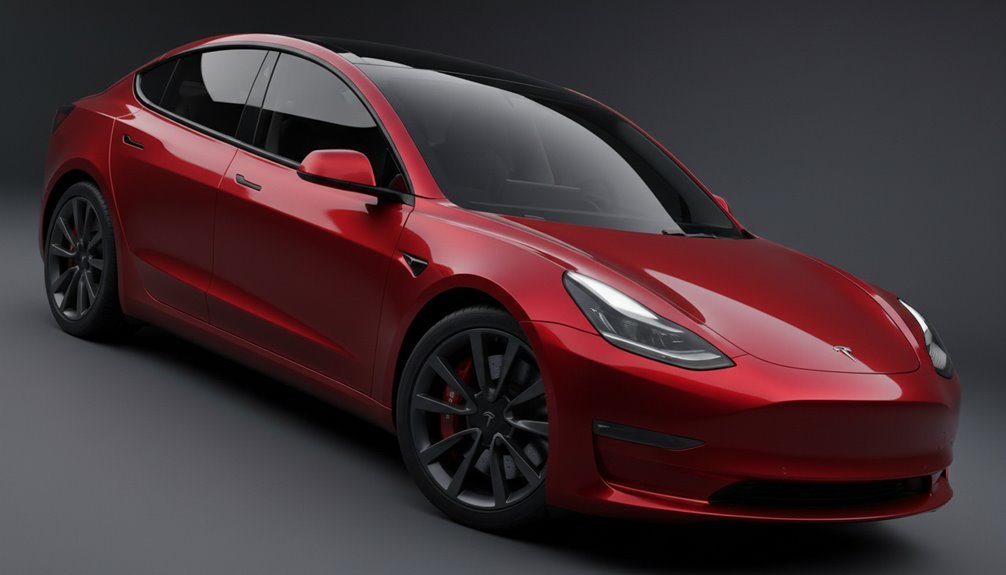
While California regulators work on new robotaxi rules, three major companies are clashing over how self-driving cars should be regulated. The California Public Utilities Commission drafted new rules for 2025 that’d let Tesla, Waymo, and Uber participate in ride-hailing services. But the companies can’t agree on what counts as truly autonomous versus driver-assist technology.
Waymo’s pushing for stricter rules. The company wants all driver-assist vehicles to report data quarterly, including mileage, trip times, and incidents. Waymo argues that consistent reporting across all self-driving services is necessary for safety. Right now, only certified autonomous operators like Waymo have to report incidents. Tesla’s California ride-hailing service doesn’t face those same requirements.
Tesla disagrees strongly. The company says its Full Self-Driving system is completely different from true robotaxis because it requires human supervision. Tesla warns that adding reporting requirements would confuse customers about what the technology can actually do. The company also argues that treating driver-assist cars like robotaxis would create unnecessary compliance problems. Tesla’s system functions as a Level 2 system requiring constant driver supervision, distinguishing it from fully autonomous vehicles. In comparison, Waymo operates over 100 vehicles in active service, demonstrating the scale difference between established autonomous fleets and newer driver-assist programs. Additionally, a human safety monitor is required in every Tesla Robotaxi during operations. Approximately 2,000 Waymo robotaxis are currently under investigation for compliance with traffic safety laws.
Uber’s taking a middle position. The company suggested that California’s Department of Motor Vehicles create a formal definition for what counts as an “autonomous vehicle.” Uber cautions against treating driver-assist technology the same as robotaxis. The company supports Waymo’s robotaxi services through its app but wants clear distinctions between different types of self-driving systems.
The technology differences are significant. Waymo vehicles use multiple sensors, including five lidar units, six radars, and twenty-nine cameras. Tesla’s Robotaxis rely only on cameras—eight external ones—and use neural networks instead of detailed maps. Waymo’s sensor redundancy approach enables data cross-checking that enhances safety verification.
During testing, Waymo’s Austin service showed strong safety records. Tesla’s test vehicles needed remote assistance during several incidents, including parking lot failures and route errors.
These disagreements matter for consumers and safety. How regulators classify and oversee these vehicles affects what information customers get and how safe the services actually are. The outcome of this regulatory battle could shape the future of autonomous driving across California and potentially nationwide.