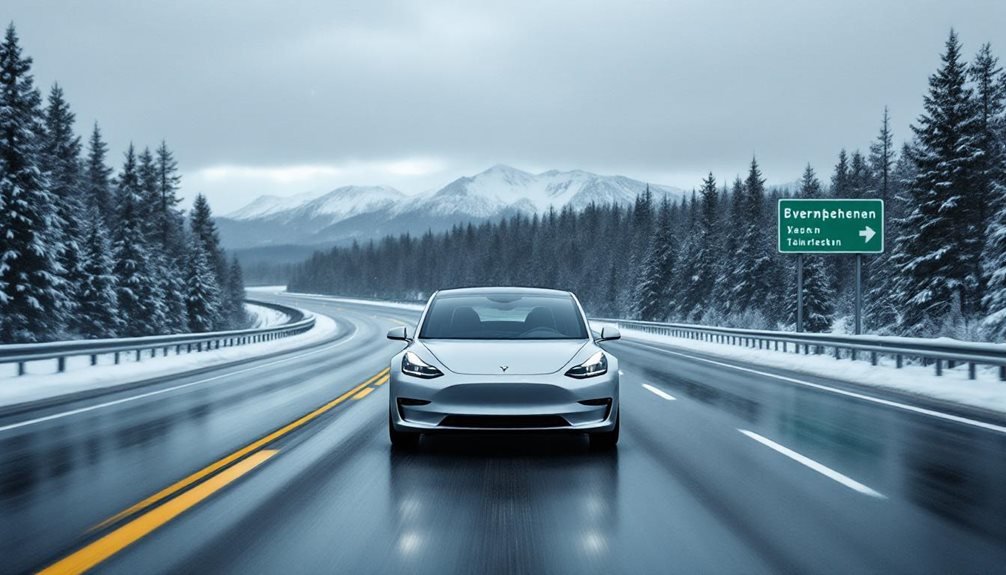

While Tesla’s Full Self-Driving technology won’t be cruising through Stockholm’s streets anytime soon, the electric vehicle maker has received permission to test the system on Sweden’s highways. The Swedish Road Administration, known as Trafikverket, granted Tesla official approval to trial its FSD system on state highways and expressways throughout the country.
This marks the first time any company has gotten regulatory approval for FSD testing in the Scandinavian region. The authorization covers all state-managed highways and the national expressway network, including tunnel systems and controlled-access motorways. However, urban streets and municipal roads weren’t included in the permitted zones.
Tesla becomes the first company authorized to test Full Self-Driving technology on Scandinavian highways, though city streets remain off-limits.
The approval came with strict conditions. Tesla must maintain human supervision during all testing phases, as the FSD system is classified as Level 2 under SAE standards. This means a driver needs to stay alert and ready to take control at any moment. The company also faces mandatory vehicle tracking requirements and scheduled safety audits.
Data handling presents another major requirement. Tesla’s sensor systems constantly collect information, and the company must follow GDPR rules for storing and processing this data. These European privacy laws are much stricter than regulations in other markets where Tesla operates.
Despite getting highway approval, Tesla hit a roadblock in Stockholm. On June 19, 2025, Trafikverket banned FSD operations within the city limits. The prohibition came after authorities documented multiple near-miss incidents during city driving and found Tesla hadn’t completed the required Level 3+ certification process.
The ban also cited concerns about GDPR compliance and missing municipal permit documentation. Complex urban traffic scenarios were deemed too risky without proper certification. The restriction remains in place indefinitely until Tesla can demonstrate compliance with safety and regulatory requirements.
The Swedish situation reflects broader challenges Tesla faces expanding FSD across Europe. Each country maintains its own certification requirements, and data management protocols must align with EU standards. The EU Commission is working to unify AV regulations under UNECE WP.29 guidelines to streamline cross-border approvals. While highway testing continues, urban restrictions have complicated regional rollout plans and increased regulatory scrutiny throughout European markets. Three Tesla vehicles have been designated for the testing phase in Sweden.