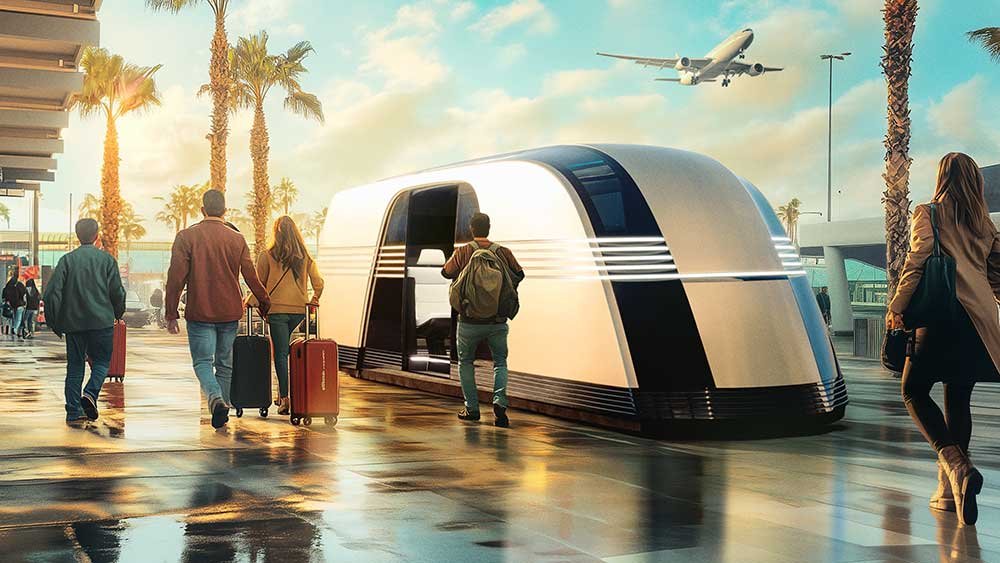
Tesla’s push into self-driving taxis is accelerating. The company’s Giga Texas facility is now preparing for Cybercab manufacturing, with Q2 2026 set as the production start date. Elon Musk confirmed he’s confident Tesla can reach volume production that year. This represents the most specific timeline the company’s ever given for the vehicle.
The Cybercab itself is unlike anything on the road today. It’s a two-seat vehicle with no steering wheel and no pedals. Every part of its design focuses on autonomous driving rather than human control. Tesla’s been testing multiple prototypes around the Giga Texas campus. Engineers’ve also performed wind tunnel and crash testing at the facility. The company’s even designed distinct body parts that differ from the Cybertruck and Model Y. Musk has targeted annual production of at least 2 million units, demonstrating the scale of Tesla’s ambitions for the vehicle. During development stages, Cybercabs have been equipped with steering wheels and pedals for testing purposes on public roads.
Tesla’s already operating a robotaxi fleet in Austin using modified Model Y vehicles. The service area’s grown to 245 square miles, which is 12 times larger than when it started. The initial fleet had between 10 and 20 vehicles. In late August, Tesla increased the fleet by 50 percent. Despite the expansion, users report it’s getting harder to book rides. Safety monitors still ride along in some areas depending on state rules.
The Cybercab promises lower costs. Tesla estimates it’ll cost 25 to 30 cents per mile to operate, compared to 50 cents for the current fleet. This could make robotaxis much more affordable for riders.
Tesla’s also preparing its workforce for this expansion. The company posted at least 30 new positions specifically for Cybercab production. These jobs focus on engineering and technician roles at Giga Texas. The hiring aligns with the Q2 2026 production timeline.
Manufacturing the Cybercab will use Tesla’s new “unboxed” process. Sections of the vehicle get built separately, then combined during final assembly. The company recently received a U.S. patent for this specialized manufacturing approach. Production line development is already visible at Giga Texas.
Tesla’s robotaxi operations have logged over 6 billion miles using its Full Self-Driving system. The company plans to remove safety monitors from vehicles by the end of 2025 as the system becomes more reliable.