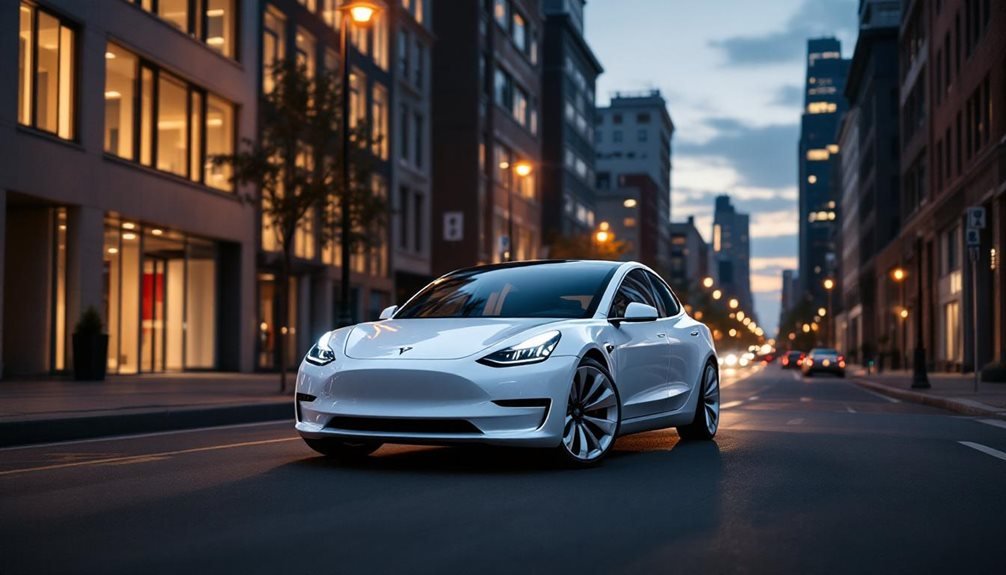

As Tesla pushes forward with its robotaxi ambitions, the company’s hiring spree for operators across multiple U.S. cities reveals the complex reality behind autonomous vehicle implementation. Recent job postings show Tesla’s actively recruiting operators in Brooklyn, where workers earn about $25 per hour to monitor vehicles and collect performance data.
The expansion plan targets major cities including Houston, Dallas, San Antonio, Tampa, Clermont, Miami, Brooklyn, Tempe, and Henderson. These operators don’t just sit behind the wheel. They’re responsible for safety oversight, documenting incidents, and maintaining vehicles. Their work helps Tesla improve its AI systems through real-world data collection.
Tesla’s approach varies by location due to different state regulations. In California, the company needs special permits for driverless operations. The Bay Area service uses safety drivers and operates within an 80-mile geofenced zone. Austin’s robotaxis run without drivers but still have safety operators monitoring rides remotely. New York City will use a supervised model, with operators staying in the driver’s seat. The company’s camera-based systems face particular scrutiny from regulators who compare them to competitors using lidar sensors.
Tesla adapts robotaxi operations to meet each state’s unique regulatory requirements and safety standards.
The rollout hasn’t been smooth everywhere. Texas tests face criticism over unpredictable driving behavior. In New York, unions oppose the service, creating political challenges. The company must maneuver state-specific safety laws and file permit applications in places like Arizona.
Despite obstacles, CEO Elon Musk aims for robotaxi coverage in half the U.S. by the end of 2025. The service promises new revenue opportunities for Tesla owners who can rent out their vehicles through the Robotaxi network. This puts Tesla in direct competition with ride-sharing giants Uber and Lyft. The initiative also aims to reduce traffic congestion by optimizing vehicle utilization through shared rides across urban areas.
The hiring patterns suggest Tesla’s taking a careful, phased approach. The company hires local workers before launching services in each city. It focuses on high-demand, densely populated areas first. Fleet management systems coordinate vehicles while operators guarantee compliance with traffic regulations.
As more cities see Tesla job postings for operator positions, residents might wonder if their area’s next. The combination of human oversight and autonomous technology shows that even advanced self-driving systems still need human backup in complex urban environments.