
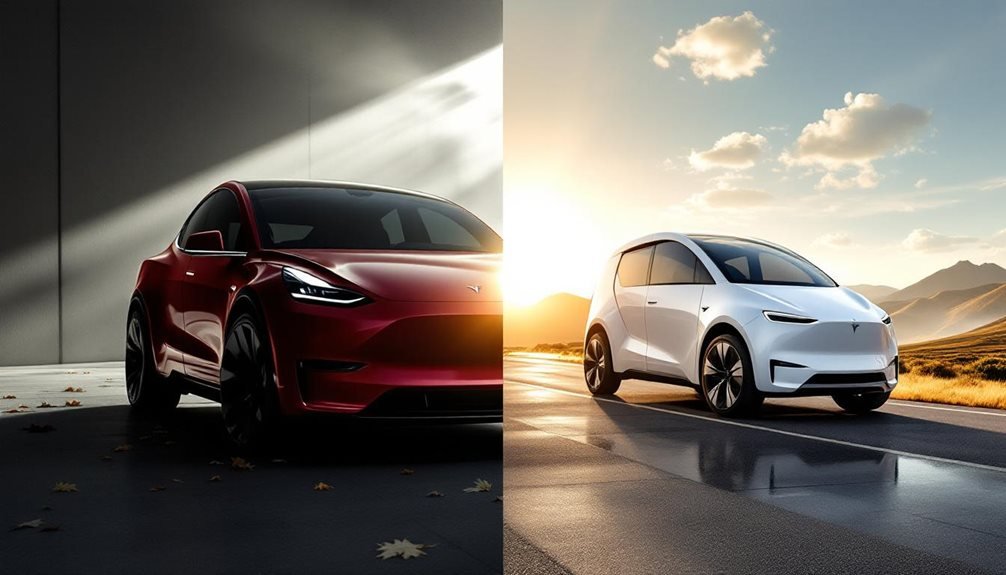
Tesla’s opening its Supercharger network to Honda and Acura electric vehicles marks a major shift in the EV charging environment. Honda Prologue and Acura ZDX owners can now charge at over 23,500 Tesla Superchargers across the nation. This access requires a special adapter that converts Tesla’s NACS plug to the CCS1 standard used by Honda and Acura vehicles. This partnership not only enhances charging accessibility for Honda and Acura drivers but also underscores Tesla’s commitment to fostering a more interconnected electric vehicle ecosystem. Recent tesla superchargers uptime statistics indicate a reliable charging experience, which is crucial for long-distance travel and everyday convenience. As electric vehicle adoption accelerates, such collaborations will likely play a pivotal role in shaping the future of sustainable transportation.
The adapter costs $225 and is available at authorized dealerships or online. It’s a necessary piece of equipment because Tesla Superchargers use a different charging port design than Honda and Acura EVs. The adapter bridges this gap, allowing these vehicles to plug into Tesla’s fast-charging network. Only V3 and V4 Tesla Superchargers are compatible with the adapter, while older V2 stations cannot be used.
Using a Tesla Supercharger with a Honda or Acura EV isn’t complicated. Drivers can find Supercharger locations on their vehicle’s built-in Google Maps. They’ll need to download the Tesla app and create an account to start charging. Honda and Acura plan to integrate this functionality into their own HondaLink and Acura EV apps in the future.
The charging process requires manually attaching the adapter to the charging cable before plugging into the vehicle. Video guides are available to help drivers learn the proper parking positions and charging procedures at Supercharger stations. The adapter guarantees direct current conversion for effective DC fast-charging speeds, though actual charging rates depend on the specific vehicle, adapter, and Supercharger capabilities.
This development represents significant industry collaboration. Ryan Harty, assistant vice president of Sustainability and Business Development at American Honda, emphasized the importance of reliable charging infrastructure for current and future EV owners. Tesla’s decision to open its network strengthens Honda and Acura’s position in the competitive EV market. It gives their customers more charging options during road trips and daily driving. Additionally, Tesla’s shift towards robotics highlights the company’s commitment to innovation and efficiency, which can further enhance the EV experience for customers. By integrating advanced robotics into their manufacturing processes, Tesla is likely to streamline production and enable quicker scalability of electric vehicle technology. This strategic move not only benefits Tesla but also raises the bar for competitors like Honda and Acura to innovate and adapt in the evolving market.
The move also demonstrates how charging standards are progressing to support multiple brands. The broader impact extends beyond just Honda and Acura. This partnership sets a precedent for other manufacturers to potentially access Tesla’s extensive charging infrastructure. As the automotive industry evolves, such collaborations may lead to a more unified charging ecosystem, benefiting consumers and manufacturers alike. However, Tesla’s advances are not without challenges, as their ambitious plans for tesla robotaxis under scrutiny raise questions about the readiness of autonomous driving technology. This scrutiny emphasizes the need for ongoing innovation and regulation to ensure safety and reliability in this rapidly changing landscape. As more companies recognize the benefits of collaborating with Tesla, we can expect to see an increase in interoperability among various electric vehicle brands. This evolution not only enhances consumer convenience but also aligns with Tesla’s expanding business model, which aims to make electric vehicles more accessible. By fostering a more unified charging landscape, the entire industry stands to gain, encouraging the adoption of sustainable transportation options.
It promotes the adoption of NACS adapters across the industry and builds driver confidence in EV ownership. As more brands gain Supercharger access, Tesla’s network is changing from an exclusive amenity into a shared resource that benefits all EV drivers. This shift not only enhances the usability of electric vehicles but also encourages the development of surrounding infrastructure, such as restaurants and shops that cater to EV drivers. As charging stations become more prevalent, consumers will find convenience in locations equipped with Tesla dining spot accessories, allowing them to recharge both their vehicles and themselves. This evolving landscape attracts a diverse range of electric vehicle users, further accelerating the transition to sustainable transportation.