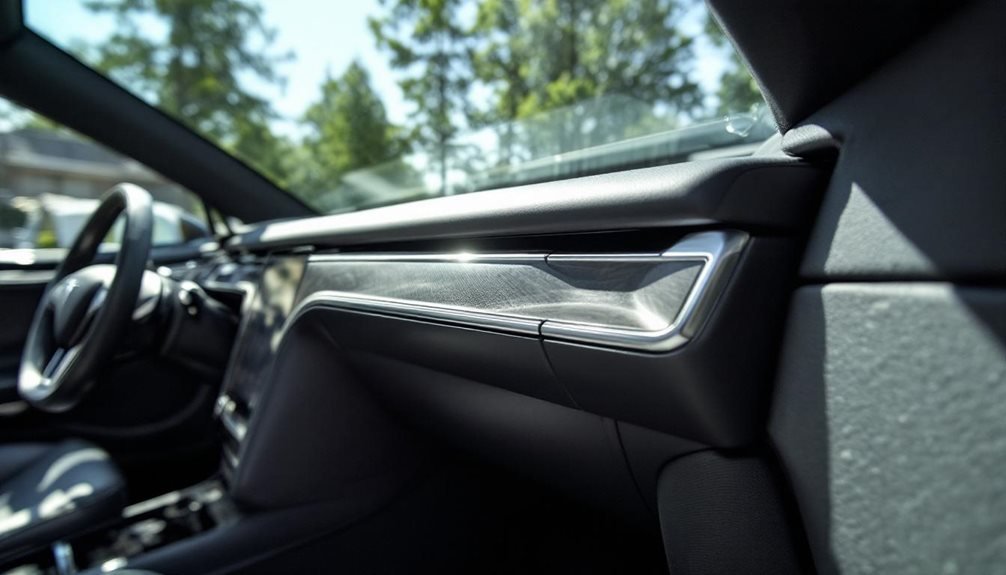

Tesla’s “silent” electric vehicles aren’t so quiet after all. Door panels rattle from loose clips, speakers buzz at certain frequencies, and the heat pump creates a subwoofer-like hum that rivals actual sound systems. Exterior issues include rubbing fender liners and misaligned hatches causing wind noise. Suspension problems produce crunching sounds from worn bushings and failing ball joints. Solutions range from foam padding to warranty claims, though Tesla often dismisses complaints as normal operation. More all-encompassing fixes await those seeking deeper solutions. Additionally, some owners report issues related to battery performance, including the perplexing phenomenon known as ‘tesla phantom drain explained.’ This unexpected battery usage can lead to decreased range when the vehicle is not in use, adding to drivers’ frustrations. As Tesla continues to refine its technology, the hope is that many of these quirks will be addressed in future updates, improving the overall ownership experience. Additionally, some Tesla owners have reported persistent issues with interior air quality, leading to what are often described as common tesla odor issues, particularly in warmer climates. These odors can stem from materials used in the cabin or even the heating systems, causing discomfort during drives. As Tesla works on improving their manufacturing processes, owners hope for more reliable solutions to both noise and odor concerns.
Why do Tesla owners find themselves constantly battling mysterious rattles, buzzes, and hums that seem to emerge from every corner of their supposedly state-of-the-art electric vehicles? The answer lies in a surprisingly common collection of issues that plague these premium EVs, turning peaceful drives into acoustic nightmares. From inconsistent manufacturing tolerances to the unique materials used in their construction, these factors contribute to the noise complaints often reported by users. Additionally, routine components like the suspension system may exacerbate these sounds, resulting in a need for regular tesla tire wear analysis to ensure optimal performance. As a result, what could be an enjoyable driving experience can instead become an ongoing struggle to identify and mitigate these intrusive sound issues.
Interior rattles dominate owner complaints. Door panels develop annoying vibrations when clips loosen or wiring shifts underneath. Passenger-side speakers buzz at specific frequencies, creating that charming fingernails-on-chalkboard experience. Trim pieces misalign, allowing wind to sneak through gaps and transfer vibrations throughout the cabin. Even Tesla’s celebrated heat pump joins the melody, producing low-frequency humming that rivals a subwoofer.
Interior rattles plague Tesla cabins as door panels vibrate, speakers buzz at jarring frequencies, and misaligned trim creates an acoustic nightmare.
The exterior presents its own cacophony. Fender liners rub against wheel wells at highway speeds. Debris accumulates in misaligned wheel wells. Sway bar end links develop worn ball joints that clunk over every pothole. The rear hatch, when misaligned, creates vibration and wind noise that makes highway driving unbearable.
Suspension components fail with alarming regularity. Control arm bushings tear, producing crunching sounds during low-speed turns. Ball joints in upper control arms occasionally fail, adding steering noise to the mix. Subframe bushings damage easily under hard cornering or repeated stress. Steering vibrations emerge when turning lock-to-lock, even without braking. Front upper control arms primarily fail due to water penetration that causes corrosion and grease displacement at the ball joint.
That mysterious heat pump rumbling deserves special attention. The continuous subwoofer-like noise appears when heating activates. Reduce fan speed or open the rear hatch, and the noise magically disappears. Tesla often dismisses these complaints as normal thermal expansion. Convenient excuse.
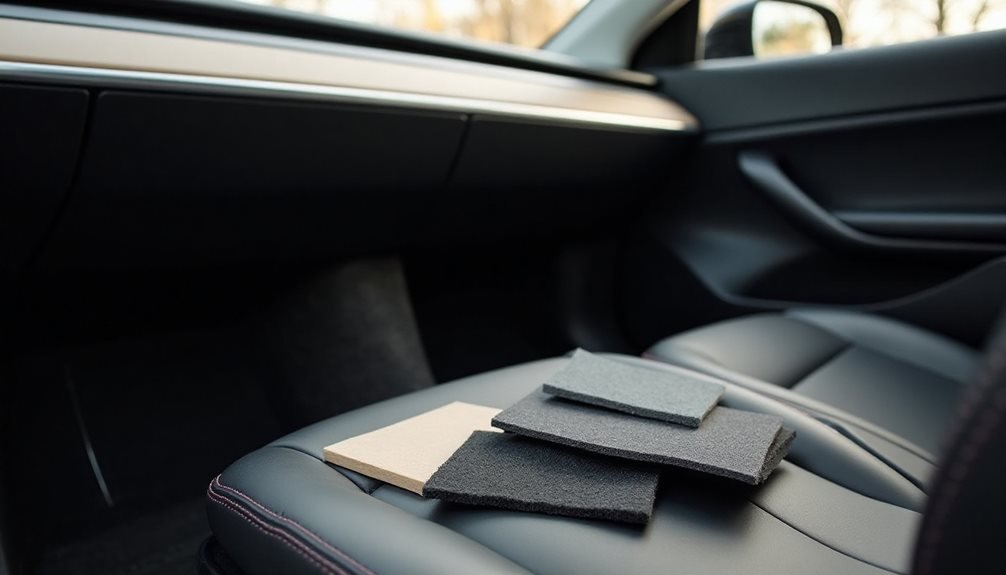
Solutions exist for determined owners. Rubber foam between speakers and trim reduces buzzing. Felt padding quiets vibrating panels. Frequency testing helps isolate problematic sounds. Professional installation ensures speakers stay secure. Some owners report that intrusive noises trigger their vehicle’s Sentry Mode security system, adding another layer of complexity to diagnosing acoustic issues.
Diagnostic techniques reveal specific culprits. Acceleration and deceleration commonly reproduce the characteristic drivetrain whine that distinguishes normal EV operation from problematic rattling. Accelerating, braking, and turning replicate noises under controlled conditions. Bump testing over road imperfections identifies suspension problems. Visual inspections catch torn bushings, ball joint play, and liner misalignment.
Permanent fixes include padding materials for interior components and replacing worn sway bar end links. Tesla Service Centers handle warranty claims for unexpected suspension noise, though results vary. The reality? These premium electric vehicles require constant attention to maintain the quiet luxury experience owners expect.
Frequently Asked Questions
Does Tesla’s Warranty Cover Noise-Related Repairs and Replacements?
Tesla’s warranty explicitly excludes “general knocks, creaks, rattles” and vibrations deemed normal. Good luck with that definition. Service centers decide what’s “normal” case-by-case, often denying coverage after initial diagnostics.
Early ownership might get goodwill repairs, but that window closes fast. Owners must prove noise stems from defective parts—otherwise, they’re paying diagnostic fees. Loose trim, environmental factors, and aftermarket modifications? Definitely not covered.
Are Aftermarket Soundproofing Modifications Safe for Tesla’s Electrical Systems?
Aftermarket soundproofing is generally safe for Tesla’s electrical systems when done properly. Non-conductive materials like mass-loaded vinyl and rubber foam won’t interfere with electronics.
The real risk? Sloppy installation. Moisture trapped in poorly sealed doors can damage circuits over time.
Adhesive residue or mechanical stress on wiring during installation spells trouble. Professional installations beat DIY attempts every time for avoiding warranty-voiding disasters.
How Do Tesla Noise Levels Compare to Traditional Gasoline Vehicles?
Teslas run markedly quieter than gas cars at highway speeds. A 2024 Model 3 hits 67 dB at 70 mph, while traditional vehicles clock 70-80 dB.
That 3 dB difference? It’s actually a 50% reduction in perceived loudness. Without engine roar drowning everything out, Tesla drivers suddenly notice tire hum and HVAC fans. It’s not that Teslas are loud—gas cars are just louder.
Can Software Updates Reduce or Eliminate Certain Tesla Noises?
Software updates can address some Tesla noises, but don’t expect miracles. Model S/X got ANC through 2021.40 updates, though users weren’t exactly thrilled with the results.
Cold-weather algorithms help reduce HVAC noise by enhancing heating protocols.
Media system improvements with TIDAL integration basically mask road noise with better audio.
Bottom line: software helps, but hardware limitations mean you’re still hearing plenty of unavoidable sounds.
Do Tesla Noises Affect the Vehicle’s Resale Value Significantly?
Tesla noises can definitely ding resale value. Buyers expect whisper-quiet electric rides, not rattling door panels or squeaky seats.
Documented noise complaints in service records? Red flag for potential purchasers. They’ll lowball offers or walk away entirely.
Tesla’s premium image takes a hit when cars sound like cheap econoboxes. Smart sellers fix noise issues before listing.
Otherwise, prepare for awkward test drives and disappointed buyers who expected better from a $50,000+ electric vehicle. To mitigate this, it’s essential to ensure that the vehicle meets or exceeds expectations in terms of performance and features. For those considering an electric vehicle purchase, searching for “buying a tesla tips” can provide invaluable insights on what to look for and how to navigate the buying process effectively. Ultimately, a well-informed buyer is more likely to drive away satisfied with their investment.