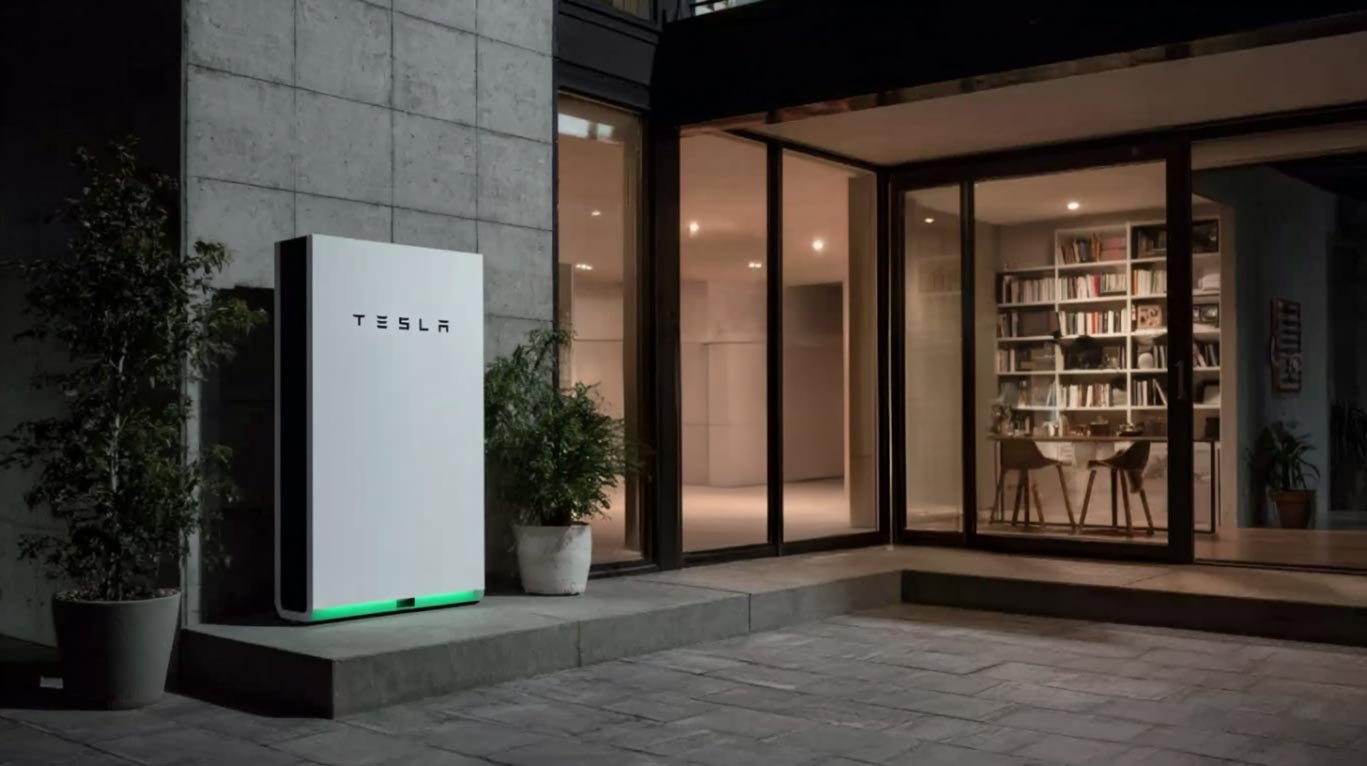

Tesla Powerwalls cost $11,500 each in 2025, but bulk pricing drops that to $9,250 for two units. The 30% federal tax credit helps, bringing single-unit costs down to roughly $10,780. They’re solid for blackout protection and can power your whole house, even charge your EV. ROI depends heavily on your local electricity rates and how often the grid fails you. High-cost areas see faster payback, while some folks earn hundreds monthly through Tesla’s Virtual Power Plant programs.
Tesla Powerwalls aren’t cheap, but they’re not trying to be. A single unit costs $11,500 before discounts in 2025, which sounds brutal until you realize what you’re actually getting. This isn’t just a fancy battery sitting in your garage.
Tesla’s $11,500 Powerwall isn’t just an expensive garage ornament—it’s a complete home energy solution that justifies its premium price tag.
The pricing gets interesting when you buy multiple units. Two Powerwalls cost $18,500 total, dropping the per-unit price to $9,250 each. Ten units? That’ll run you $80,500. Tesla clearly wants you thinking big. Or maybe they just like round numbers.
Installation adds another layer of expenses. The Gateway runs about $900, accessories cost roughly $200, and labor hits around $6,100. Then there are batteries to think about. So much for that $11,500 sticker price.
Here’s where things get less painful: the 30% federal tax credit knocks the cost down to approximately $10,780 per unit. That’s assuming the credits don’t disappear, which they might. Government incentives have a funny way of vanishing when you need them most.
The real value proposition emerges when you pair Powerwalls with Tesla solar installations. The company offers better pricing for integrated systems, probably because they want to own your entire energy setup. Smart business move. If you already have solar panels from Tesla, expansion units cost $5,900 each after the initial setup.
Storage costs work out to about $1,140 per kWh, which sounds expensive until you compare it to competitors like LG Chem. Tesla’s pricing actually looks reasonable in context.
The system provides full home backup during outages, can charge your electric vehicle, and seamlessly switches between grid and battery power. The Powerwall requires minimal maintenance with only occasional updates or inspections needed over its lifetime. Just like their vehicles, Tesla owners often invest in protective coatings to maintain their investment’s appearance and longevity.
The payback period varies wildly based on location, energy usage, and local electricity rates. Areas with frequent outages or high grid rates see faster returns.
The Powerwalls also reduce carbon footprint by maximizing stored solar energy and cutting reliance on fossil fuels. Tesla’s Virtual Power Plant programs can even generate hundreds in monthly payments for participating in grid services.
Whether they’re worth it depends on your specific situation. High energy costs, unreliable grid power, or strong environmental priorities make Powerwalls more attractive. Otherwise, you’re paying premium prices for peace of mind and energy independence.
Frequently Asked Questions
How Long Does a Tesla Powerwall Typically Last Before Needing Replacement?
Tesla Powerwalls typically last 10-20+ years before replacement becomes necessary. The company guarantees 70% capacity retention for a full decade under their warranty.
Most units keep functioning well beyond that timeframe, though performance gradually declines. Real-world reports show many systems operating effectively for 15+ years.
Usage patterns matter—daily full discharges accelerate degradation faster than partial cycling. Even after warranty expiration, degraded batteries often remain functional.
Can Tesla Powerwalls Work During a Power Outage Without Solar Panels?
Tesla Powerwalls can work during outages without solar panels, but only if configured with backup functionality. Non-backup systems simply don’t function when the grid goes down. Period.
Backup-only configurations reserve 100% battery capacity for outages, charging from grid energy when possible. However, without solar panels, the battery can’t recharge during extended outages—it’s stuck waiting for grid power to return.
What Maintenance Is Required for Tesla Powerwall Systems Over Time?
Tesla Powerwalls require surprisingly little hands-on maintenance. Visual inspections every 3-6 months, cleaning air vents, and wiping down surfaces basically covers it.
The system handles software updates automatically. Don’t try fixing anything yourself—Tesla isn’t kidding about that.
Keep debris away from the unit, avoid deep battery discharges, and monitor usage through their app.
Professional installation matters, but ongoing care is pleasantly simple for such expensive tech.
Do Tesla Powerwalls Increase Home Resale Value Significantly?
Tesla Powerwalls definitely enhance home resale value. Properties with solar and battery systems average $125,000 higher valuations than comparable homes without them. That’s serious money.
Solar homes typically sell for 4.1% more than regular properties. Even better—60% of buyers will pay at least $10,000 extra specifically for homes with solar-plus-battery setups. The numbers don’t lie here.
How Does Cold Weather Affect Tesla Powerwall Performance and Efficiency?
Cold weather doesn’t really faze Tesla Powerwalls much. They operate efficiently down to -4°F with an integrated heating system that kicks in automatically. The waterproof casing laughs at snow and ice.
Performance stays solid in sub-zero temps, actually outperforming other storage systems during prolonged cold spells. Heat Mode prioritizes thermal management, and the thing provides instant backup power when winter storms knock out the grid.