
Tesla’s competitive position is slipping as the electric vehicle maker faces a perfect storm of challenges. The company’s struggles span multiple areas, from declining sales to executive departures and changing consumer preferences.
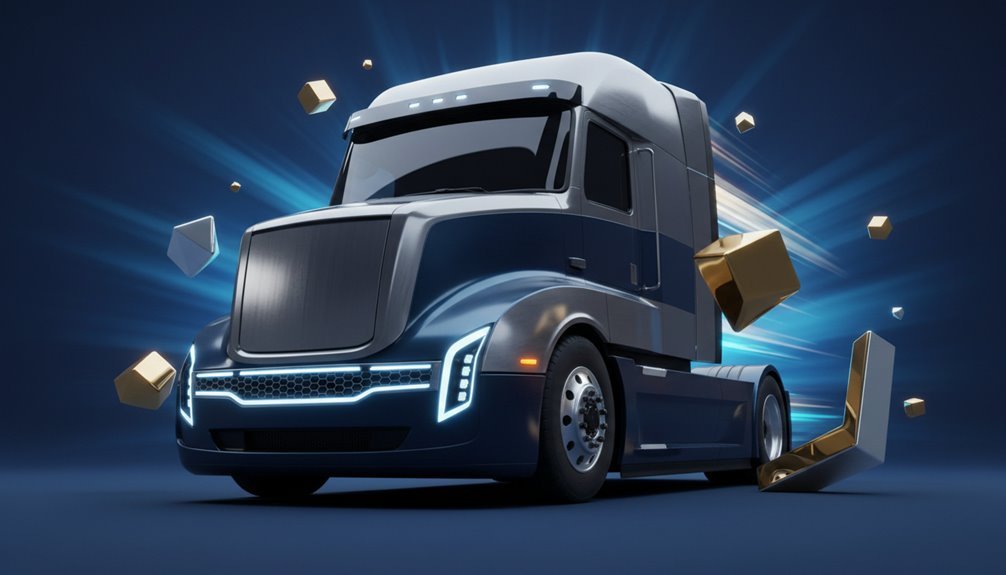
Now Tesla is fighting back by recruiting sales talent from competitors to push its electric semi truck business forward.
Tesla is aggressively recruiting sales talent from competitors to revitalize its struggling electric semi truck business.
The company’s sales performance tells a troubling story. Tesla’s projected global sales will drop 7% in 2025. European markets have been particularly weak, with France experiencing a 47.3% decline in Tesla registrations while the overall car market grew 2.2%.
BYD, a Chinese competitor, has surged ahead in Spain with cumulative sales of 14,181 vehicles compared to Tesla’s 9,330. These numbers show Tesla’s dominance is fading fast. This competitive shift reflects how agile rivals are capitalizing on Tesla’s market setbacks to capture greater market share. Wall Street analysts have criticized the disappointing sales figures that underscore Tesla’s vulnerability in key markets. Meanwhile, China’s market leadership has expanded to 56% of global BEV deliveries, with intensifying competition from multiple Chinese manufacturers eroding Tesla’s international position.
Tesla’s problems run deeper than sales figures. The company is experiencing a significant talent drain. OpenAI has recruited David Lau, Tesla’s former vice president of software engineering.
Other infrastructure engineers have also left for AI companies. These departures slow down Tesla’s ability to develop new products and improve existing ones. The loss of skilled talent directly hampers Tesla’s technological innovation and competitive edge in the market.
Consumer sentiment is also working against Tesla. Over half of surveyed consumers say Elon Musk’s political views discourage them from buying Tesla vehicles. His support for Donald Trump and European far-right parties has sparked boycotts.
This reputational damage directly impacts sales. Competition has intensified too. Traditional automakers now offer competitive electric vehicles at various price points.
Tesla no longer holds a clear technological advantage. Secondhand Tesla prices are falling due to market saturation. The company’s vehicle lineup is aging, and new model development has stalled.
To combat these challenges, Tesla is pursuing aggressive recruitment of sales professionals from rival companies. This strategy targets the electric semi truck market, an area where Tesla hopes to regain momentum.
By bringing in experienced sales talent, Tesla seeks to enhance semi truck orders and revenue. The company’s move reveals how serious its situation has become.
Rather than relying on brand strength alone, Tesla is now competing intensely for human talent. Whether this recruitment effort can turn around the company’s sliding fortunes remains uncertain.