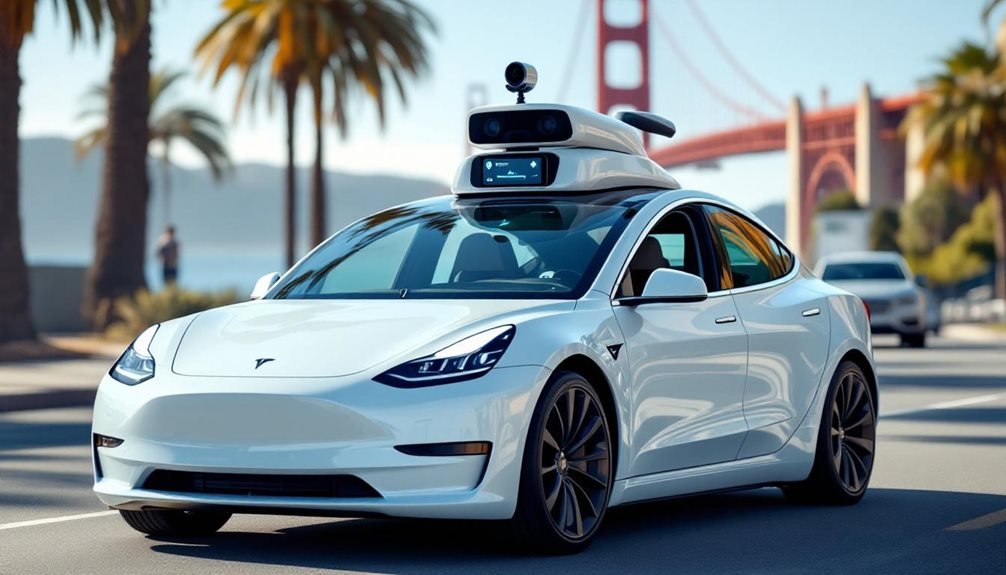
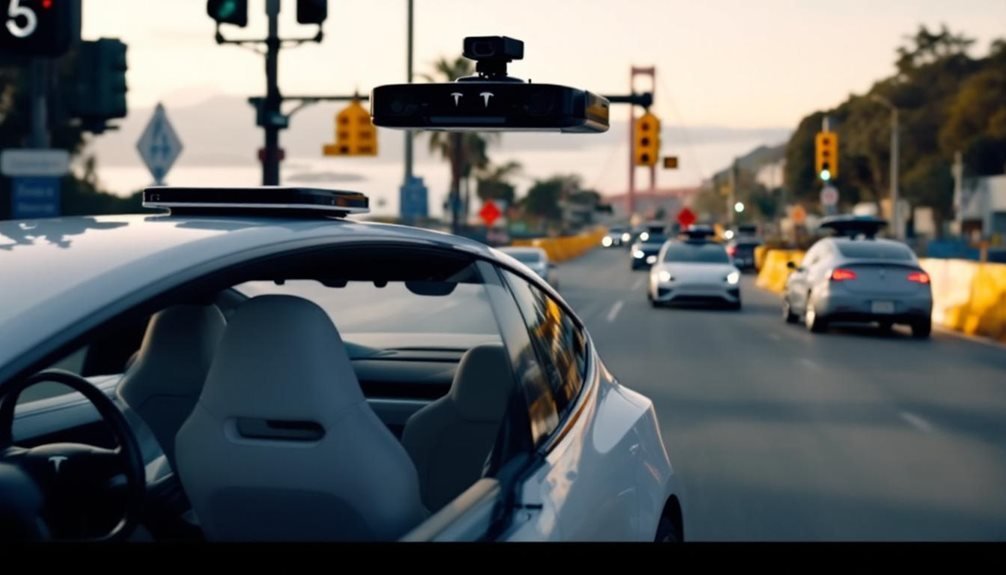
Tesla’s launching its robotaxi service in California’s Bay Area on July 25, but there’s a catch — human safety drivers will still sit behind the wheel. The service will cover San Francisco, Marin County, East Bay cities, and San Jose through an invite-only system for Tesla owners.
The company hasn’t secured the necessary permits for driverless operations. California’s Department of Motor Vehicles confirms Tesla hasn’t applied for autonomous testing or implementation permits. The California Public Utilities Commission only allows Tesla to transport employees, not paying customers.
Despite these restrictions, Tesla’s moving forward with modified Model Y vehicles equipped with dual telecom units for improved connectivity. Safety drivers will control steering when needed, though they won’t have brake access. Customers will book and pay for rides through Tesla’s Robotaxi app, though the company hasn’t disclosed pricing. Remote operators will also be available to intervene if the vehicle goes off course during operation.
This Bay Area launch follows Tesla’s June 22 debut in Austin, where about 10 Model Ys operate with limited downtown coverage. The key difference between regions is safety driver positioning — they sit in the passenger seat in Texas but behind the wheel in California.
Tesla’s regulatory troubles extend beyond permit issues. The DMV’s ongoing lawsuit challenges the company’s Autopilot advertising claims, while another trial examines deaths linked to Tesla’s driver-assistance technology. The DMV has even threatened to halt Tesla’s vehicle sales in California.
Elon Musk maintains that regulatory approvals are progressing, though officials dispute this claim. The CPUC explicitly denied Tesla authorization for autonomous service to the public. Tesla’s Full Self-Driving software remains unproven for robotaxi deployment despite years of development promises.
The geofenced operation will focus on high-demand urban and suburban areas rather than rural zones. Tesla appears to be exploiting loopholes in non-autonomous permit requirements to enter restrictive markets while working toward eventual driverless operations.
The service betrays its “robotaxi” name by requiring human oversight, highlighting the gap between Tesla’s autonomous ambitions and current technological capabilities. This hybrid approach — using safety drivers while claiming to offer robotaxi service — blurs the line between traditional ride-hailing and truly autonomous transportation.
The expansion strategy reveals how companies maneuver the disconnect between innovation speed and regulatory systems, potentially setting precedents for future autonomous vehicle operations.