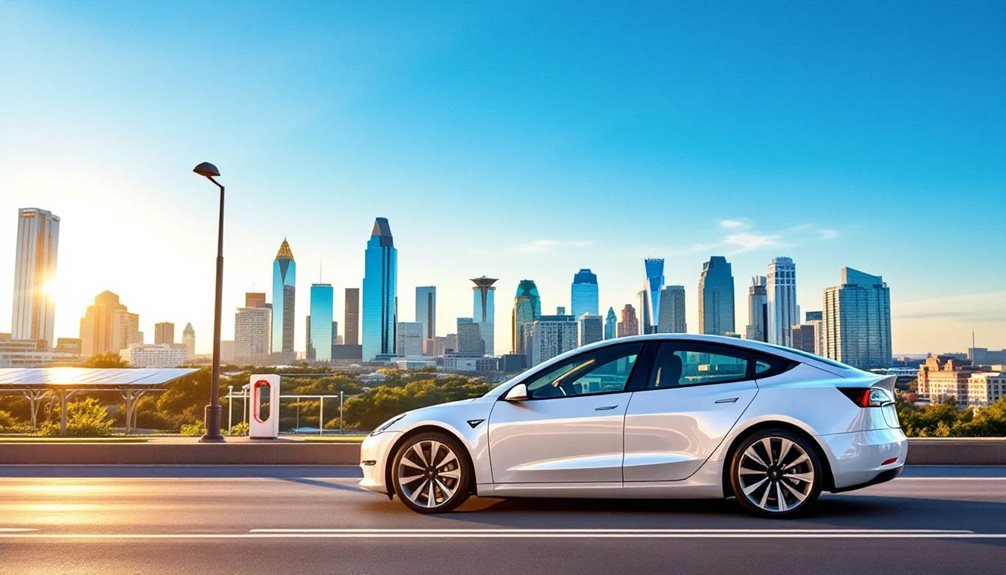
After years of promises about self-driving cars, Tesla’s launching its robotaxi service with a small fleet of Model Y vehicles in Austin this summer. The company started a limited pilot in June 2025 with 10 to 20 cars operating from 6 a.m. to midnight daily. Safety drivers must stay behind the wheel for now because Texas law requires it.
Tesla plans to expand to San Francisco by late 2025, but California’s permit process has delayed the launch by a month or two. The company wants to reach half the U.S. market eventually, competing directly with Waymo’s existing robotaxi service. The current service is available only to select invitees, including social media influencers who help promote the platform.
Tesla aims to reach half the U.S. market while competing directly with Waymo’s established robotaxi service.
Starting in 2026, Tesla will let private EV owners add their cars to the robotaxi fleet. Owners can earn passive income when they’re not using their vehicles. Elon Musk expects hundreds of thousands of owners to join the network long-term. He claims Tesla’s technology costs one-tenth of what competitors like Cruise or Zoox spend. This initiative is poised to revolutionize the way people think about vehicle ownership and mobility. With ongoing tesla selfdriving technology advancements, many anticipate that the efficiency and reliability of the fleet will only improve over time. This could lead to a significant reduction in the costs of transportation for everyday users, further solidifying Tesla’s position in the EV market.
The robotaxis use Tesla’s Full Self-Driving software with added sensor upgrades for better guidance. Despite the autonomous technology, human oversight remains mandatory during all rides. FSD beta testers and EV influencers get priority access to the service. The company also plans to expand robotaxi services to California and Arizona following regulatory approvals. As Tesla continues to innovate, the company is also focusing on enhancing safety features in response to public concerns. Recent tests have demonstrated significant improvements in navigation and obstacle detection, aided by the latest tesla robotaxi technology advancements. With ongoing feedback from users, Tesla aims to refine its offerings and expand its market presence.
Texas will update its autonomous vehicle laws in September 2025, requiring new safety compliance measures. Some Texas lawmakers want Tesla to wait until the legal requirements become clearer. Nationwide, lawsuits and safety concerns have slowed autonomous vehicle adoption. Building public trust remains critical for getting regulatory approvals.
Tesla hasn’t announced how it’ll split revenue with vehicle owners who join the network. The company’s approach differs from Waymo’s owned-fleet model by using a decentralized ownership structure. This reduces infrastructure costs while creating potential synergies with Tesla’s energy storage and solar products.
The success of Tesla’s robotaxi service depends on the reliability of its autonomous technology. If the FSD system proves dependable, network effects could help Tesla dominate the market. The company’s existing base of FSD users gives it an advantage over competitors who built their autonomy systems from scratch.