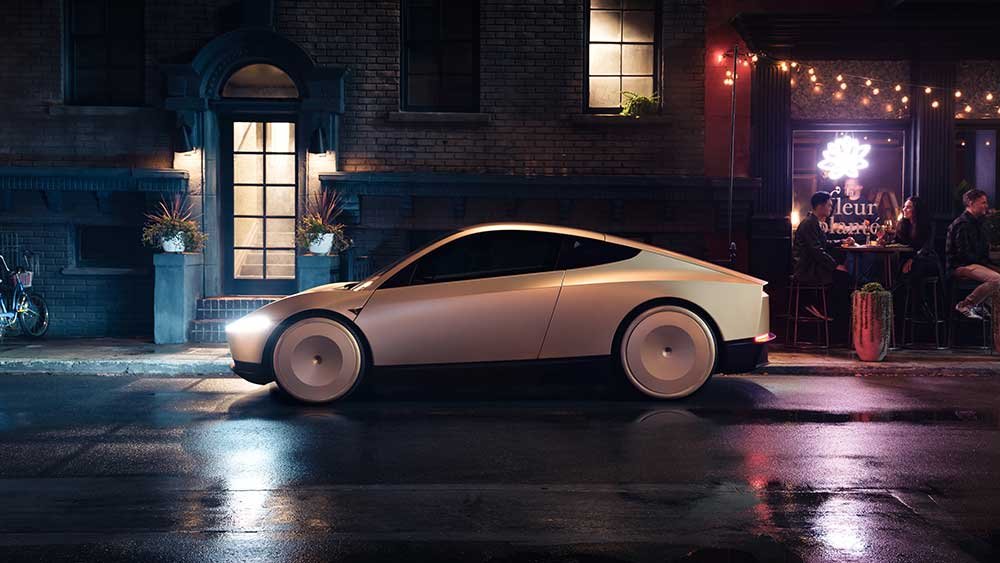

Tesla’s ambitious robotaxi plans are advancing, though they’re facing some real challenges. The company launched its robotaxi service on June 22, 2025, in Austin, Texas. It started as an invite-only program for select Tesla shareholders and social media users. However, the service still requires a human safety monitor sitting in the front passenger seat. Early reports showed some concerning issues, including wrong-way driving and traffic violations. The National Highway Traffic Safety Administration began investigating these safety concerns.
Elon Musk has announced aggressive expansion targets. Tesla plans to grow its Austin fleet to 500 units by the end of 2025. The company also seeks to reach 1,000 robotaxis in the Bay Area by the same deadline. Musk stated that parts of Austin could shift to operations without safety drivers by year’s end. These goals come with a tight timeline of roughly eight weeks. The safety monitor requirement represents a significant operational cost that could impact the financial viability of the service at scale.
Tesla aims to expand its Austin robotaxi fleet to 500 units by year-end while targeting 1,000 vehicles in the Bay Area simultaneously.
Despite these targets, regulatory obstacles are slowing progress. Tesla hasn’t completed necessary paperwork for operations in Arizona and Nevada. Florida was expected to offer an easier path due to looser regulations. California’s permit only allows testing with a safety driver present. These challenges have already delayed implementation plans in various states. The initial fleet consisted of 10 to 20 Model Y vehicles during the June launch.
Musk has scaled back some earlier promises. He previously targeted half the U.S. population by the end of 2025 and a dozen cities for service. The current plan focuses on eight to ten metro areas. Even this more modest goal faces barriers from regulators.
Tesla’s current Full Self-Driving technology ranks as SAE Level 2, meaning it still requires driver supervision. The company’s vision requires achieving Level 4 or 5 autonomy for truly unsupervised operation. Tesla plans to begin producing purpose-built Cybercab vehicles in 2026, with significant volume production targeted for 2027. A second autonomous vehicle called the Robovan is also in development. Tesla has collected nine billion miles of real-world driving data to continuously refine its autonomous systems for enhanced safety performance.
Competition is heating up. Nvidia announced a partnership with Uber for autonomous fleet operations. Tesla’s bet on robotaxis represents a major shift, but regulatory approval and technology maturity remain critical questions for the company’s success.