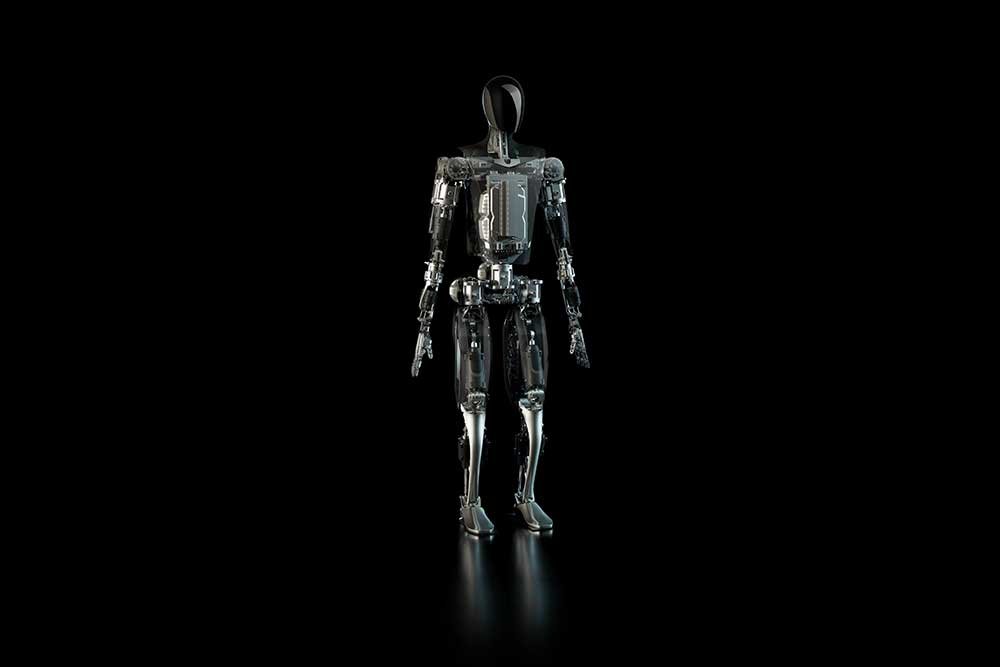
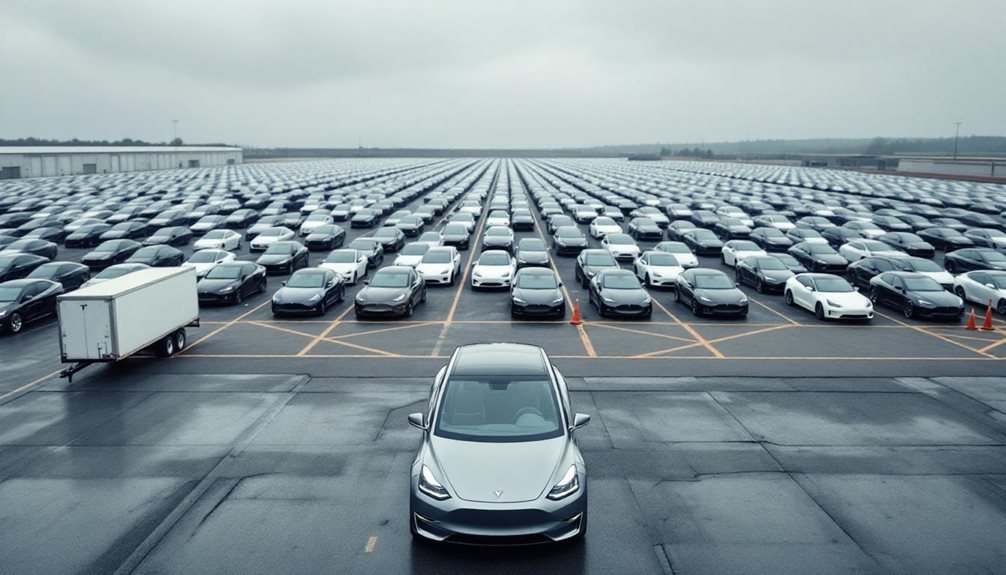
When will robots become more precious than cars? Tesla’s CEO Elon Musk thinks the answer is soon. The electric vehicle giant has shifted its focus from cars to humanoid robots called Optimus. Musk believes these robots could make Tesla worth $25 trillion—that’s more than the entire S&P 500 combined.
Tesla’s humanoid robots could make the company worth more than the entire S&P 500 combined.
Tesla plans to produce 5,000 Optimus robots by 2025. The company wants to increase that number to 50,000 units in 2026. Two robots are already working in Tesla’s factories. More than 1,000 robots will join them next year. The robots will start deployment in April 2025, marking a new era in automated manufacturing. Musk actually plans to build 10,000 robots in 2025, with several thousand expected to be operational by year-end.
Each robot could save Tesla up to $57,550 annually by replacing human workers. The robots handle repetitive tasks on assembly lines. They also take on dangerous jobs that put human workers at risk. These savings will help fund Tesla’s expansion and enhance profits.
Musk says Optimus will drive most of Tesla’s future value. He thinks humanoid robots will become more important than electric cars. Goldman Sachs agrees. The investment firm calls humanoid robots the next major tech wave after smartphones and EVs.
Tesla’s robots use artificial intelligence to work independently. They can perform multiple tasks across production lines. The company’s testing these capabilities in real-world factory settings. This technology sets Tesla apart from other car manufacturers.
The shift to robots could change manufacturing forever. Other car companies might follow Tesla’s lead. Robots could solve labor shortages and bring manufacturing jobs back to high-tech sectors. They might create new automation standards for factories worldwide. Meanwhile, Tesla vehicles continue to benefit from battery warranties that transfer to new owners and retain value better than most luxury cars.
Tesla’s current value sits at $1 trillion. Musk predicts the robot business could multiply that by 25. It’s a big gamble. The company is betting that robots, not cars, will define its future. If successful, this shift could revolutionize the automotive and robotics industries alike, positioning Tesla as a leader in both domains. As the company pushes forward, many are eager to see how Tesla’s full selfdriving technology explained will integrate with its ambitious robotics plans. The outcome of this venture could redefine the concept of mobility and automation in ways we can only begin to imagine. If Musk’s vision comes to fruition, it could revolutionize the way we think about automation and transportation. However, skeptics warn that such ambitious projections are high-risk and depend heavily on technological advancements and market acceptance. As part of the bold strategy, the upcoming tesla 2025.26 update highlights will provide insights into the company’s ongoing developments in its robotic ventures.
The EV market has slowed down recently. Tesla sees robots as its next growth opportunity. Whether this strategy works remains uncertain. What’s clear is that Tesla isn’t just a car company anymore. It’s becoming a robotics company that happens to manufacture cars. As it pivots towards robotics, Tesla is leveraging its existing infrastructure to support this transition. The company’s extensive network of Tesla superchargers uptime success could play a crucial role in enhancing the efficiency of its robotic systems, providing the necessary energy solutions for future innovations. By integrating this technology, Tesla aims to redefine urban mobility and connectivity, venturing well beyond traditional automotive boundaries. As Tesla pivots towards robotics, its ambitious plans for autonomous vehicles are also gaining attention. However, with tesla’s robotaxis under scrutiny, there are concerns about safety and regulatory hurdles that could impact their rollout. The company’s ability to navigate these challenges will be key in solidifying its new identity beyond that of a traditional automaker. As Tesla continues to innovate and integrate robotics into its operations, it’s positioning itself at the forefront of automation technology. Tesla’s evolving business model reflects a shift towards diversified revenue streams, tapping into markets beyond traditional vehicle sales. This strategic pivot could redefine the landscape of both the automotive and robotics industries.