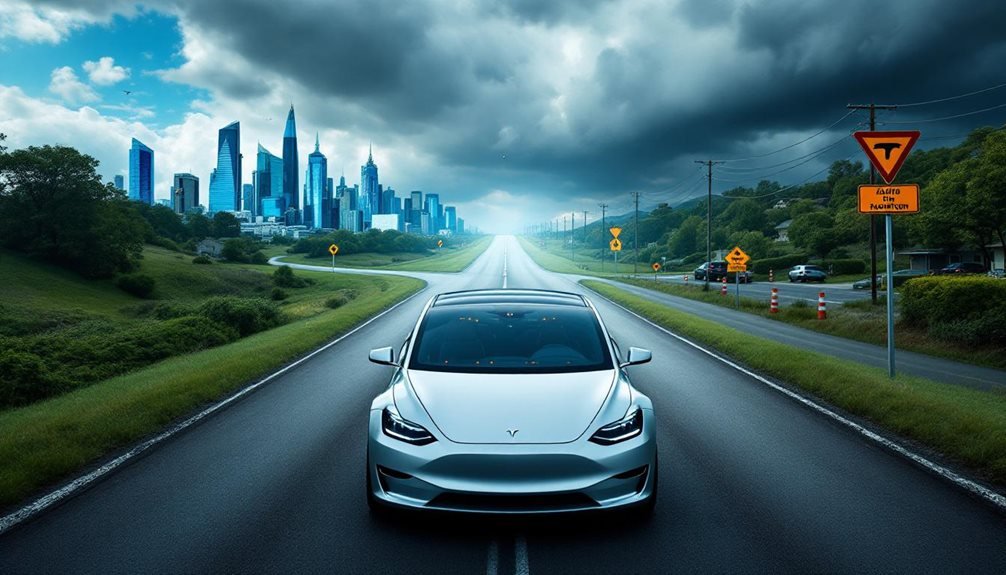
While Tesla promises its cars will drive themselves someday, the company’s Autopilot and Full Self-Driving features remain works in progress. The electric car maker charges up to $15,000 extra for these features, but they still require drivers to pay attention and keep their hands on the wheel.
Tesla’s system includes several features that help with driving tasks. Traffic-Aware Cruise Control keeps the car at a safe distance from other vehicles. Autosteer helps the car stay in its lane on highways. Steer on Autopilot can handle highway exits and lane changes during trips. The system can also recognize traffic lights and stop signs, though Tesla labels many of these features as “beta,” meaning they’re still being tested.
The technology relies on cameras placed around the car to see the road. Tesla used to include radar and ultrasonic sensors, but newer models use cameras only. The company’s special computer processes all this information using artificial intelligence. Tesla regularly sends software updates to improve how the system functions.
Tesla’s vision-only approach uses cameras and AI to navigate, ditching traditional radar and ultrasonic sensors.
Despite the “Full Self-Driving” name, Tesla’s cars can’t actually drive themselves. They’re classified as Level 2 driver assistance systems, which means the driver must always watch the road and be ready to take control. This has caused confusion among some owners who expected their cars to be truly autonomous. Features like Actually Smart Summon can maneuver the vehicle in complex environments and locate the driver, but still require active supervision. As the race for autonomous driving technology intensifies, the tesla vs waymo robotaxi competition remains at the forefront of industry discussions. While Tesla focuses on enhancing its driver assistance features, Waymo is pushing for fully autonomous ride-hailing services. This ongoing rivalry highlights the differing approaches to achieving safety and reliability in self-driving vehicles.
Government safety officials are investigating several crashes involving Tesla’s Autopilot. The National Highway Traffic Safety Administration has opened probes into incidents where Teslas crashed into emergency vehicles. The system provides various warning systems that alert drivers to potential hazards including stop lights, stop signs, and emergency vehicles. Some features aren’t available in certain regions due to local laws.
Tesla owners have mixed feelings about the technology. Some love using Autopilot on long highway trips and find features like automatic parking helpful. Others report the system doesn’t always work smoothly. Weather conditions like heavy rain, snow, or fog can significantly impact the system’s performance and may cause it to disengage. Insurance companies also disagree on how to handle these cars – some offer discounts while others charge more.
The gap between Tesla’s promises and what the cars can actually do today remains significant. While the technology continues improving through updates, true self-driving cars that don’t need human supervision are still years away.