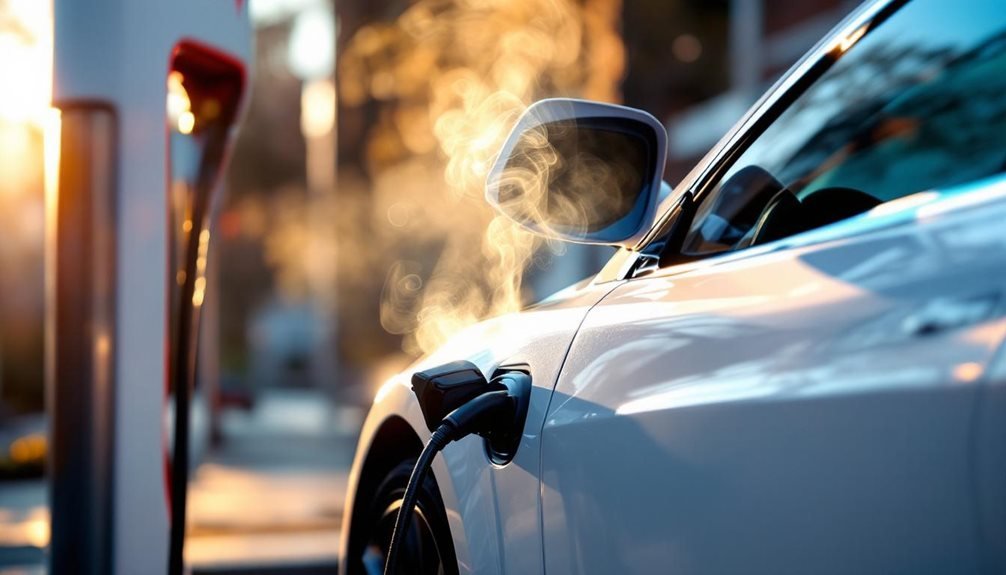
Tesla “smoke” during charging is usually harmless water vapor from heat pumps or condensation, not actual fire. Cold weather makes this more noticeable as thermal management systems work harder. Real smoke smells like burning and signals serious problems—overheating batteries, damaged cables, or corroded ports. Water vapor? No biggie. Actual smoke with that acrid smell? Stop charging immediately. Most Tesla owners freak out over normal steam, but distinguishing between the two could save your expensive electric ride. It’s important for Tesla owners to familiarize themselves with these signs to prevent potential damage. In addition to smoke, bad smells in Tesla cars can also indicate issues such as worn brake pads or even problems with the HVAC system. Regular maintenance and prompt attention to unusual signs can help maintain your vehicle’s performance and longevity.
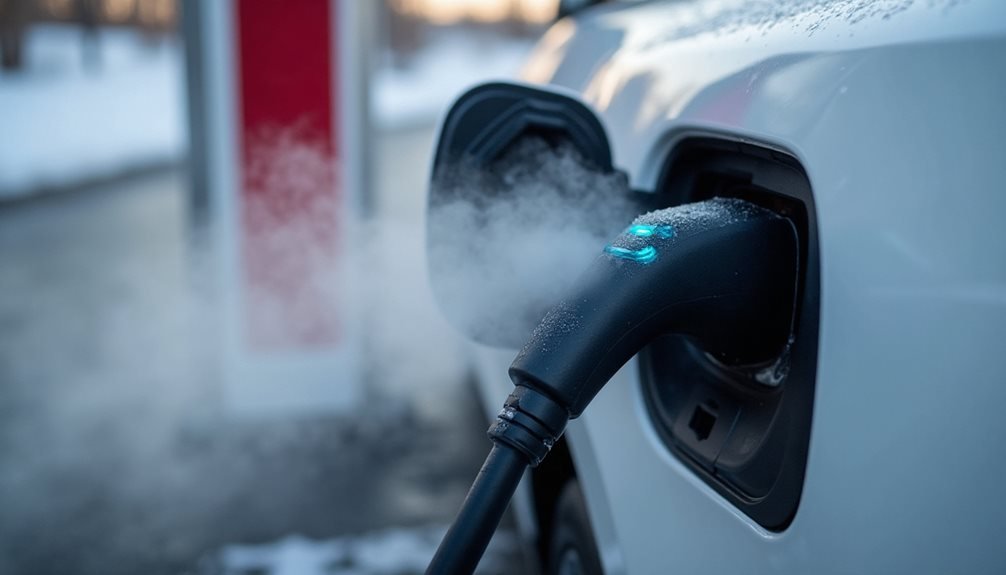
Tesla owners charging their vehicles sometimes witness an alarming sight: smoke or vapor rising from their car. This phenomenon can trigger panic, but the reality is usually less dramatic than it appears.
That alarming smoke rising from your charging Tesla is usually just harmless vapor, not the emergency it appears to be.
The most common culprit? Overheating battery packs. Prolonged charging sessions, scorching ambient temperatures, or failing cooling systems push batteries beyond their comfort zone. Fast charging above 120 kW creates what engineers call “supercell stress,” essentially forcing the battery to work overtime.
Defective charging cables present another headache. Damaged connectors build electrical resistance, generating localized heat that can appear as smoke. Corroded charging ports make matters worse, turning simple electron transfer into a heated mess. Circuit breaker failures compound these issues, creating erratic charging patterns that stress the entire system. In many cases, these problems lead to significant downtime and costly repairs. For those experiencing persistent problems, tesla charging issues explained can provide crucial insights into identifying and resolving these complications effectively. Understanding these nuances can empower users to maintain their charging systems better and avoid potential disasters.
Here’s where things get interesting: sometimes it’s not smoke at all. Cold weather creates condensation in heat exchangers during Supercharging sessions. Frozen components thaw rapidly, releasing water vapor that looks suspiciously like smoke. Heat pumps operate on phase-change principles, creating temporary steam through vents. This behavior appears in other EV brands with similar designs, so Tesla isn’t unique here.
Environmental factors play starring roles too. Humidity buildup in battery compartments creates steam when components warm up. Extreme temperatures reduce cooling system efficiency, prolonging heat exposure. Preconditioning gaps cause sudden temperature changes, generating vapor formation that mimics smoke. Some charging stations produce rhythmic patterns during operation that can indicate system cycling between heating and cooling phases.
Battery-related issues demand serious attention. Thermal runaway represents the nightmare scenario where prolonged heat combines with defects. Insufficient cooling during rapid charging pushes thermal management systems to their breaking points. Signs include burning odors, excess heat, or reduced charging efficiency. A malfunctioning battery management system can fail to regulate temperature properly, leading to dangerous overheating scenarios.
Safety practices matter. Regular cable inspections catch problems early. Avoiding rapid charging when batteries are already warm prevents overheating. Updating software improves thermal management protocols and fault detection systems. If issues persist with your charging setup, checking wiring connections and consulting a qualified electrician can help identify potential problems.
The distinction between harmless water vapor and dangerous smoke is essential. Water vapor from heat pump operations poses no fire risk. Actual smoke with burning smells requires immediate attention from Tesla Service. When in doubt, err on caution’s side.
Your Tesla’s sophisticated thermal management usually handles heat effectively, but mechanical systems occasionally fail.
Frequently Asked Questions
Can I Continue Charging My Tesla if I Notice Light Smoke?
Light smoke during Tesla charging isn’t automatically catastrophic, but drivers shouldn’t play Russian roulette with their expensive ride.
White steam? Probably just normal thermal management doing its job.
Dark, acrid smoke with weird noises? Time to pull the plug immediately.
The smart move involves stopping the charging session, inspecting hardware for obvious damage, and determining smoke characteristics before proceeding.
Better safe than explaining a crispy Tesla to insurance.
Will Smoking While Charging Void My Tesla Warranty?
Smoking during charging won’t automatically void Tesla’s warranty. Manufacturing defects remain covered unless the owner screwed something up through negligence or misuse.
Daily charging to 100%? That’s fine.
Using sketchy third-party modifications or ignoring required maintenance? That’ll kill warranty coverage fast.
The key is reporting charge-related damage to Tesla immediately. Wait too long, and they might claim negligence. Additionally, be sure to familiarize yourself with what to do when Tesla battery dies, as timely actions can prevent further complications. If you’re unsure about the next steps, contacting Tesla support can provide you with the necessary guidance to address the issue effectively. Remember, prompt reporting and follow-up actions are crucial in maintaining your warranty and ensuring safety.
How Much Does It Cost to Repair a Smoking Charging Port?
Repairing a smoking charging port hits the wallet hard. Parts range from $82 for basic actuators to $2,000+ for battery components if things went really wrong. Tesla service centers charge around $800 total—$200 diagnostics plus $400-600 labor.
Third-party shops might do simpler fixes for $86-150 labor, but Tesla requires certified techs for warranty work. Under 48K miles? Free repairs if it’s covered.
Should I Call Emergency Services if My Tesla Smokes While Charging?
Call emergency services immediately if thick, dark smoke appears with burning smells, hissing sounds, or popping noises. These indicate serious thermal runaway.
Light vapor that dissipates quickly? Probably harmless steam from heat pumps or cooling systems. The key difference: real smoke lingers and stinks, while harmless vapor vanishes fast.
When in doubt, better safe than crispy.
Can Cold Weather Cause My Tesla to Smoke During Charging?
Cold weather absolutely causes Tesla “smoking” during charging. Heat pumps work overtime in freezing temps, melting ice buildup in heat exchanger coils. That melted ice turns to steam fast when the system kicks into high gear at Superchargers. This can lead to noticeable vapor clouds, especially when multiple vehicles are charging simultaneously. For Tesla owners, being aware of these effects can enhance their charging experience and provide insight into how their vehicle’s performance may vary in different weather conditions. For more information, users can check the tesla charging station network details to find stations equipped to handle winter challenges.
Colder it gets, more ice accumulates, more dramatic the vapor show. It’s just water vapor mimicking engine smoke, not actual combustion.