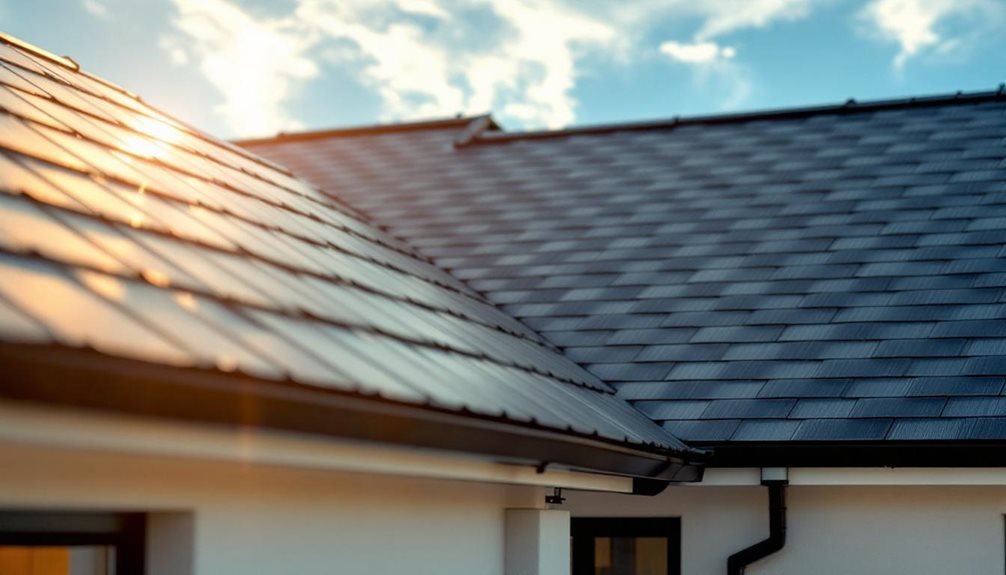
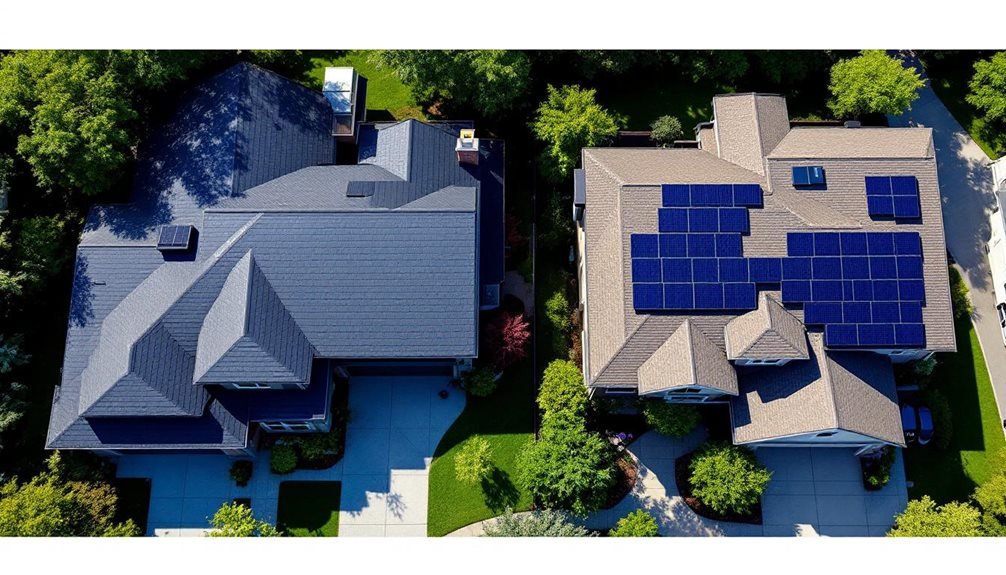
Tesla Solar Roof costs have exploded to around $106,000 in 2025—a staggering 170% jump since 2020 that makes those original $60,000-$80,000 estimates look like a cruel joke. Compare that to traditional solar panels plus roof replacement at roughly $40,000, and you’re paying nearly triple for Tesla’s sleek integrated tiles. Complex rooflines, mandatory full roof replacement, and specialized installers drive costs even higher, though federal incentives and 25-year warranties soften the financial blow somewhat. Despite the steep costs, many consumers are drawn to the aesthetic appeal and innovative technology of Tesla’s solar roof. A thorough tesla solar roof performance analysis 2025 reveals performance metrics that could justify the higher price point for some homeowners, as efficiency improvements and energy output continue to evolve. Nonetheless, potential buyers must carefully weigh the financial implications against the long-term benefits before making a decision. Additionally, potential buyers should carefully consider the Tesla wrap cost breakdown 2025, as the initial investment could significantly impact long-term savings on energy bills. While the aesthetic appeal and energy efficiency of the Solar Roof are often touted, it’s essential to weigh these benefits against the substantial upfront costs. Consumers might find that conventional solar options present a more budget-friendly alternative without sacrificing performance.
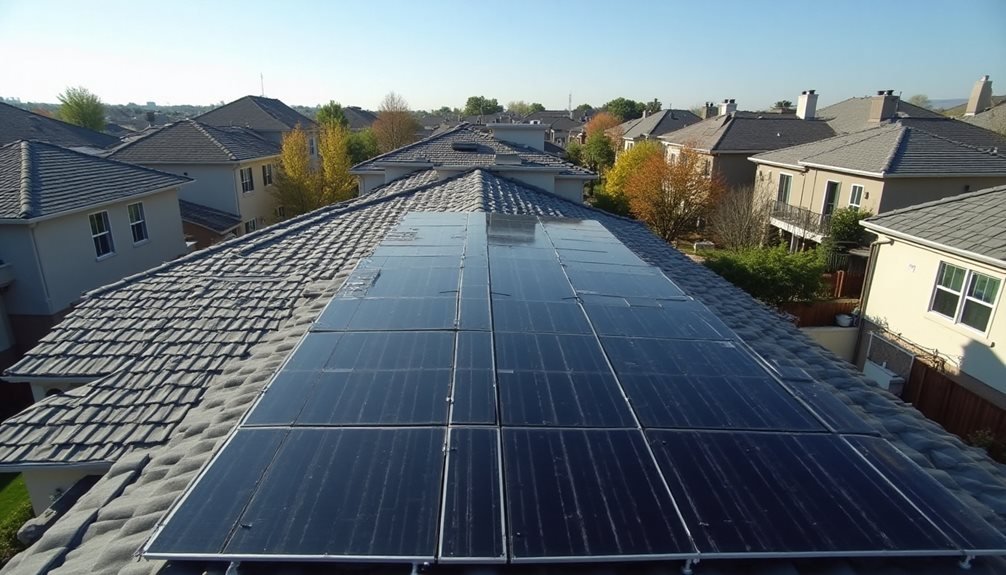
The Tesla Solar Roof isn’t exactly what you’d call budget-friendly. The average installation runs about $106,000 before incentives, which is roughly $15 per watt or $63 per square foot. That’s a far cry from the $60,000 to $80,000 range initially marketed for standard homes, though some recent studies peg the national average at $111,400. In addition to the Solar Roof costs, potential buyers should also consider the tesla wall charger installation price, which can further impact the overall budget. With additional expenses for the necessary equipment and installation, homeowners may find that the total investment for going solar with Tesla can quickly add up. Nevertheless, for those committed to sustainability, these costs may be justifiable in the long run.
Things have gotten markedly more expensive since 2020. We’re talking about a 170% price increase, with particularly nasty jumps after 2023. Tesla’s shift to third-party installers hasn’t exactly helped keep costs down either. Turns out those original estimates seriously underestimated material and labor costs once the company started scaling up production.
The numbers get truly sobering when you compare them to traditional solar. A Tesla Solar Roof costs around $106,000 versus $40,000 for regular solar panels plus a roof replacement. The solar-producing shingles themselves run about $35,000, while basic solar panels cost around $20,000. Even roof removal is pricier—$7,000 compared to $1,500 for traditional setups. The non-solar tiles and materials consume a staggering $64,000, compared to $18,500 for a regular roof. Just like with used Teslas, conducting a thorough remote diagnostic assessment before finalizing your Solar Roof purchase can help identify potential issues and unexpected costs.
Several factors determine the final price tag. Roof size directly impacts costs since you’re paying per tile and square foot. Complex rooflines with multiple tiers and angles increase labor expenses substantially. Simple rectangular roofs typically cost less than complex designs with ridges and overhangs. Your energy consumption affects system capacity, which influences component costs. Geographic location also matters, since regional labor and material suppliers vary widely. Certified installer skill comes at a premium, but Tesla requires specialized teams for the work.
The system does offer some persuasive long-term benefits. It can potentially offset 100% of household energy needs, and the integrated tiles provide extended roof longevity. Federal and state tax incentives help reduce upfront costs, while the aesthetic appeal could enhance property values during resale. Tesla provides three 25-year warranties covering product defects, power output guarantees, and weatherization protection. Additionally, the system integrates seamlessly with home energy management solutions, allowing for optimized energy consumption. For those considering an eco-friendly lifestyle, buying a tesla essentials can further elevate the sustainability of their home. This combination of innovation and practicality makes the investment not just viable but attractive for long-term energy independence.
Installation requires complete roof replacement—there’s no retrofitting here. Tesla relies on third-party installers since scaling back direct operations. Custom system design involves on-site evaluations to match kilowatt output to specific needs. Powerwall integration is available for those wanting energy storage, though that’s an additional investment.
Frequently Asked Questions
How Long Does Tesla Solar Roof Installation Typically Take?
Tesla solar roof installation takes 5-7 business days for small roofs, 14-28 days for large ones. That’s just the actual installation though.
The real kicker? You’ll wait 2-3 months from order to installation start.
Complex designs with more photovoltaic tiles take longer. Weather delays happen. Regional demand creates seasonal bottlenecks. Powerwall integration extends timelines.
Simple roofs move faster, naturally.
What Financing Options Are Available for Tesla Solar Roof Purchases?
Tesla offers two main financing paths for solar roof purchases. Cash buyers pay everything upfront at inspection, dodging interest charges and monthly payments entirely.
Solar loans require zero down payment, with first payments due 35 days after approval.
Both options include immediate ownership, full warranties, and federal tax credit eligibility.
Loan payments typically run lower than current electric bills.
Does Tesla Solar Roof Work During Power Outages?
Tesla Solar Roof shuts down during power outages without a Powerwall battery. That’s just how it works – no exceptions. The tiles don’t store energy independently, so they’re basically useless when the grid goes down.
Add a Powerwall though, and everything changes. The system disconnects from the grid, switches to backup power in under a second, and the roof can even recharge the battery during daylight hours.
What Warranty Coverage Does Tesla Provide for Solar Roof Tiles?
Tesla offers 25-year extensive coverage for Solar Roof tiles, protecting against manufacturing defects, design flaws, and weather damage.
The warranty includes power production guarantees—95% efficiency after five years, 85% after 25 years.
Tesla covers roof penetrations and weatherization against wind and rain intrusion.
However, inverters require separate warranties, and rapid shut-down devices aren’t included.
Installation must use certified Tesla installers for full coverage.
Can Tesla Solar Roof Be Installed on Any Roof Type?
Tesla Solar Roof can’t be installed on just any roof. Sloped roofs with asphalt, composite, or concrete tiles work fine.
Flat roofs? Completely excluded from Solar Roof installation.
Standing seam metal roofs need third-party mounting systems since Tesla doesn’t provide direct solutions.
Complex roof shapes with multiple peaks and valleys increase costs markedly.
Older roofs often fail structural requirements, and rolled asphalt gets rejected outright.