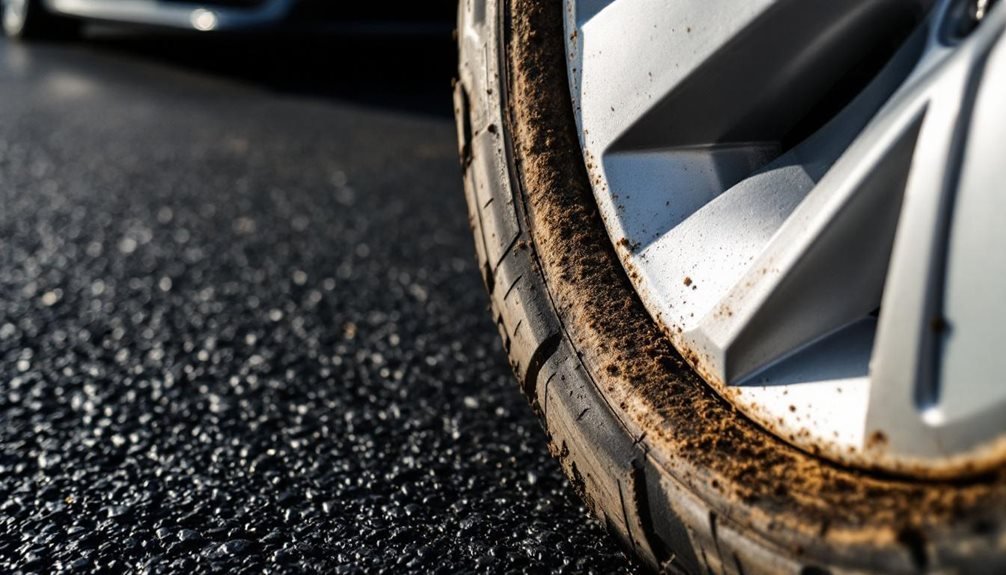
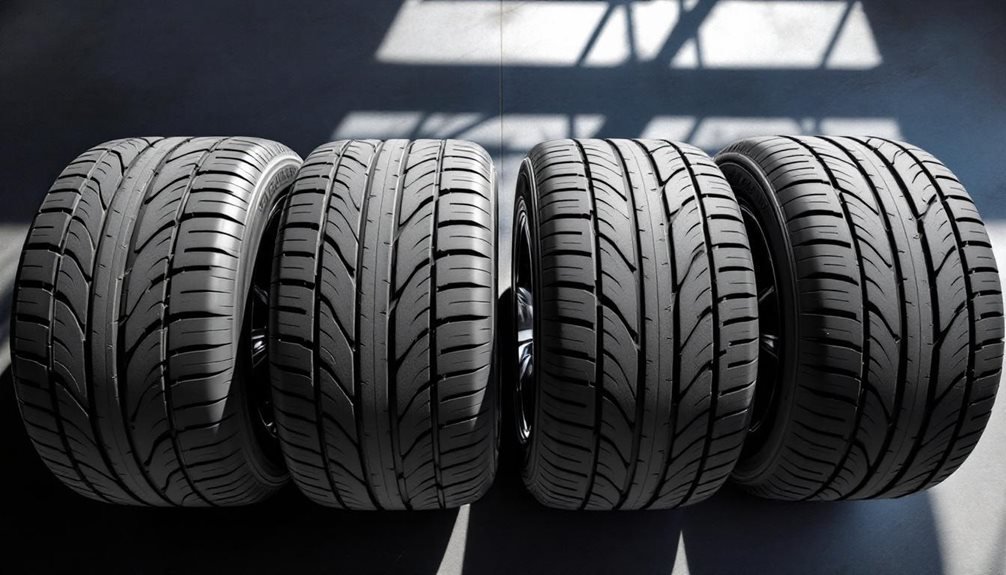
Tesla tires wear out fast because these electric beasts pack serious punch. The Model S Plaid cranks out 1,020 horsepower with instant torque that absolutely destroys rear tires. Add a hefty 1,600kg battery pack crushing down on the rubber, plus aggressive sport suspension with negative camber angles eating inner treads alive. Regenerative braking doesn’t help either, creating additional stress during energy recovery. It’s a brutal combination of power, weight, and performance-focused engineering that chews through tire rubber tirelessly. The complete depiction reveals even more factors.

Why are Tesla owners burning through tires like they’re made of butter? The answer isn’t rocket science, but it’s definitely about rockets—electric rockets with wheels.
Tesla’s performance models pack serious punch. The Model S Plaid cranks out 1020 horsepower and forces tire replacements every 5,000 miles. That’s not a typo. Meanwhile, regular gas cars cruise along with tires lasting 40,000 to 60,000 miles. Tesla owners? They’re lucky to see 15,000 to 30,000 miles before hitting the tire shop again.
Weight plays villain here too. A Model 3 tips the scales at roughly 1,600 kg, thanks largely to its hefty battery pack. All that bulk crushes down on tires, creating heat and friction that would make a pizza oven jealous. The battery doesn’t just add weight—it messes with suspension geometry, putting extra strain where it shouldn’t be.
Then there’s the instant torque surge. Electric motors deliver power immediately, not gradually like gas engines. Rear tires bear the brunt of this immediate power delivery, getting hammered every time someone floors it.
The Kwik Fit study found Tesla owners replace tires ten times more frequently than other drivers. Ten times.
Tesla’s sport suspension doesn’t help matters. Aggressive camber angles and negative camber settings cause uneven tread degradation, wearing inner edges faster than a pencil eraser in math class.
Air suspension settings can make this worse, altering camber angles and increasing inner wear risk.
Low-profile tires look sleek but crack under pressure—literally. They face structural vulnerabilities that standard tires don’t. EV-specific tires promise 50,000-mile lifespans, but tire engineers are still wrestling with the balance between performance and durability.
Driving habits accelerate the problem. Hard acceleration overwhelms tires. Aggressive cornering wears inner edges. Harsh braking transfers weight to front tires, intensifying demand. Road conditions don’t help either—potholes and rough surfaces knock alignment out of whack. Regenerative braking systems add another layer of complexity by placing additional stress on tires during energy recovery. Tesla’s Wi-Fi settings can also contribute to tire wear by enabling frequent over-the-air updates that affect power delivery and performance parameters.
Regular tire rotations, alignment checks, and moderate driving can help. Owners should also check their tire pressure frequently as proper maintenance remains essential for maximizing tire life and preventing premature failure. But fundamentally, Tesla’s combination of massive torque, heavy weight, and performance-oriented design creates a perfect storm for tire destruction. Regularly monitoring the tesla tire rotation frequency is crucial to maintaining optimal tire health. By adhering to the recommended schedule, owners can ensure even wear and prolong the lifespan of their tires. Additionally, investing in high-quality tires designed specifically for electric vehicles can further mitigate the wear caused by Tesla’s unique performance characteristics.
Frequently Asked Questions
Which Tire Brands Last Longest on Tesla Vehicles?
Continental’s ExtremeContact DWS06 leads the pack with a 60,000-mile warranty and AA traction ratings.
Pirelli’s P Zero Nero GT offers 40,000 miles of durability.
Goodyear’s ElectricDrive 2 uses EV-specific compounds to fight rapid wear.
Michelin’s Pilot Sport series delivers solid performance, though longevity varies.
These brands actually engineer tires for Tesla’s instant torque and hefty battery weight.
Smart choice matters here.
How Much Do Tesla Tire Replacements Typically Cost?
Tesla tire replacements hit wallets hard. Model 3/Y owners pay $35-$100 per tire, while Model S/X drivers shell out $90-$160 each. In addition to the high cost per tire, many owners face challenges in finding compatible replacement options that meet Tesla’s specifications. For those looking to budget for future replacements, it’s essential to consider the implications of these tesla tire pricing details when planning maintenance expenses. As electric vehicles continue to rise in popularity, these costs could impact overall ownership experiences.
Cybertruck owners get the worst deal – $500 per tire for those custom Goodyears with special sidewall cutouts.
Want off-brand alternatives? That’s $700 for a four-tire set.
Some protection plans exist, but they’re paid upfront.
Bottom line: those instant-torque dreams come with expensive rubber reality.
Does Tesla Warranty Cover Premature Tire Wear?
Tesla’s standard warranty doesn’t cover tire wear—normal or premature. That’s right, even if your tires wear out ridiculously fast, Tesla won’t help.
They offer separate paid protection plans for tire coverage, but the basic warranty excludes tires entirely.
Tire warranties come from manufacturers like Continental, not Tesla. Owners must file claims directly with tire companies, which reportedly deny many premature wear claims anyway.
Can I Use Non-Tesla Recommended Tires on My Vehicle?
Tesla owners can technically slap any tire onto their vehicle. Sure, go wild.
But non-Tesla tires often can’t handle the instant torque delivery that fries rear wheels faster than a cheap burger.
The heavy battery weight crushes tires not engineered for Tesla’s load specs.
Plus, mismatched tires might mess with regenerative braking systems.
Tesla’s warranty could also give you the cold shoulder if things go sideways.
How Often Should I Rotate Tires on My Tesla?
Tesla officially recommends rotating tires every 6,000-7,500 miles for most models.
The Model 3 manual suggests 6,250 miles, though some newer guidelines extend this to 10,000-12,000 miles.
Aggressive drivers should rotate every 5,000 miles.
Tesla’s instant torque hammers rear tires especially hard, so moving them forward is essential.
Check tread depth too—rotate if there’s a 2/32″ difference between tires.