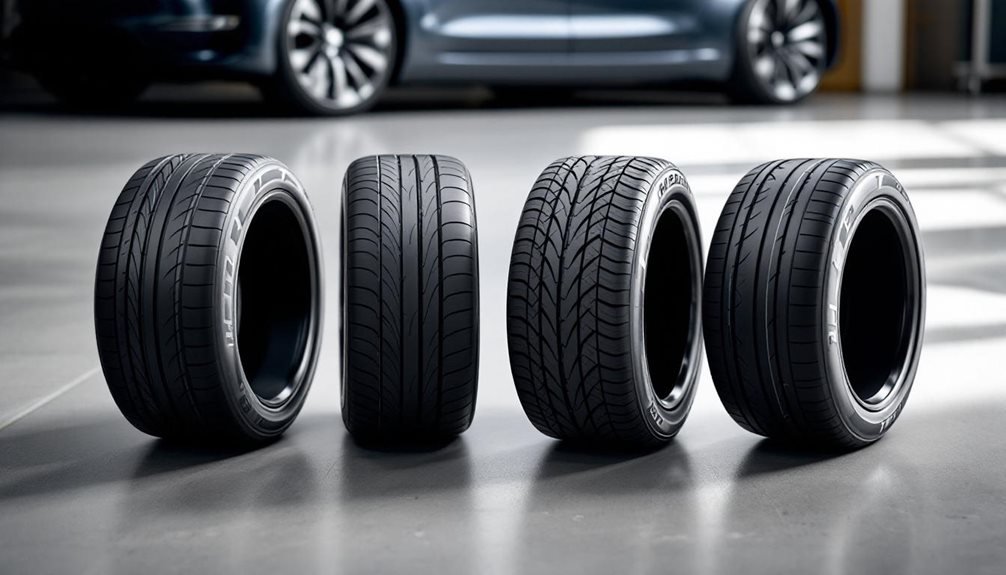
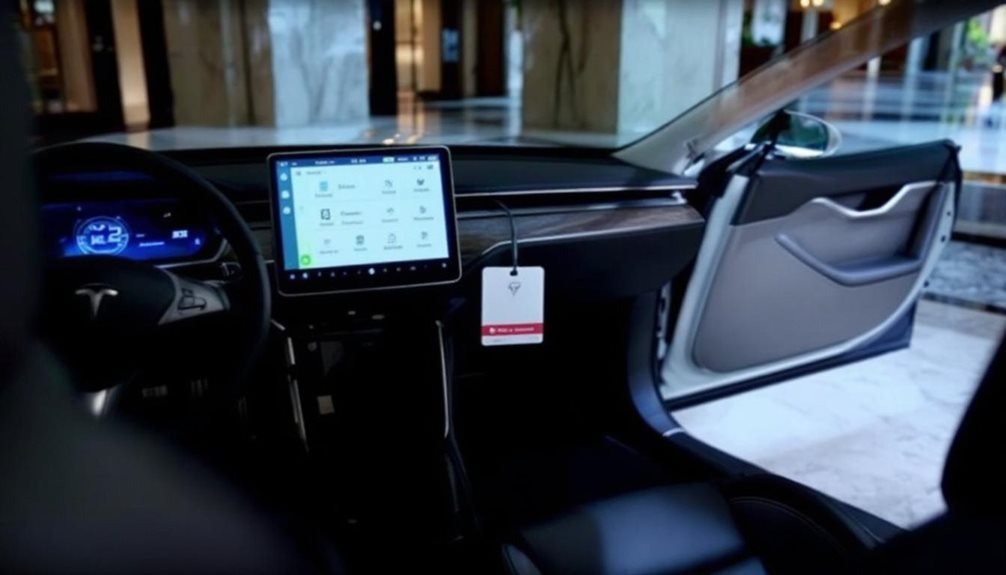
Tesla drivers get hit with a double whammy—specialized T-marked tires that cost markedly more than regular rubber. Premium brands like Michelin and Pirelli run $190 to $259 per tire, while mid-range options still demand $150 to $200 each. These aren’t your average tires either. They feature foam layers for noise reduction, extra-load ratings for heavy battery packs, and low rolling resistance for maximum range. The engineering comes at a price, and the full story reveals even more costly considerations. Additionally, owners must also consider the cost of maintenance and the potential need for specialized services, which can further inflate overall ownership expenses. As Tesla continues to innovate and enhance its vehicle offerings, many are curious about future trends, leading to interest in tesla wrap price estimates for 2025. This holistic view of ownership underscores the necessity for drivers to budget wisely before investing in a Tesla. In addition to the premium tire expenses, Tesla owners must also factor in other costs associated with their vehicles. For instance, the Tesla wall charger installation price details can vary significantly based on home wiring and electrician fees, adding another layer of investment for a seamless charging experience. Together, these expenses underscore the commitment required to own a Tesla, making it a significant financial decision for many drivers.

When Tesla owners need new tires, they quickly find this isn’t your grandfather’s tire shopping experience. Tesla uses T-marked tires specifically designed for electric vehicles, complete with drivetrain compatibility and performance optimization that regular tires simply can’t match. The T0 designation marks the first approved version, with subsequent updates improving everything from safety to durability.
Tesla’s T-marked tires aren’t just rubber—they’re engineered specifically for electric vehicle performance, efficiency, and safety standards that regular tires can’t deliver.
The price reality hits fast. Premium brands like Michelin and Pirelli run $190 to $259 per tire, while mid-range options from Continental and Hankook offer some relief at $150 to $200. That’s per tire, not the set. Ouch.
Tesla’s specifications are strict for good reason. These vehicles need tires that preserve range, handle the weight distribution properly, and maintain efficiency standards. Foam-layered construction reduces road noise since there’s no engine sound to mask the tire hum. It’s clever engineering, but it comes at a cost. Tesla deliberately avoids run-flat tires due to concerns about negatively impacting ride quality and electric driving range.
Popular choices include the Pirelli PZero AS Plus Elect at $190 per tire for excellent snow traction, or the Bridgestone Turanza EV at $259 per tire if efficiency and longevity matter more than your bank account. Original equipment tires from Continental and Michelin provide balanced performance but replacement costs still sting.
Winter presents its own challenges. Tesla recommends snowflake-symbol tires for temperatures below 40°F, and many owners maintain separate summer and winter sets. That doubles the investment upfront but improves year-round safety and efficiency. All-season tires compromise cold-weather performance despite their convenience.
The T-marking system allows quick verification of Tesla-approved models during replacement, while low rolling resistance remains critical for maximizing range. Acoustic foam integration combats cabin noise, and EV-specific construction includes stiffer sidewalls and flat contact patches for stability under the vehicle’s weight. Tesla-approved tires XL ratings are essential to safely support the added weight from heavy battery packs. Aggressive driving patterns increase wear rates significantly, requiring more frequent tire rotation and potentially earlier replacement schedules.
Climate and driving style matter notably. Southern climates can stick with all-season or summer tires year-round, while variable climates benefit from seasonal swaps. Performance enthusiasts gravitate toward summer tires for cornering stability, even though longevity suffers.
Comfort-focused owners prioritize acoustic foam technologies over outright performance. The Tesla Service Portal provides replacement recommendations for certified technicians, ensuring proper compatibility and performance standards. In addition to acoustic concerns, these owners often seek advice on optimizing their driving experience. For those interested in maximizing comfort without sacrificing performance, finding reliable sources can be invaluable. For instance, looking up “buying a tesla tips” can lead to important insights on maintaining the vehicle’s acoustic features while ensuring a smooth ride.
Frequently Asked Questions
How Often Should Tesla Tires Be Rotated for Optimal Performance?
Tesla officially recommends tire rotation every 6,000-7,500 miles for Model Y and 6,250 miles for Model 3. Sure, some sources throw around 10,000-12,000 miles, but Tesla’s own manuals stick to shorter intervals.
Many drivers play it safe with rotations every 5,000-6,500 miles. Here’s the kicker: rotate immediately if front and rear tread depth differs by more than 2/32 inches.
Can I Use Non-Tesla Branded Tires on My Tesla Vehicle?
Tesla owners can absolutely use non-Tesla branded tires on their vehicles. The catch? They better match the original specifications for load rating, speed rating, and size.
Non-EV tires might wear out 20% faster due to instant torque and battery weight. They’ll also likely create more cabin noise without acoustic foam technology.
Compatible options like Michelin ePrimacy work fine, just without the fancy T-markings.
Do Tesla Tires Come With Road Hazard Warranty Coverage?
Tesla tires don’t come with automatic road hazard coverage. Shocker, right? You have to buy their Wheel and Tire Protection Plan separately – it’s a one-time fee per tire that covers you for 12 months.
Prices range from $35 to $160 depending on your model and wheel size. The plan covers road hazards like potholes but excludes cosmetic damage, theft, and existing wear.
What Tire Pressure Should I Maintain for Different Tesla Models?
Tesla drivers should maintain 42 psi for Model 3s, though 45 psi works if range matters more than comfort.
Model S varies wildly – 45 psi for air suspension, 42 psi for coil suspension on 19-inch wheels.
Staggered setups get complicated fast.
Model Y and X owners need to check their door pillar labels because Tesla apparently couldn’t standardize anything.
Monthly pressure checks prevent headaches later.
Are Tesla Tire Replacements Covered Under the Vehicle’s Main Warranty?
Tesla’s main warranty doesn’t cover tire replacements for wear or damage. Period. That’s explicitly excluded, along with maintenance costs like rotations and alignments. It’s important for owners to be aware of these limitations when considering the long-term upkeep of their vehicles. For comprehensive understanding, it’s advisable to review the tesla vehicle warranty details thoroughly. This ensures that you are fully informed about what is included and what responsibilities fall on you as the owner.
Road hazard damage from potholes or debris? Also not covered unless you buy their separate Wheel and Tire Protection Plan.