
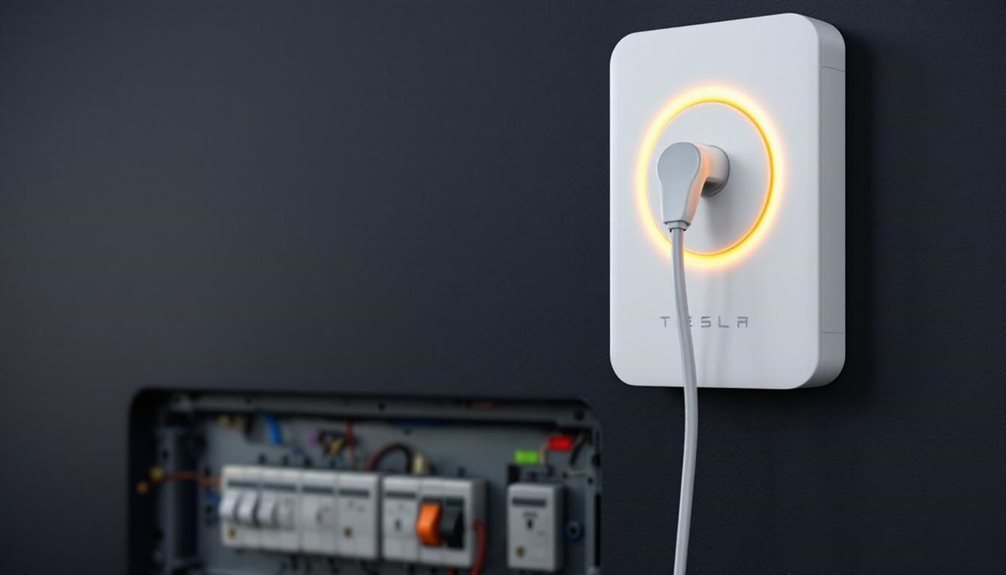
Tesla Wall Connector installation typically costs $1,000 to $2,500 for most homeowners. The unit itself runs $400-$600, while installation adds another $500-$1,700. Older homes often need electrical panel upgrades, pushing costs toward $5,000. Distance from your electrical panel matters—longer wiring runs mean higher bills. Underground trenching for garages? That’s expensive. Tesla quotes usually range $1,000-$1,500, though independent contractors vary widely. Hidden electrical surprises love appearing mid-project, because apparently houses enjoy keeping secrets about their wiring.
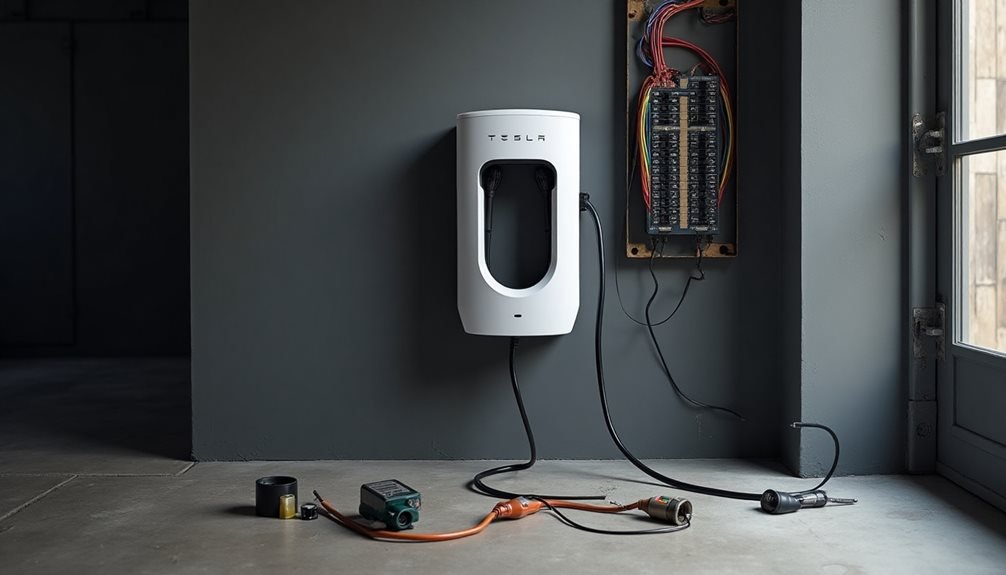
Most Tesla owners face a wallet-shocking reality when they start researching home charging installation costs. The Tesla Wall Connector itself runs $400 to $600, which sounds reasonable enough. However, when they factor in the additional expenses of electrical upgrades and professional installation, the total price can rise significantly. As experts predict, with the rise of electric vehicles, we can also expect to see changes in tesla wrap pricing in 2025. This combination of upfront costs and potential future expenses creates a significant financial consideration for new Tesla owners.
That $500 Tesla Wall Connector seems affordable until the $1,700 installation bill arrives at your doorstep.
Then comes the professional installation bill: another $500 to $1,700. Suddenly, that “simple” home charger project balloons to $1,000-$2,500 total.
But wait, there’s more. Complex installations can hit $5,000 when extensive electrical work enters the picture. Older homes often need panel upgrades, extended wiring runs, or structural adjustments.
That cute 1950s ranch house? It probably wasn’t designed for today’s electrical demands.
The Wall Connector requires a dedicated 240V circuit. No shortcuts, no sharing with the dryer. This isn’t negotiable.
Distance matters too – longer cable runs from the electrical panel mean higher material and labor costs. Some homeowners uncover their dream garage location sits far from their electrical panel. Oops. Trenching costs increase significantly when underground wiring routes become necessary for distant installation sites.
Tesla provides installation quotes ranging $1,000-$1,500 for typical scenarios. Independent contractors quote anywhere from $499 to $1,700, depending on location and complexity. When considering installation costs, it’s essential to factor in any additional expenses that may arise from specific site requirements. Many customers find that buying a Tesla essentials, such as charging equipment or special permits, can also influence the overall expense. Ultimately, budgeting for these variables will help ensure a smooth installation process.
The catch? These quotes often exclude hidden electrical requirements that surface mid-project. Panel upgrades alone cost around $500.
The Wall Connector charges up to 44 miles per hour and includes Wi-Fi connectivity for app control.
Tesla vehicles come with a Mobile Connector for basic 120V charging, but that’s painfully slow. NEMA adapters ($35-$45) allow charging at non-Tesla stations, though compatibility varies. For faster charging, it’s advisable to invest in a dedicated wall connector or utilize a Level 2 charging station. Additionally, understanding common issues can enhance your charging experience, and resources for troubleshooting tesla charging issues are widely available online. This knowledge can help you quickly resolve problems and maximize your vehicle’s charging efficiency. For those looking for faster charging, Tesla offers a range of destination chargers that significantly reduce charging time. A comprehensive tesla destination charging overview outlines the benefits and locations of these chargers, which are available at hotels, restaurants, and other venues. Utilizing these options can enhance your travel experience while ensuring your vehicle remains charged and ready for the road.
Home charging beats public options financially. Electricity runs $0.13-$0.16 per kWh at home versus $0.14-$0.39 at Superchargers.
Annual savings reach $500-$700 compared to exclusive public charging, which can cost $1,000-$2,300 yearly.
Public charging offers flexibility for road trips but lacks cost efficiency for daily use.
Solar integration maximizes the investment by reducing grid dependency. The system includes safety features like locking mechanisms and weather-resistant cable organizers ($35).
Installation meets electrical codes and includes necessary permits and inspections within contractor pricing. Licensed contractors ensure code compliance and handle required electrical permits to protect homeowners and maintain proper insurance coverage.
The upfront shock gives way to long-term convenience. Overnight charging eliminates station wait times and range anxiety.
Just don’t expect bargain-basement pricing for professional installation.
Frequently Asked Questions
How Long Does Tesla Wall Charger Installation Typically Take?
Tesla wall charger installation typically takes 2-3 hours for basic setups. Simple is fast, complicated isn’t.
Advanced configurations with panel upgrades can stretch to 7+ hours because electricity doesn’t mess around.
Most standard single Wall Connector installations wrap up under 5 hours.
Long wire runs, trenching for underground cables, and panel upgrades eat time.
Permits and inspections add waiting periods.
Smart move? Schedule installation before your Tesla arrives.
Do I Need a Permit for Tesla Wall Charger Installation?
Yeah, permits are basically mandatory for Tesla Wall Charger installations in most places. Local codes don’t mess around with electrical work. Licensed contractors have to pull permits to stay compliant with the National Electrical Code.
Skipping permits? That’s a gamble with insurance coverage and potential fines. Costs vary wildly by location – some California cities tack on extra EV fees.
The paperwork protects everyone when something goes wrong.
Can I Install a Tesla Wall Charger Myself?
Installing a Tesla wall charger yourself isn’t technically impossible, but it’s legally dicey and potentially dangerous. The work involves 60-amp circuits, 240V systems, and specialized tools like torque wrenches.
Most locations require permits for electrical panel modifications. Professional installations cost $500-$2,500, but DIY mistakes can void warranties, cause fires, or violate local codes.
Tesla maintains certified installer directories for good reason.
What Electrical Panel Requirements Are Needed for Tesla Wall Charger Installation?
Tesla wall chargers demand specific electrical panel requirements. A 200A minimum service is typically needed to handle existing household loads plus the charger.
The total load can’t exceed 80% of panel capacity.
Dedicated breaker space is essential—no combining with existing circuits.
A dual-pole 240V breaker, usually 40A or 60A, must match the panel manufacturer.
Load assessment determines if upgrades are necessary.
Will Tesla Wall Charger Installation Void My Home Warranty?
Tesla wall charger installation won’t void home warranties if done properly. The catch? Using non-certified contractors or skipping permits absolutely can. Tesla’s equipment warranty ties directly to proper installation following their guidelines.
Insurance companies and warranty providers care about code compliance, inspections, and documentation. Skip the commissioning process or hire unlicensed electricians, and warranty coverage becomes questionable.
Certified installers protect both equipment and home coverage.