
Tesla’s white seats look gorgeous until reality hits. Denim transfer, coffee spills, and everyday dirt turn that pristine interior into a stained mess fast. Clean immediately with vegan leather-specific cleaners and microfiber cloths, never harsh chemicals or bleach. Monthly deep cleaning prevents stain penetration, while sealants like Hide Seal block denim transfer. Apply UV protectants annually and condition every few months. Test any product first to avoid permanent damage. These basics barely scratch the surface. Additionally, maintaining the exterior is just as crucial, particularly when it comes to preserving the visibility through your Tesla’s windows. Incorporating tesla windshield cleaning techniques can ensure that dirt and grime don’t accumulate, leading to a clearer view and enhanced safety. Remember to use non-abrasive cloths and specialized glass cleaners to avoid scratches and maintain that sleek look.
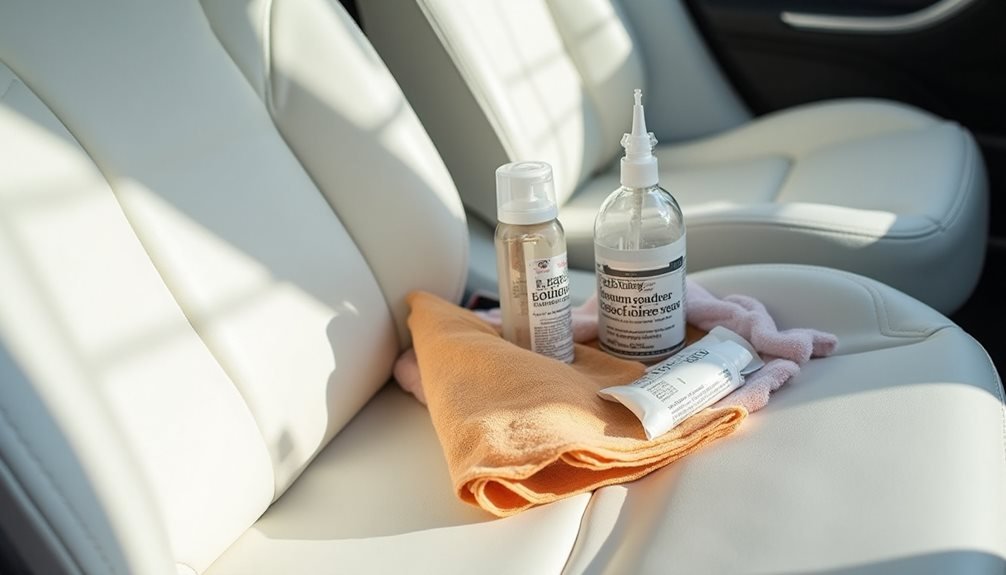
While Tesla’s white seats look absolutely stunning in showroom lighting, owners quickly find they’re basically magnets for every stain imaginable. Dirt buildup accumulates faster on white surfaces, and that pristine interior becomes a maintenance nightmare faster than most people expect.
White Tesla seats transform from showroom perfection to stain-collecting nightmares faster than owners anticipate.
The key to keeping these seats decent involves dedicated leather cleaners specifically formulated for vegan leather. Microfibre cloths are essential for gentle cleaning and wiping residue post-treatment. For minimal dirt, a damp microfibre cloth using warm water does the trick. Those wanting a chemical-free alternative can use diluted Castile soap at a 1:3 ratio with water. Whatever approach owners choose, harsh pressure during cleaning will damage the material.
Common stains tell their own horror stories. Denim transfer requires frequent cleaning and sealing to prevent discoloration. Food and drink spills demand immediate attention with warm water and mild soap. Friction stains from clothing can be mitigated by applying leather cleaner and using a brush. Chemical residues from sunscreen or cleaning agents must be wiped away promptly to avoid permanent stains.
Protection methods make the difference between decent-looking seats and disasters. Sealants like Hide Seal prevent denim transfer and extend seat longevity. UV protection prevents fading, especially in regions with intense sunlight. Seat covers provide additional protection and help maintain that pristine appearance for much longer periods. Conditioning products restore moisture and suppleness to vegan leather every few months.
The maintenance schedule is straightforward but demanding. Daily requirements include wiping spills immediately. Weekly spot-cleaning of high-touch areas with microfibre cloths keeps things manageable. Monthly deep cleaning with leather cleaner prevents stain penetration. Every three to six months, conditioning maintains softness. Annual treatments with UV protectants handle complex staining issues. Just like Tesla’s certified installer program requires dedicated training, maintaining white seats demands consistent commitment to proper care techniques.
Certain products will destroy these seats completely. Alcoholic cleaners degrade synthetic leather over time. Bleach-containing compounds discolor and weaken the material. Harsh detergents strip natural oils from vegan leather. Physical abrasives damage surfaces permanently.
Preparation steps matter enormously. Pre-cleaning removes surface dirt before applying sealants or conditioners. Following strict dilution ratios prevents over-concentration damage. Using separate cloths for cleaning and drying prevents moisture buildup. Testing patches on hidden seat sections first prevents catastrophic mistakes. After applying any protective coating, owners should wait 24 hours before using chemical-free water wipes for ongoing maintenance.
Frequently Asked Questions
How Often Should I Clean My Tesla White Seats?
Tesla owners should spot-clean their white seats daily with microfiber cloths and water.
Weekly sanitization hits high-contact areas like armrests.
Every two weeks calls for deeper cleaning with non-detergent soap and soft brushes.
The real commitment? Full deep cleaning and conditioning every three to four months using specialized products.
White seats demand attention.
Skip the routine, and those pristine seats become a embarrassing reminder of neglect.
Can I Use Household Cleaners on Tesla White Seats?
Yes, but not all of them. Castile soap mixed with water works fine. So does diluted dish soap. Warm water alone handles minor dirt.
Baby wipes without alcohol are solid for quick cleanups. But here’s the thing – alcohol-based cleaners will wreck the material. Bleach destroys pigment. Harsh detergents contain corrosive agents that damage synthetic materials. Fragrances leave residues. Abrasive disinfectants weaken flexibility over time.
Do Tesla White Seats Stain More Easily Than Black Seats?
Tesla white seats don’t actually stain more easily than black ones. They’re made from the same polyurethane material.
The real difference? White seats make every stain painfully obvious. Blue jean dye, sunscreen, spilled coffee – it all shows up like a neon sign.
Black seats hide the same stains, creating a false sense of cleanliness.
What’s the Best Way to Prevent Cracking in Tesla White Seats?
Cracking happens when Tesla’s white seats get too dry and brittle. Regular conditioning keeps the material supple—think of it like moisturizer for leather.
UV rays are the real enemy here, causing seats to dry out and crack over time. Park in shade when possible, use UV protection sprays, and apply ceramic coatings for moisture retention.
Skip harsh chemicals that strip natural oils. Consistent conditioning beats expensive repairs.
Are Tesla White Seats Made of Real Leather or Synthetic Material?
Tesla white seats are synthetic, not real leather. The company ditched genuine leather in 2021, going full vegan across all models.
It’s a proprietary synthetic blend made from plastic and plant-based materials that mimics leather’s texture. Tesla calls it “vegan leather” – fancy marketing speak for fake leather.
The move was driven by ethics and environmental concerns.
No cows were harmed in making these seats.