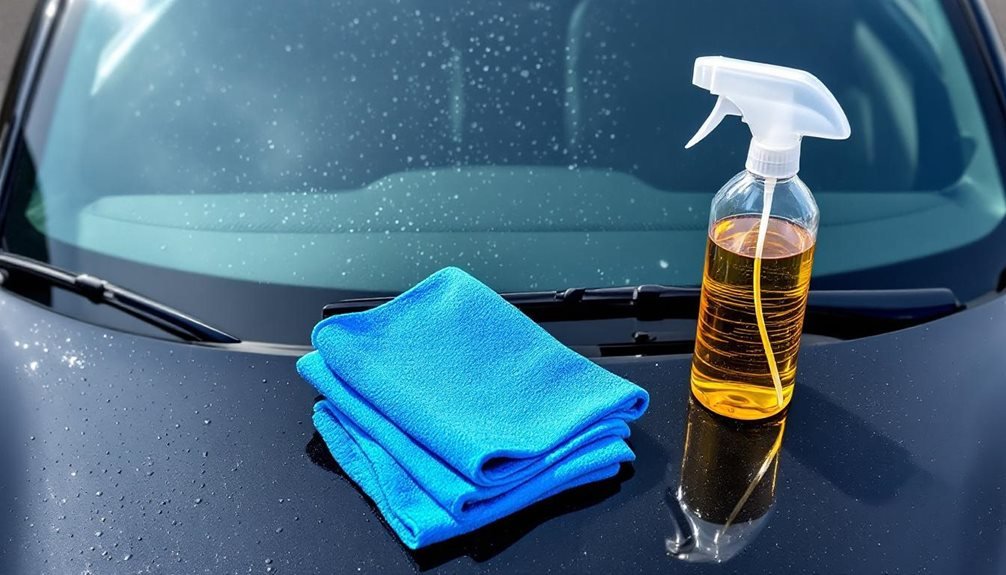
Tesla windshield cleaning requires the right products and technique to keep those finicky auto-wipers and cameras functioning properly. Use dedicated auto glass cleaners like RainX, Zep, or Invisible Glass with microfiber towels, wiping horizontally then vertically for streak-free results. Clean camera-facing glass with isopropyl alcohol wipes since dirty sensors mess with autopilot functionality. The beta auto-wiper system sounds fancy but still needs manual override during testing. Proper maintenance techniques reveal additional tricks for maximum visibility.
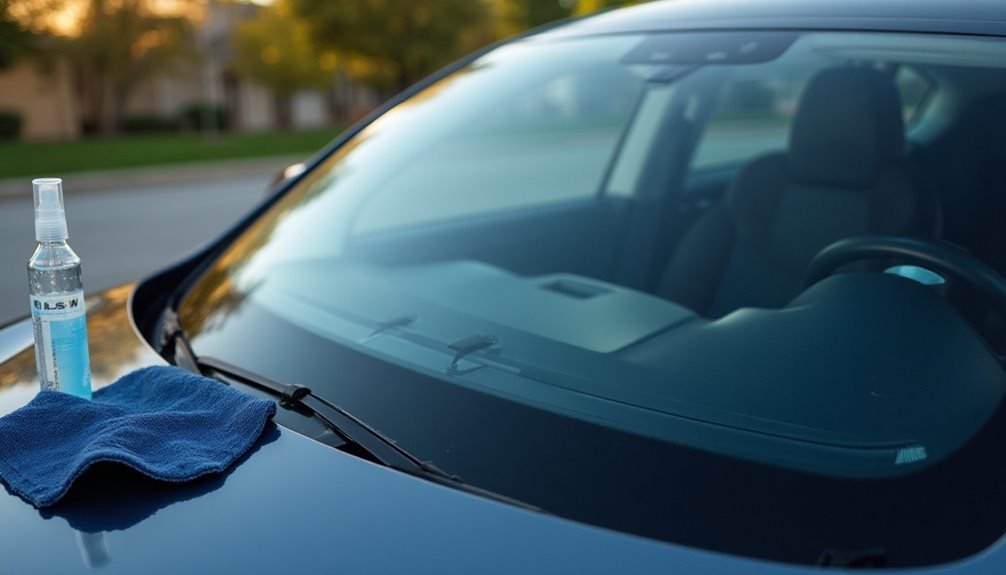
Why do Tesla owners find themselves constantly battling streaky windshields and malfunctioning auto-wipers? The answer lies in Tesla’s beta auto-wiper system and the fact that most people clean glass like they’re washing dishes.
Tesla’s automated wiper system adjusts speed and frequency based on environmental conditions. Sounds great in theory. In practice, it’s still in beta, which means manual manipulation becomes necessary during testing. When Autosteer engages, it forces wipers into Auto mode, overriding manual settings entirely. Pressing the wiper button temporarily increases sensitivity while in Auto mode, and voice commands can adjust speed and frequency.
Tesla’s beta auto-wipers sound impressive but require constant manual override, especially when Autosteer forces them into problematic Auto mode.
The real culprit behind poor visibility isn’t just the wipers—it’s dirty glass and worn blades. Wiper blades must stay free from debris and damage for ideal functionality. Ice needs manual removal before wiper use to avoid blade deterioration. Cold climates require checking blades to prevent freezing and adhesion to glass. Replace damaged blades immediately or risk scratching the windshield.
Proper cleaning technique makes all the difference. Auto glass cleaners like RainX, Zep, or Invisible Glass deliver streak-free results when used correctly. Apply cleaner thickly for heavy contaminants like bug splats and grit. Microfiber towels reduce streaks compared to traditional methods. The technique matters: wipe horizontally, then vertically, before buffing with dry microfiber. For a cost-effective alternative, dissolve washer tablets in a gallon of water to create DIY windshield washer fluid that works effectively on bug splats and general cleaning needs.
Camera refinement requires precision cleaning with isopropyl alcohol wipes for camera clarity. Zep, Invisible Glass, or Wurth cleaners work best for camera-facing glass. Lint-free microfiber towels prevent residue on inboard surfaces. LED flashlights help inspect for streaks or imperfections after cleaning. Regular interior windshield cleaning maintains camera functionality. The touchscreen wiper menu appears when you press the steering wheel wiper button for quick setting adjustments. Tesla provides specialized tools and training to certified installers who handle complex automotive glass systems and sensor integration.
Safety guidelines prevent costly mistakes. Fully close the hood before activating wipers to prevent damage. Avoid blade movement if frozen to glass to prevent rubber tears. Clean interior camera glass periodically to preserve sensor accuracy.
Regional product availability varies. Techspray 99% IPA wipes suit global cleaning needs. ZEP and Invisible Glass availability varies by region. Wurth Glass Cleaner serves European markets with specific variants for China. Microfiber towels come in 6- or 120-packs. Substitute lint-free alternatives if official Tesla products aren’t available.
Frequently Asked Questions
Can I Use Regular Windshield Washer Fluid in My Tesla?
Tesla owners can’t just grab any windshield washer fluid off the shelf. The company requires Tesla-approved fluids to maintain warranty coverage. Regular fluids might work, but they risk voiding protection.
In Europe, Middle East, and Africa, methanol-based fluids are banned outright. Ethanol alternatives are mandatory there.
Tesla sells approved fluids with specific part numbers like 1508086-99-A. Playing it safe beats sorry later.
How Often Should I Replace Tesla’s Cabin Air Filter for Cleaner Glass?
Tesla recommends replacing cabin air filters every 2 years or 20,000 miles for standard filters, 3 years for HEPA versions. But here’s the thing – dirty air means more particles settling on glass surfaces.
Live somewhere dusty or pollen-heavy? Drop that interval to 12,000 miles.
Clean filters mean cleaner cabin air, which translates to less grime accumulating on windshield interiors. It’s basic cause and effect.
Does Tesla’s Autopilot Work Better With Professionally Cleaned Windshields?
Tesla claims professional cleaning helps Autopilot performance, but they won’t publish actual data comparing it to DIY methods.
Professional services avoid contamination pitfalls like wax residue and streaking that can mess with camera sensors.
DIY cleaning risks scratching anti-reflective coatings or leaving chemical residue.
The real issue? Maintaining optical clarity consistently.
Professional cleaning might preserve glass curvature better for sensor calibration, but Tesla stays mysteriously quiet about concrete performance metrics.
Are There Specific Microfiber Cloths Recommended for Tesla Glass Cleaning?
Tesla-specific microfiber kits exist with three removable towels designed for panoramic glass surfaces.
These cloths are engineered to reduce streaking and prevent dust retention.
Chemical-free, high-absorbency microfibers work best since alcohol-based cleaners can damage rubber seals.
Lint-free, ultra-fine textures prevent scratches on sensitive glass.
Separate glass-specific cloths from other cleaning supplies to avoid cross-contamination.
Replace when fraying occurs.
Can Extreme Weather Damage Tesla’s Windshield Washer System Permanently?
Extreme weather absolutely can wreck Tesla’s washer system permanently. Freezing temperatures cause washer fluid to expand, cracking reservoirs and killing pumps. Floodwater infiltrating electrical components beyond the battery enclosure spells doom. Storm debris clogs nozzles while excessive water pressure strains motors and linkages.
The low center-of-gravity design helps stability but won’t save you from water intrusion damage. Weather-resistant seals aren’t waterproofing.