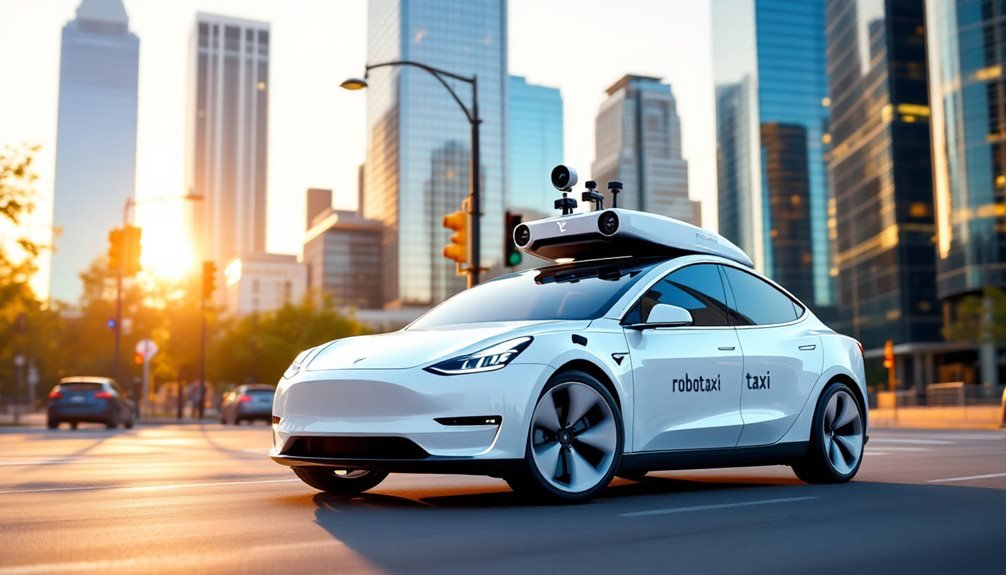

Ambition meets reality as Tesla’s long-awaited robotaxi service finally hits the streets of Austin, Texas. The electric car maker launched its autonomous ride-hailing program on June 22, 2025, marking the end of nearly ten years of promises about self-driving technology. Just six days later, Tesla achieved another milestone when it delivered its first fully autonomous vehicle from the factory directly to a customer’s home.
The rollout isn’t as grand as some expected. Tesla’s fleet consists of only 10 to 20 Model Y vehicles with “Robotaxi” branding on their doors. These cars can’t travel throughout Austin either. They’re restricted to specific geofenced zones within the city. That’s a far cry from the citywide service many anticipated.
Tesla chose Austin for good reason. The company moved its headquarters there from California in 2021. Now the Texas city serves as the testing ground for Elon Musk’s robotaxi dreams. But Tesla faces stiff competition. Waymo, owned by Google’s parent company Alphabet, already completes 250,000 paid trips every week. Tesla’s entering the race years behind its main rival.
Safety concerns shape every decision about the service. Musk described the company’s approach as “super paranoid about safety.” This cautious strategy explains why the cars operate only in limited areas. It also means expansion might take longer than investors hope. The company hasn’t announced when the service will spread beyond Austin’s controlled zones.
Not everyone can hail a Tesla robotaxi yet. The company sent early access invitations mainly to Tesla investors and enthusiasts. These selected riders test the new Robotaxi mobile app and provide feedback during this pilot phase. Regular customers must wait for broader availability.
Market analysts call 2025 a make-or-break year for the robotaxi industry. Tesla’s small fleet and limited operating area suggest the company’s playing catch-up rather than leading the pack. While the launch represents progress, investors must weigh whether Tesla can scale quickly enough to compete with Waymo’s established operations. The company’s conservative rollout strategy prioritizes safety over speed, which could affect its ability to capture market share.