
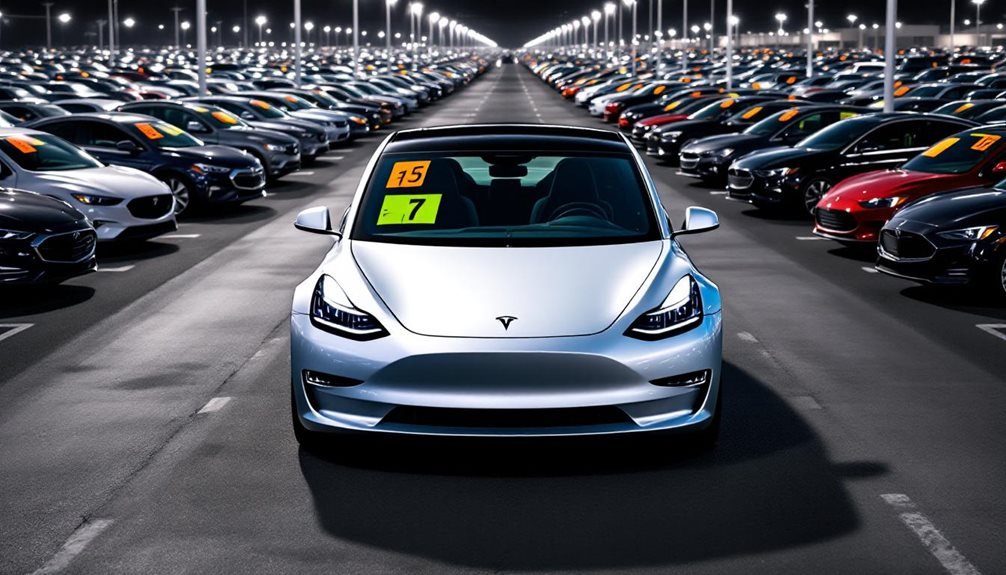
Breaking with its typical slow-and-steady approach, Tesla launched its robotaxi service in Austin on June 22, 2025, two months before new state regulations take effect. The company’s rushed timeline has surprised industry watchers who’re used to Tesla’s extended testing phases before releasing new technology to the public.
The Austin service isn’t open to everyone. Tesla’s only inviting social media influencers, Full Self-Driving beta testers, and select investors to try the rides. The company’s running 10 to 20 modified Model Y vehicles in specific areas of Austin between 6 AM and midnight. Each car must have a safety monitor sitting in the front passenger seat, though they don’t drive the vehicle.
Texas lawmakers had asked Tesla to wait until September 1, when new autonomous vehicle rules become official. The regulations were signed just two days before Tesla’s launch. By starting early, Tesla’s operating in a gray area that’s created operational limits. Passengers can’t sit in the driver’s seat, and the safety monitors must stay in front.
Tesla’s also running robotaxis in California’s Bay Area, covering an 80-mile zone from San Francisco to San Jose. But there’s a key difference – California requires an actual safety driver behind the wheel because Tesla doesn’t have the right permits for fully driverless operations. Unlike competitors such as Waymo that use lidar sensors, Tesla’s autonomous system relies solely on cameras and AI to navigate roads.
The company has big plans for expansion. Tesla says it wants to offer robotaxi service to half the U.S. population by year’s end. Job postings show they’re hiring vehicle operators in Brooklyn, Houston, Dallas, Tempe, Las Vegas, Tampa, Clermont, and Miami. They’re also looking at operations in Nevada, Arizona, and Florida. CEO Elon Musk predicts millions of Teslas will operate fully autonomously by the second half of next year.
Safety systems include remote support teams that can help when technical problems happen. One incident during the early rollout needed remote team intervention. The cars also have kill switches for emergency stops.
Tesla’s trying to keep some information private. The company blocked TechCrunch’s public records request with the Texas Department of Transportation and attempted to stop Austin from releasing city records. This secrecy contrasts with Tesla’s usually open communication style, adding another unusual element to this surprisingly quick robotaxi launch.