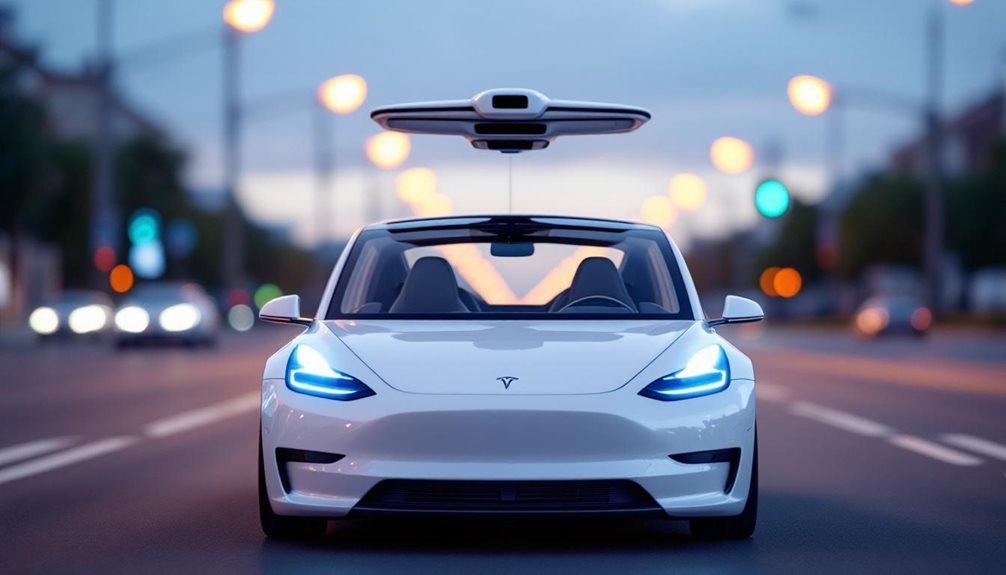
Tesla’s self-driving car service just got a major enhancement that could change how millions of Americans travel. The Texas Department of Licensing and Regulation granted Tesla a permit to operate robotaxis without any human safety drivers. This approval lets Tesla’s cars drive themselves completely until August 2026.
The permit covers all of Texas, not just Austin where Tesla first tested its robotaxis. Tesla can now send its self-driving cars to Dallas, Houston, and other Texas cities. The company doesn’t need anyone sitting in the driver’s seat anymore. Instead, workers monitor the cars from Tesla’s operations centers using computers.
Tesla’s expansion isn’t stopping at Texas. The company’s already testing driverless cars in Miami. New job postings show Tesla plans to launch in New York, Nevada, Arizona, and Florida soon. Right now, only invited customers can use the robotaxi service in Texas and California. But that’s changing next month when Tesla opens the service to everyone.
The technology behind Tesla’s robotaxis is getting a massive upgrade. Next month, Tesla will release Full Self-Driving version 14. This new software has ten times more computing power than the current version. Tesla’s Austin cars already run software that’s six months ahead of other cities. A recent July update added new features like Light Sync, which helps cars communicate with traffic signals.
Elon Musk told investors during July’s earnings call that Tesla’s robotaxis could serve half of all Americans by the end of 2025. That’s an ambitious goal that depends on getting approval from each state’s regulators. Tesla’s rapid progress happened less than two months after launching its robotaxi service.
The competition’s heating up between Tesla and Waymo, which operates robotaxis in Austin through Uber. While Waymo must follow city-specific rules, Tesla’s permit covers the entire state of Texas. This gives Tesla an advantage in reaching more customers faster.
Tesla’s push to eliminate human drivers represents a significant shift in transportation. With public access starting next month and aggressive expansion plans, the company’s betting that Americans are ready to trust computers to drive them around completely on their own. The autonomous driving technology has demonstrated impressive safety metrics, with Autopilot-equipped vehicles experiencing crashes only every 7.44 million miles compared to human drivers who crash approximately every 702,000 miles.