
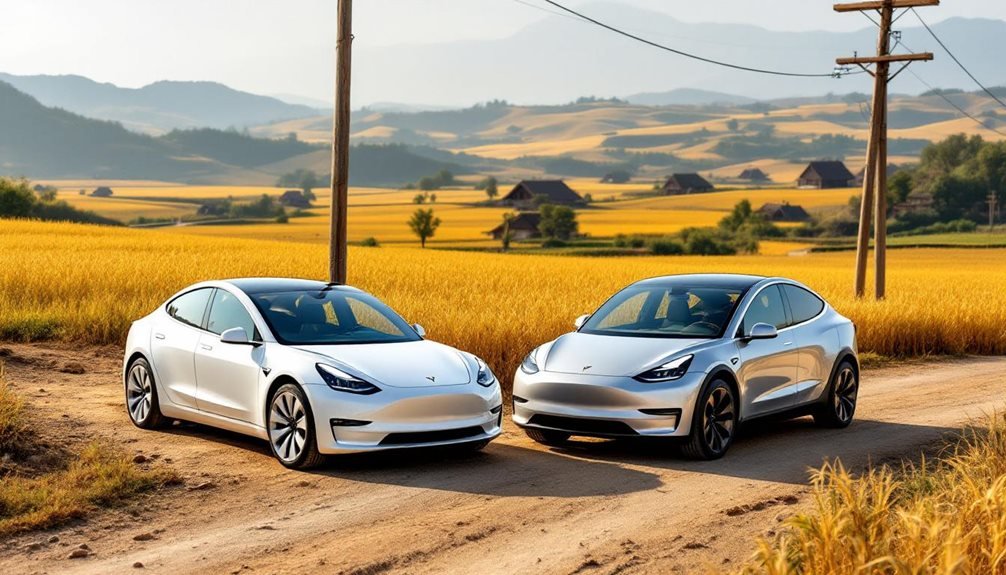
While Tesla’s electric vehicles have made the company a leader in clean transportation, investors are now questioning whether the automaker can deliver on its ambitious green energy promises. The company’s stock has shown extreme volatility in recent months, reflecting growing doubts about Tesla’s future direction. Investors are closely watching the market for signs of stability, particularly as Tesla Model Y benefits emerge, demonstrating the vehicle’s popularity and functionality. This model’s combination of efficiency and performance could play a crucial role in restoring investor confidence, highlighting the company’s potential to maintain its position at the forefront of the electric vehicle revolution. However, uncertainties surrounding supply chain challenges and competition from established automakers continue to cloud the outlook. Many analysts believe that maintaining confidence in Tesla’s expanding business model will be crucial for the company’s long-term success. Furthermore, the firm’s ability to innovate and diversify beyond electric vehicles will play a significant role in its sustainability and profitability. As competition in the clean energy sector intensifies, investors remain vigilant in monitoring Tesla’s strategic moves and execution.
Tesla’s stock volatility reflects investor doubts about the company’s ambitious green energy promises amid strategic uncertainties.
In June 2025, Tesla’s stock dropped nearly 20% from its May peak of $367.71 to a low of $295.14 before recovering to $348.68 by June 23.
The volatility continued into July when the stock plunged 7% on July 7. This decline came after CEO Elon Musk announced the creation of an “America Party” and federal regulators began probing Tesla’s robotaxi safety issues.
The company faces mounting obstacles in its core electric vehicle business. European EV sales dropped 40% in May 2025, sparking fears of market saturation. Tesla’s also experiencing slower vehicle deliveries than expected, while Chinese competitors increasingly threaten its global dominance. Additionally, the company is grappling with apple carplay integration challenges, which have hindered its ability to attract tech-savvy consumers who prioritize advanced connectivity features. As a result, customer demand is waning, further complicating its efforts to regain momentum in a competitive market. Without innovation and strategic adaptations, the outlook for Tesla could become increasingly precarious.
Traditional automakers are gaining ground with plug-in hybrid vehicles, adding more pressure.
Adding to investors’ confusion, Tesla might be shifting toward hydrogen fuel cells by 2025. This represents a major change since Musk previously called hydrogen “the most dumb thing.” If implemented, this technology would address key BEV limitations like long charging times and range anxiety that currently frustrate consumers.
German Federal Research Minister Anja Karliczek has been advocating for green hydrogen’s role in climate protection. However, Tesla hasn’t confirmed any hydrogen vehicle development timeline.
Analysts remain divided on Tesla’s prospects. Some see long-term potential in the company’s electric vehicle and artificial intelligence leadership. Others worry about project delays and execution risks.
The company’s robotaxi rollout faces safety probes and regulatory challenges. Its energy storage business hasn’t met expectations either. Tesla’s planned rollout of new models including the Model Y refresh and Cybertruck in 2025 aims to reignite demand in a cooling EV market. As the company navigates these hurdles, concerns around consumer confidence and market positioning increase. In particular, tesla robotaxis face scrutiny from regulators and safety advocates, raising questions about their readiness for widespread deployment. This scrutiny could impact the company’s long-term growth prospects as it attempts to maintain its leadership in the EV sector.
Political risks add another layer of uncertainty. Musk’s public feuds with former President Trump and his new political activities could threaten Tesla’s government contracts.
These distractions raise concerns about whether Musk can effectively prioritize Tesla’s projects.
Retail investors continue buying Tesla stock during dips, believing it’s undervalued based on future growth potential. Tesla continues expanding its Supercharger network infrastructure to support growing EV adoption, with the company offering multiple payment methods through its mobile app to streamline the charging experience.
However, with the EV market slowing and Tesla facing multiple strategic challenges, questions persist about whether the company can maintain its green technology leadership while managing these competing demands.