
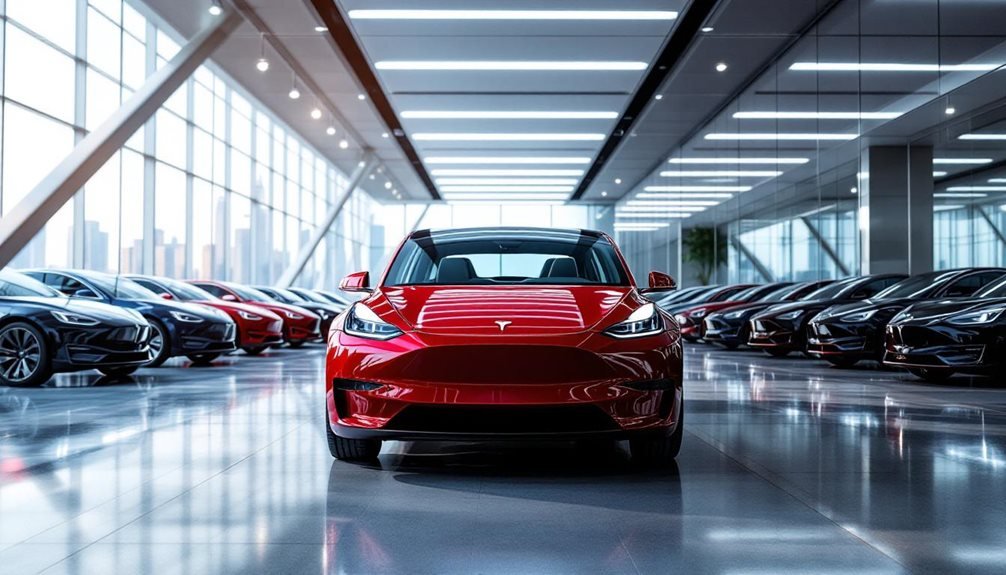
When Tesla’s robotaxis hit the streets of Austin, Texas on June 12, 2025, they marked a major shift in how people might get around cities. The company started with just 10 to 20 vehicles, each with safety monitors inside. These self-driving cars can only operate in certain parts of Austin and can’t run between midnight and 6 a.m. Rides cost a flat $4.20 through Tesla’s app.
Tesla’s approach differs from competitors like Waymo. While other companies use expensive lidar sensors, Tesla relies only on cameras and artificial intelligence. This makes their vehicles cheaper to build. The company says it could turn its 4 million existing cars into robotaxis through software updates alone. In addition to its cost-effective approach, Tesla continuously enhances its vehicles with features that improve the driving experience, such as the tesla road trip navigation features that optimize routes and charging stops. This innovative technology not only supports long-distance travel but also demonstrates how Tesla’s software-centric model sets it apart from its competitors. By leveraging existing hardware and enhancing it through updates, the company is redefining what is possible in autonomous driving. Despite this innovative approach, some users have expressed frustration over certain features, particularly wondering why Apple CarPlay is missing from Tesla vehicles. This absence has led to speculation about the company’s focus on developing its own ecosystem rather than integrating existing third-party technologies. As Tesla continues to enhance its AI capabilities, it may eventually reconsider its stance on compatibility with popular smartphone interfaces.
Remote operators watch these vehicles and can take control if something goes wrong. The cars also avoid bad weather and stay within their approved areas. Despite these safety measures, many experts remain skeptical about Tesla’s plans.
“It’s still early-stage,” Morningstar analysts said about the Austin launch. Walker Smith, an expert on self-driving cars, questioned whether Elon Musk’s timeline for expansion would actually happen. Tesla has delayed autonomous driving features before, which adds to the doubt.
The limited rollout shows the challenges Tesla faces. The cars can’t go everywhere in Austin, and they don’t operate during late-night hours. For Tesla to expand beyond this test, they’ll need approval from regulators and must prove their cars can handle different weather conditions.
If successful, Tesla’s robotaxis could change the ride-hailing industry. The company claims it can offer cheaper rides than Uber or Lyft. Tesla owners might even make money by letting their cars work as robotaxis when they’re not using them. Tesla vehicles can even serve as comfortable overnight shelters through features like Camp Mode, which maintains climate control and entertainment systems for extended periods. Tesla also plans to expand to 1,000 vehicles within months after the initial launch. The potential for robotaxis to revolutionize transportation extends beyond just cost savings. With the flexibility of using their vehicles as both transportation and temporary living spaces, it’s no wonder why Tesla owners are dining in cars, enjoying a unique blend of comfort and utility. This innovative approach not only maximizes the utilization of the vehicles but also transforms the way people think about mobility and lifestyle. As Tesla rolls out its robotaxi service, the 2026 Tesla Model X features are expected to enhance the overall experience for passengers and drivers alike. Innovations in safety and entertainment, along with state-of-the-art navigation systems, will position these vehicles as not just a mode of transport, but a holistic travel solution. The combination of affordability and advanced technology could redefine urban mobility.
Professor Kara Kockelman thinks Tesla could succeed if they solve the technical problems. The company’s ability to update millions of cars at once gives it an advantage over competitors who must build new fleets from scratch. With Tesla’s expanding business model, the company is not only focused on electric vehicles but is also venturing into energy solutions and autonomous driving technologies. This diversification could further solidify its position in the market, allowing Tesla to innovate across multiple sectors simultaneously. If successful, these advancements may attract new customers and strengthen brand loyalty in an increasingly competitive landscape.
For now, Austin residents can try these robotaxis in a small area during daytime hours. Whether this limited test leads to a transportation revolution remains to be seen.