Against a backdrop of aggressive expansion plans, Tesla is pursuing an ambitious leap into the robotaxi market. The company’s goals are bold and specific: 1,000 robotaxis in the Bay Area and 500 in Austin by the end of 2025. That’s just two months away, which means Tesla’s working on a compressed timeline to hit these targets.
Tesla’s ambitious robotaxi expansion targets 1,000 vehicles in the Bay Area and 500 in Austin by year-end 2025, operating on an aggressive compressed timeline.
Tesla’s strategy involves expanding to eight to ten metro areas by December 2025. Austin has been selected as the first city where Tesla will remove safety drivers from substantial areas. CEO Elon Musk stated there should be no safety driver by year’s end, marking the largest operational advancement for Tesla’s autonomous program. The company has stated targets for Las Vegas, Phoenix, Dallas, Houston, and Miami as next expansion cities. According to Tesla’s projections, millions of Teslas are expected to operate fully autonomously in the second half of 2026.
The company’s been described as “super paranoid about safety” during development, which shows they’re taking the responsibility seriously. Tesla remains committed to safety and reliability as core principles guiding autonomous vehicle deployment. This approach aligns with regulatory requirements that mandate editorial oversight of safety claims in autonomous vehicle communications.
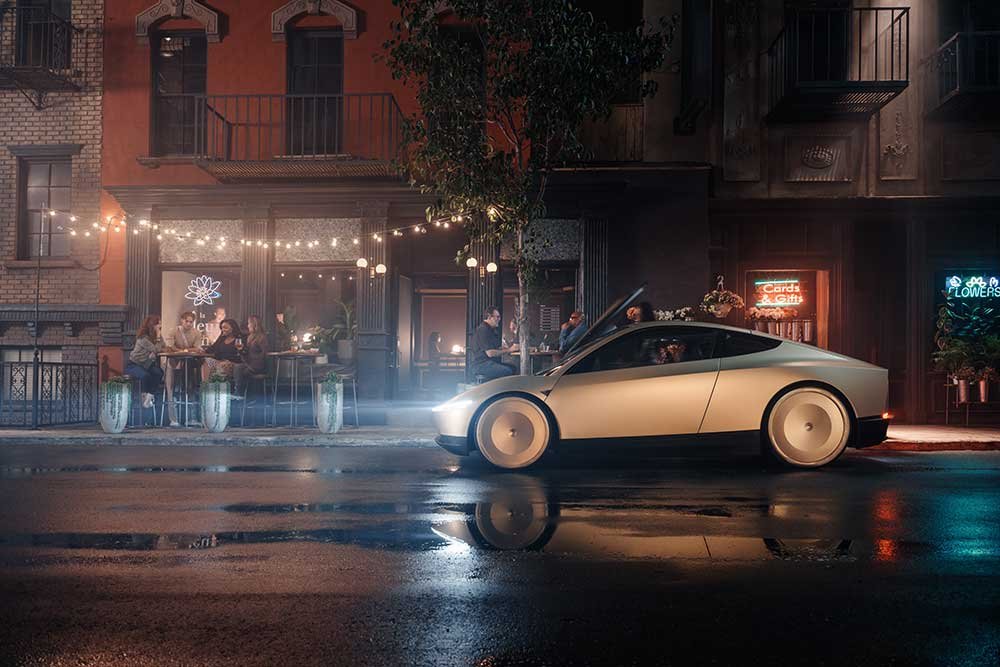
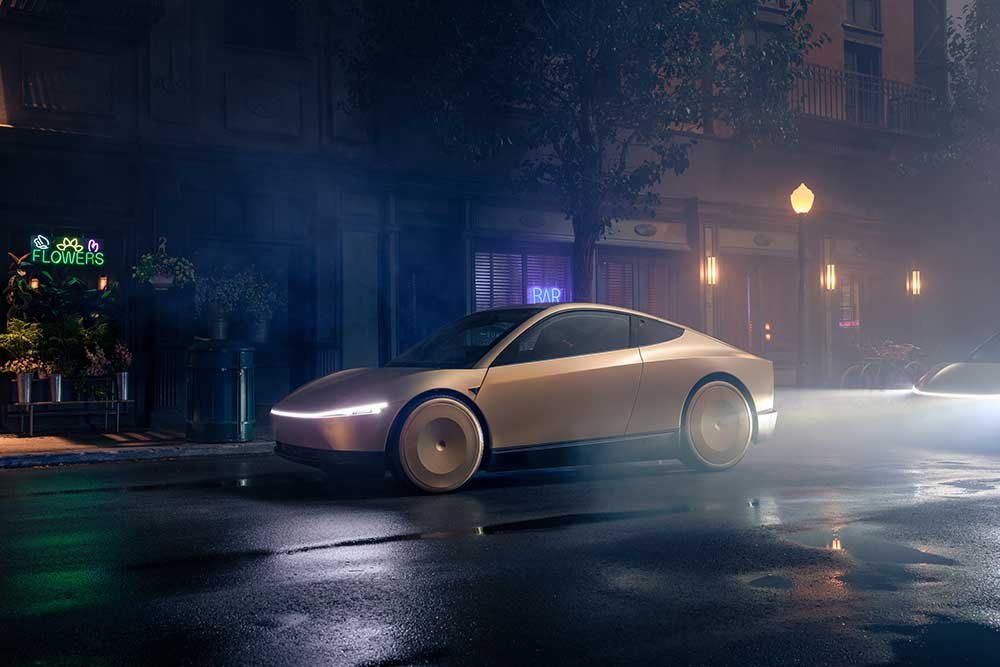
The robotaxi service is currently launching with modified Model Y vehicles. Tesla’s Cybercab represents the company’s purpose-built fully autonomous vehicle for future rollout, with production expected by 2026. However, Tesla’s current systems—FSD and Autopilot—are classified as SAE Level 2 ADAS, which means they’re not yet fully autonomous. Reaching Level 5, where vehicles operate without any human intervention, remains Tesla’s development goal.
Competing against Tesla is Waymo, which already operates 2,500 vehicles across five U.S. regions. Waymo has 1,000 in San Francisco, 700 in Los Angeles, 500 in Phoenix, 200 in Austin, and 100 in Atlanta. Musk characterized Waymo’s fleet as “rookie numbers” on social media, reflecting Tesla’s competitive stance.
Wall Street appears optimistic about Tesla’s robotaxi ambitions. Stifel raised its price target on Tesla stock, signaling confidence in the company’s autonomous vehicle strategy. Experts recognize that robotaxi growth is central to Tesla’s long-term valuation strategy.
However, history offers caution. Musk’s been making autonomous vehicle predictions since 2013, with many timelines getting revised. A 2023 investor lawsuit alleging securities fraud over autonomous claims was dismissed as “corporate puffery” in 2024.
Tesla also predicts a “difficult year” ahead for AI and robotaxi development in 2026, suggesting challenges remain despite current enthusiasm. The robotaxi fleet’s durability expectations are promising, as Tesla vehicles are designed to last 300,000 to 500,000 miles with proper maintenance.