
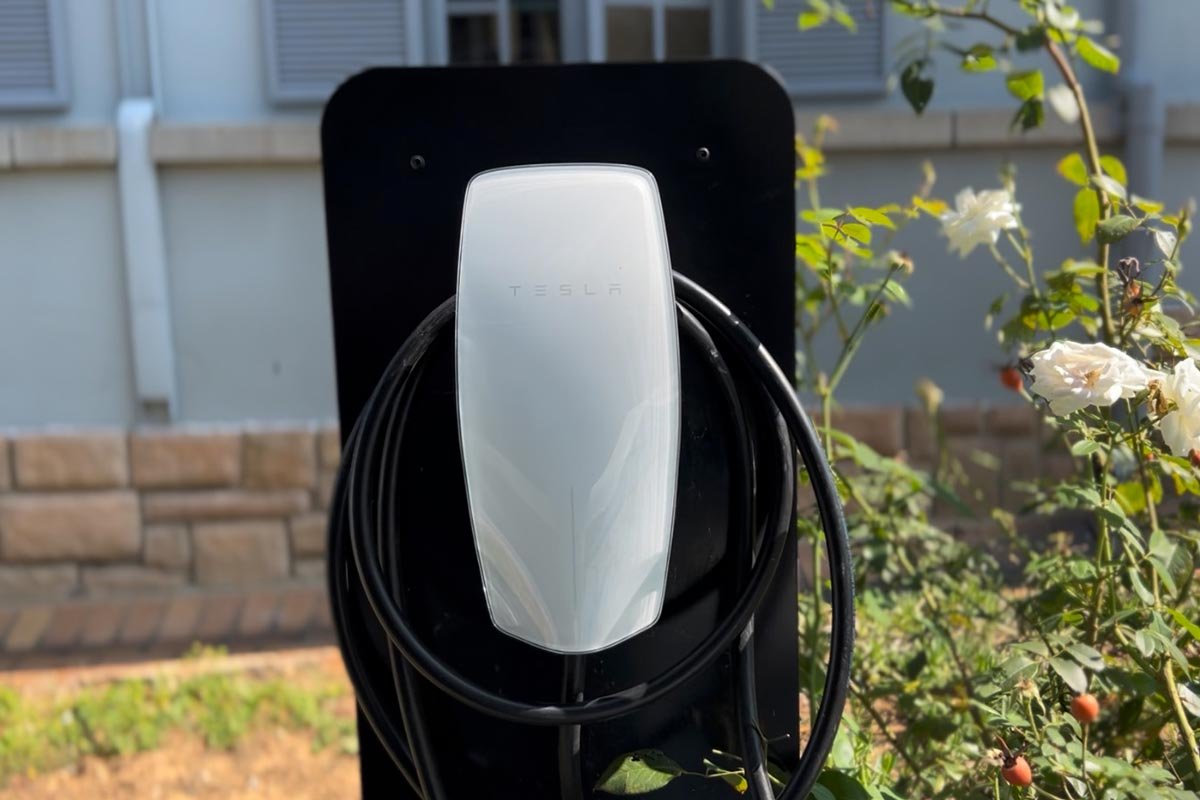
Tesla’s cold weather features tackle winter’s biggest EV challenge: vanishing range. The preconditioning system warms batteries and cabins before departure, preventing the brutal 20-30% range loss that hits unprepared drivers. Heat pumps replace energy-hungry resistive heating. Heated seats and steering wheels activate instantly. Traction control adjusts continuously to slippery conditions, while regenerative braking limits reduce wheelspin on ice. The blue snowflake icon warns when cold batteries limit performance. These systems revamp winter driving from anxiety-inducing to surprisingly manageable—assuming drivers comprehend the nuances.
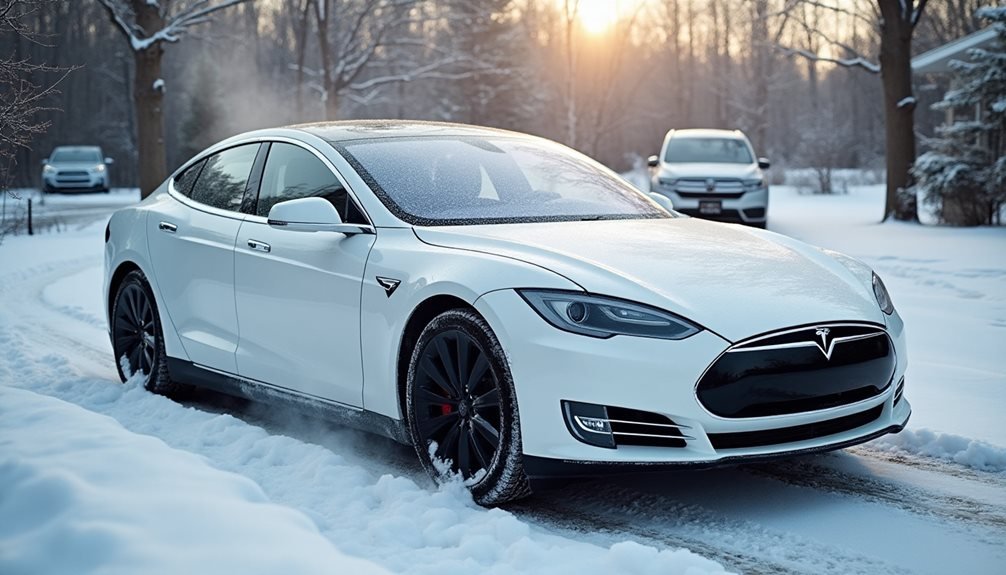
How does a car designed in sunny California handle winter’s brutal assault? Tesla’s cold weather features prove that electric vehicles can actually excel when temperatures plummet and roads turn treacherous.
The preconditioning system stands as Tesla’s first line of defense against winter. Owners can schedule battery and cabin warming through the touchscreen or mobile app, customizing timing and frequency. This isn’t just comfort – it’s strategy. Preconditioning reduces the initial heating load on the battery during cold starts, preserving precious range that would otherwise vanish into the frigid air.
Tesla’s preconditioning isn’t just comfort – it’s strategic warfare against winter’s range-stealing assault on your battery.
When winter strikes hard, Tesla’s climate control arsenal kicks into high gear. Heated seats and steering wheel activate instantly via touchscreen. No waiting around like some peasant with outdated technology. Keep Climate On and Dog Mode maintain cabin temperature during stops, while live camera integration lets owners monitor pets or surroundings in real-time. The heat pump technology enhances efficiency during cold weather operation, proving that smart engineering beats brute force. Preconditioning battery optimizes charging performance when arriving at Superchargers in freezing conditions.
Traction becomes critical when roads resemble ice rinks. Tesla’s adaptable traction control continually adjusts torque delivery to prevent wheel spin on slippery surfaces. The equal mass distribution improves handling in snowy conditions, while regenerative braking limits reduce in extreme cold to prevent wheelspin. Traffic-Aware Cruise Control may increase power delivery on hills, risking traction loss on ice – manual mode becomes the safer choice. Chill Mode restricts abrupt acceleration for safer traction when friction disappears.
Cold air increases aerodynamic drag, reducing range through heightened resistance. Cabin heating accounts for at least 40% of energy use in sub-freezing temperatures. That’s brutal math. Cold-weather range loss reaches 20-30% in extreme temperatures without preconditioning, but battery warming prevents degradation from rapid thermal shifts. The blue snowflake icon warns drivers when cold battery conditions limit vehicle performance.
Hardware improvements address real-world problems. Heat pump implementation considerably enhances battery efficiency. Older door handle freezing issues got fixed through heater redesigns and software updates. Autopilot faces limitations when ice covers camera sensors, requiring manual activation and driver vigilance. Emergency cabin power through Camp Mode maintains heating alongside media use, while automatic climate system shutdown at 20% battery conserves critical power reserves. The Tesla app provides convenient access to charging cost estimates and session monitoring during winter Supercharging stops.
Frequently Asked Questions
How Much Does Tesla’s Cold Weather Package Cost to Add?
Tesla’s cold weather package runs $750-$1000, but here’s the kicker – you can’t just add it later.
It’s factory-only for Model S and X vehicles, especially pre-2017 models.
No post-purchase upgrades, no service center installs.
You either order it when buying the car or you’re out of luck.
The package includes heated seats, steering wheel, mirrors, and washer nozzles.
Pretty straightforward pricing, terrible flexibility.
Does Cold Weather Mode Work Automatically or Require Manual Activation?
Tesla’s cold weather features are split between automatic and manual activation. Battery heating, regenerative braking adjustments, and traction control responses happen automatically—no driver input needed.
However, cabin preconditioning requires manual scheduling through the app or touchscreen. Seat heaters, steering wheel warmers, and mirror folding need manual activation too. So it’s a mixed bag.
The car handles the technical stuff automatically, but comfort features demand human intervention.
Can I Retrofit Cold Weather Features to My Existing Tesla Model?
Retrofitting cold weather features to existing Teslas? Not happening. Tesla doesn’t offer official retrofit options for the Subzero Weather Package hardware.
Heated seats, wiper defrosters, nozzle heaters – they all require factory integration. The company’s proprietary systems basically slam the door on aftermarket installations.
Third-party solutions exist, but they risk voiding warranties or damaging the battery.
Software updates might add some preconditioning features though.
How Much Extra Battery Range Does Preconditioning Consume in Winter?
Preconditioning typically drains about 2% of battery capacity per session. That translates to roughly 6 miles of range on a 300-mile battery. Not exactly catastrophic, but it adds up fast.
Multiple daily sessions compound the drain.
The real kicker? Preconditioning while parked away from home eats into your remaining trip range. Cold conditions make it worse since the battery works harder heating up.
Are Tesla Cold Weather Features Available in All Geographic Regions?
Tesla’s cold weather features roll out universally across all geographic regions. No regional restrictions here – preconditioning, heat pumps, flexible regenerative braking, and heated steering wheels work whether you’re in Minnesota or Morocco.
Software updates implement globally through over-the-air connections.
Norway’s EV dominance proves these features actually work in brutal conditions.
Pretty smart move considering winter exists everywhere, not just certain zip codes.