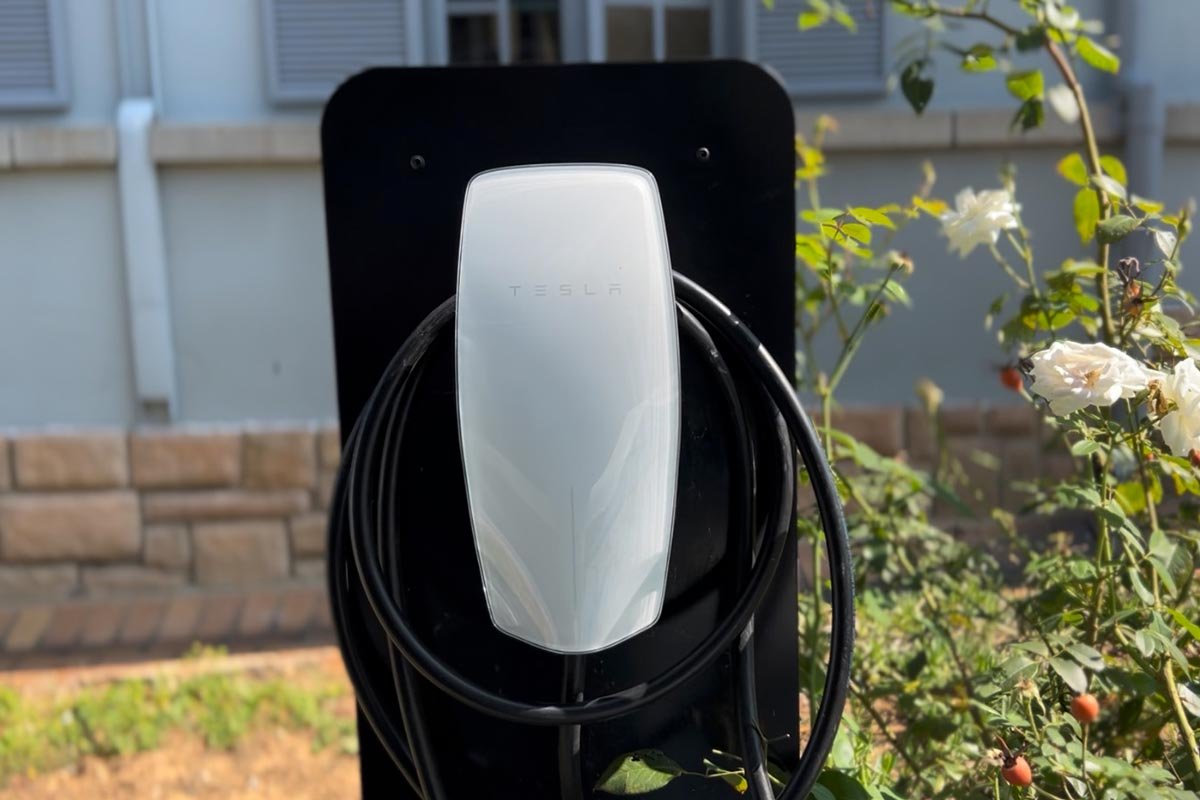
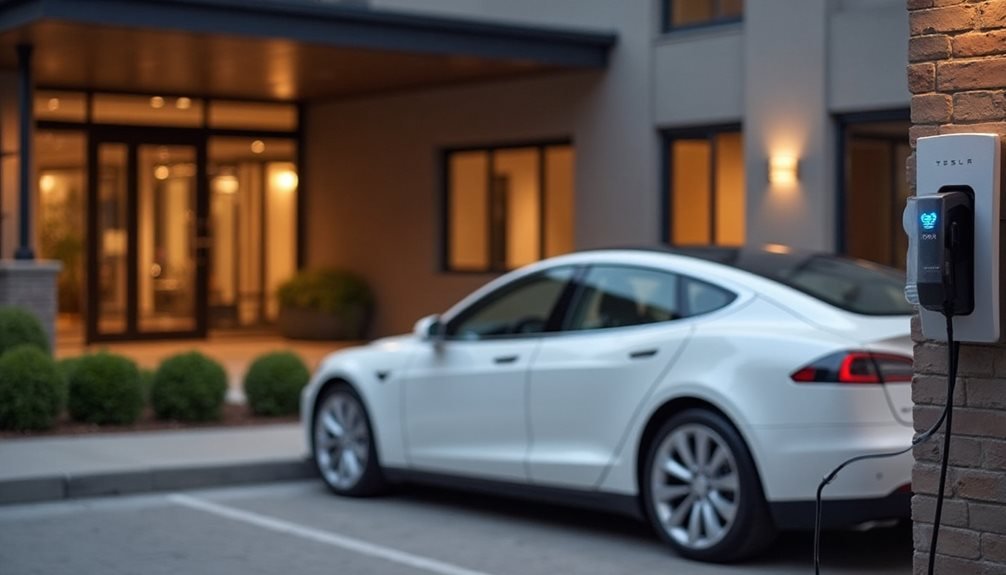
Tesla Destination Charging places Level 2 chargers at hotels, restaurants, and shopping centers where people naturally park for hours. These 7.4-22 kW Wall Connectors charge slower than Superchargers but faster than regular outlets. Business partners install them, usually offering free charging to Tesla drivers. No reservations needed, though waiting might happen. They’re integrated into Tesla’s guidance system for easy exploration. It’s basically charging while you sleep, shop, or eat – because who doesn’t love multitasking their electricity consumption.
Tesla Destination Charging
Where exactly does a Tesla owner charge when they’re not racing down highways or sleeping at home? Enter Tesla Destination Chargers, the middle child of the EV charging world that nobody talks about but everyone secretly relies on.
These chargers operate on Level 2 AC charging technology, delivering power at 7.4 kW, 11 kW, or 22 kW capacities. That’s considerably slower than Tesla’s famous Superchargers, which blast out 72-250 kW of pure electrical fury.
But here’s the thing—destination charging isn’t about speed. It’s about convenience.
Tesla Wall Connectors use Type 2 cables for Tesla vehicles, though other EVs can join the party with J1772 adapters. The charging process is unexpectedly simple: plug in, and it often starts automatically. No fumbling with payment apps or credit cards because these chargers are typically free. Yes, free. Partner locations foot the bill to attract Tesla-driving customers. For those who prefer charging at home, the Tesla mobile connector offers a convenient solution, allowing owners to charge their vehicles overnight. Tesla mobile connector explained, this device comes with interchangeable plugs suitable for different outlet types, ensuring flexibility and ease of use. As a result, Tesla drivers can enjoy worry-free charging whether on the road or at home. In the rare event that you encounter any difficulties, resources are available for troubleshooting Tesla charging issues. Many users find support through online forums or the official Tesla app, which provides helpful tips and guidance. Additionally, Tesla’s customer service can assist with resolving more complex problems quickly and efficiently.
You’ll find destination chargers lurking at hotels, resorts, shopping centers, restaurants, and office complexes. Basically anywhere people park for hours instead of minutes.
Destination chargers hide in plain sight wherever you’d naturally spend hours, not hurried minutes.
Luxury properties especially love installing these chargers—it’s like putting out a welcome mat for affluent Tesla owners.
The ownership structure differs dramatically from Superchargers. While Tesla owns and operates its Supercharger network, destination chargers are installed by business partners. Hotels and retailers handle installation using existing 240V circuits, which limits how many they can realistically install. If no destination charger is available, Tesla owners can even use generator charging with appropriate adapters as a backup solution. Tesla’s global charging network now includes over 40,000 Wall Connectors across various locations worldwide.
Tesla’s navigation system makes finding these chargers simple enough. The app shows real-time charging status, though there’s no reservation system. If all spots are taken, you wait. Or find somewhere else to shop.
The brilliance lies in the use case. Destination chargers work perfectly for overnight hotel stays or afternoon shopping trips. You’re not standing around tapping your foot—you’re doing whatever brought you there in the first place. Your car charges while you sleep, eat, or blow money on things you don’t need.
For Tesla owners, destination charging fills the gap between home charging and highway Superchargers. Tesla’s Wall Connector technology is actually the same system available for home installations, making the charging experience consistent whether you’re at a hotel or in your own garage. It’s practical, free, and integrates seamlessly into daily life without requiring any lifestyle changes.
Frequently Asked Questions
Can Non-Tesla Vehicles Use Tesla Destination Charging Stations?
Non-Tesla vehicles can use Tesla Destination Chargers, but it’s complicated. Type 2 connector EVs work without adapters.
Type 1 vehicles need their own Type 2-to-Type 1 converter. Users must download the Tesla app to start charging sessions—no on-site controls exist.
Some locations still restrict access to Tesla owners only.
It’s slow Level 2 charging, not the fast Superchargers everyone talks about.
How Much Does It Cost to Charge at Tesla Destination Locations?
Tesla destination charging costs vary wildly depending on the business. Many locations offer free charging to customers — hotels and restaurants use it as a perk.
Some locations charge parking or valet fees instead.
Peak hours (4 PM-8 PM) can trigger surcharges.
Stay past 90% charge? Congestion fees kick in.
Businesses can set electricity fees, though Tesla frowns on unapproved surcharges.
It’s basically a free-for-all.
Do I Need to Make Reservations to Use Destination Charging?
No reservations needed for Tesla Destination Chargers. It’s strictly first-come, first-served at most locations.
The Tesla app shows real-time availability but won’t let you book slots ahead of time.
Some hotels might let guests request charger access when booking rooms, but that’s unofficial territory.
Basically, you roll up and hope for the best. No fancy reservation systems here.
How Long Does It Take to Fully Charge Using Destination Charging?
Full charge times vary by model and charger power. Model 3 takes 8-12 hours, while larger models like Model S need 10-15 hours. That’s from completely dead to full.
Destination chargers typically run 8-16kW, adding 35-44 miles per hour.
Basic math: divide battery capacity by charger power. Real world? Always takes longer thanks to battery management systems and other factors.
Are Tesla Destination Chargers Available 24/7 at All Locations?
Tesla destination chargers aren’t universally available 24/7 at all locations. Most sites offer round-the-clock access through partnerships with hotels and parking garages, but some locations have restricted access requiring validation codes or parking fees. Others align with host business hours—think restaurant parking lots that close overnight.
Real-time status checks through Tesla’s route planning system help drivers confirm actual availability before arriving.