
Tesla’s notorious bad smell problem stems from a glaring design flaw in the ventilation system. The hood-mounted air inlet lacks proper weatherstripping, allowing rain and car wash water to flood directly into the cabin filter compartment. Without drainage, this trapped moisture creates a perfect breeding ground for mold and bacteria. The result? That distinctive wet gym sock odor that plagues thousands of Tesla owners. Comprehending the full scope of this issue reveals several practical solutions.
Why does a $50,000 electric vehicle smell like a high school locker room? Tesla owners across the country are asking this exact question, and the answer isn’t pretty.
The culprit is shockingly simple: water gets where it shouldn’t. Tesla’s hood-mounted air inlet lacks proper weatherstripping, creating a direct pathway for rain and car wash water to flood the cabin filter compartment. It’s a design flaw that would make any engineer cringe.
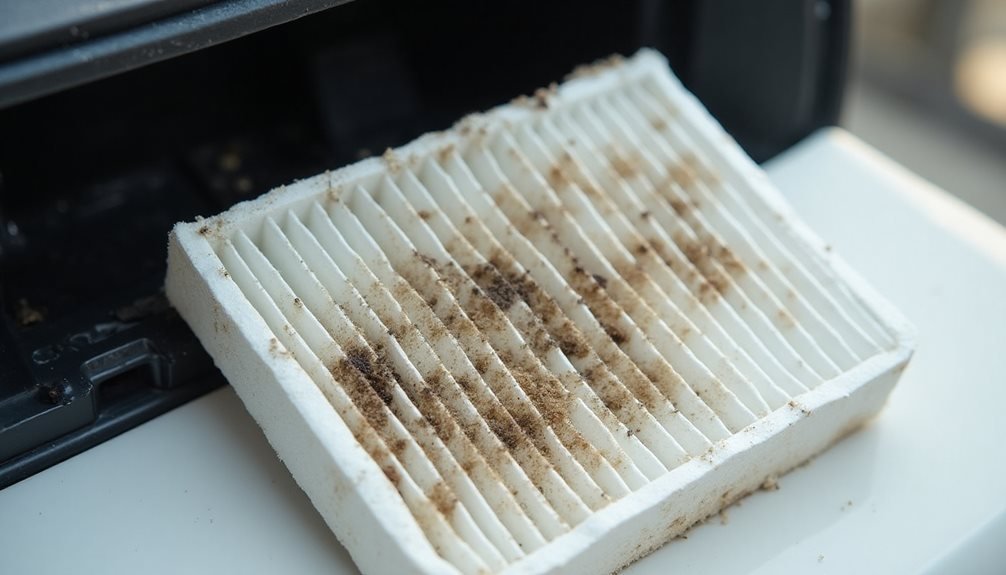
The HEPA filters in Model 3 and Y vehicles trap moisture like sponges during normal operation. When water from the under-hood air ducts mixes with trapped debris, you get a perfect breeding ground for mold and bacteria. The filter cabinet has zero drainage, so water just sits there, festering.
Mold starts growing within hours of moisture exposure. Owners report that gym-sock odor appearing anywhere from one month to eighteen months after purchase, depending on climate and how often they wash their car.
The recirculation mode makes everything worse by cycling contaminated air through the moldy filter repeatedly. Traditional vehicles like the Acura RDX and Honda Accord route cabin air from behind the firewall, providing multiple protective layers that Tesla’s front-mounted design completely lacks.
Tesla’s Wash Mode attempts to solve this by covering the air inlet during car washes, but it requires manual activation. Most owners don’t even know it exists until the damage is done.
Clogged filters compound the problem. Pollen, debris, and moisture create bacterial colonies that smell like wet compost when they decompose.
Tesla recommends filter replacement every twelve to eighteen months, but reality demands more frequent changes. OEM filters cost around thirty-four dollars for the pair, though aftermarket options work just as well for less money. Just like maintaining tire pressure prevents costly tire damage, regular filter maintenance prevents expensive HVAC system repairs.
The evaporator coils can also harbor microbial growth, requiring separate cleaning with AC-safe sprays. Professional service centers handle deep contamination, but DIY cleaning is possible with proper care.
Prevention is straightforward but requires vigilance. Enable Wash Mode during every car wash, replace filters when odors emerge regardless of Tesla’s timeline, and avoid recirculation mode when possible. The powerful airflow of the HVAC system actively sucks water into the air filter, especially when operating during wet conditions.
Some owners manually block air intakes during washes and allow extended drying times after rain exposure. The recurring theme is clear: Tesla’s ventilation system needs constant babysitting to prevent turning your premium electric vehicle into a mobile petri dish.
Frequently Asked Questions
How Often Should I Replace My Tesla’s Cabin Air Filter?
Tesla recommends replacing standard cabin air filters every two years or 20,000 miles. HEPA filters last longer – three years thanks to better efficiency.
But that’s just the baseline. City dwellers dealing with smog? Every 12 months.
Live somewhere dusty or agricultural? Even sooner.
The car will remind drivers, but waiting for visible dirt is already too late for peak performance.
Can I Use Regular Air Fresheners in My Tesla?
Regular air fresheners can technically work in a Tesla, but they’re not ideal. Tesla’s efficient vents, especially in Model 3/Y, don’t play nice with generic options. Adhesive strips might damage surfaces, hanging fresheners obstruct airflow, and they often don’t distribute scent evenly.
Tesla-specific air fresheners use proper mounting systems and natural oils designed for the cabin environment. Generic ones typically last weeks versus months for purpose-built alternatives.
Does Tesla Warranty Cover Bad Smell Issues?
Tesla warranty coverage for smell issues depends entirely on the root cause. Component failures like refrigerant leaks or faulty sensors? Covered. Software glitches causing AC problems? Also covered. Design flaws with HEPA filters absorbing moisture? Sometimes covered.
But routine maintenance like cabin filter replacements or smells from regional humidity? Not a chance. Document everything, request Tesla diagnostics, and blame design defects when possible. If the vehicle suddenly won’t turn on or you’re left wondering, “why is my tesla not charging,” it’s crucial to gather evidence of any recurring issues. This information can significantly strengthen your case with Tesla’s customer service. Remember, persistence is key when asserting your rights as a consumer.
Will Cleaning My Tesla With Certain Products Void the Warranty?
Using certain cleaning products can absolutely void Tesla’s warranty. The key word here? “Certain.”
Tesla-approved evaporator cleaners won’t trigger warranty issues, but household chemicals might damage HVAC components and leave owners stuck with repair bills.
The real kicker? Improper cleaning products that cause electrical component damage will void coverage fast.
Documentation matters too – keeping service records helps protect warranty status.
How Long Does It Take for New Tesla Smell to Fade?
New Tesla smell typically fades within 2-4 weeks, but some owners deal with it for months. Heat and humidity make VOCs linger longer.
Fresh air mode helps flush out trapped odors faster than recirculation. Parking with windows cracked speeds things up.
Tesla service often dismisses persistent smells as “normal.” Newer models seem worse offenders than older ones.