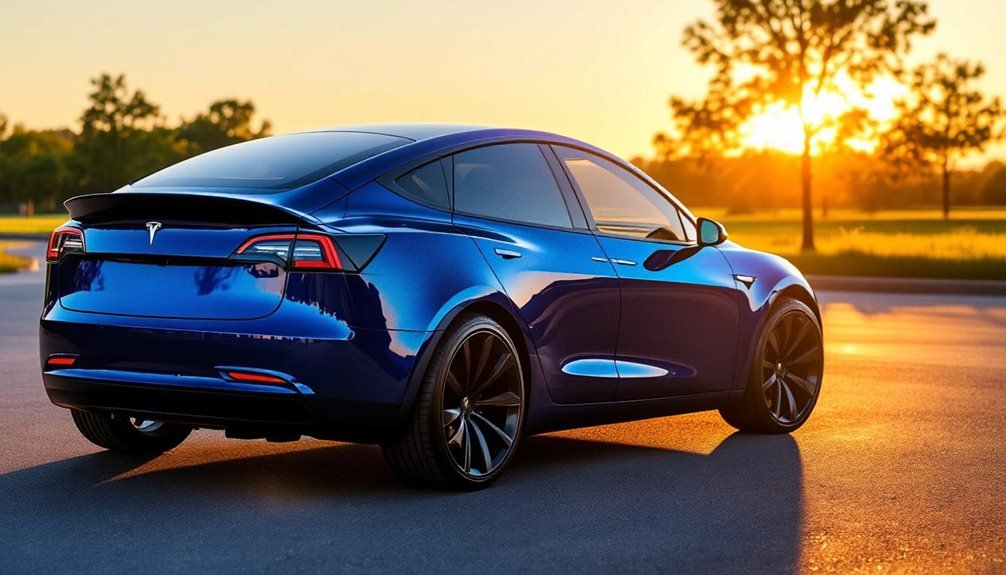
Innovation meets practicality in Tesla’s Model Y, the electric SUV that’s reshaping how drivers think about zero-emission vehicles. While many focus on Tesla’s impressive acceleration stats, Elon Musk believes the Model Y’s regenerative braking system deserves more recognition than raw speed performance.
Regenerative braking transforms everyday driving into energy recovery, proving electric vehicles excel beyond flashy acceleration numbers.
The regenerative braking technology captures energy during deceleration and feeds it back to the 57.5 kWh battery. This system doesn’t just save energy – it fundamentally changes how drivers interact with their vehicles. Every time the driver lifts off the accelerator, the car begins slowing down while converting motion into electricity. This process extends the vehicle’s 622-kilometer range and reduces wear on traditional brake components. The Model Y offers seating for up to 5 adults, making it a practical choice for families who want to experience this innovative technology.
Tesla’s engineers designed this feature to work seamlessly with the dual motor all-wheel drive system. The 220 kW motors can generate notable electricity when operating in reverse during braking. This recovered energy helps the Model Y maintain up to 350 kilometers of range even in cold conditions, when battery performance typically drops. Proper battery calibration ensures the most accurate range estimates and optimal performance from the regenerative braking system.
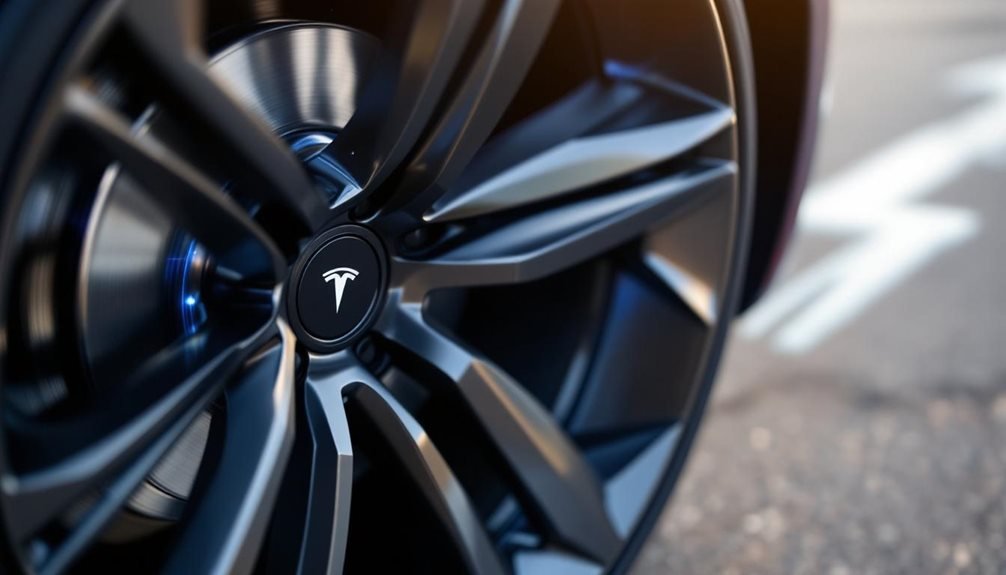
The technology integrates with other safety systems too. The ventilated disc brakes work alongside regenerative braking for consistent stopping power. Anti-lock braking and sway control systems complement this setup, creating multiple layers of vehicle control. The electric power-assist steering adjusts to these braking interactions, maintaining the SUV’s 6.06-meter turning radius for city driving. The Model Y’s seven airbags provide additional protection in emergency braking situations.
Software plays an essential role in optimizing regenerative braking performance. Over-the-air updates continuously enhance how the system captures and stores energy. The 15.4-inch central touchscreen displays real-time energy flow, showing drivers exactly how much power they’re recovering. Tesla’s mobile app helps locate charging stations, though regenerative braking reduces the frequency of charging stops.
The financial benefits extend beyond fuel savings. Since regenerative braking reduces mechanical brake usage, maintenance costs drop considerably. Tesla backs this technology with an eight-year warranty on the drive unit and battery. Combined with the vehicle’s zero-emission certification, regenerative braking represents the practical innovation that makes electric vehicles viable for everyday drivers, not just speed enthusiasts seeking five-point-six second acceleration times.