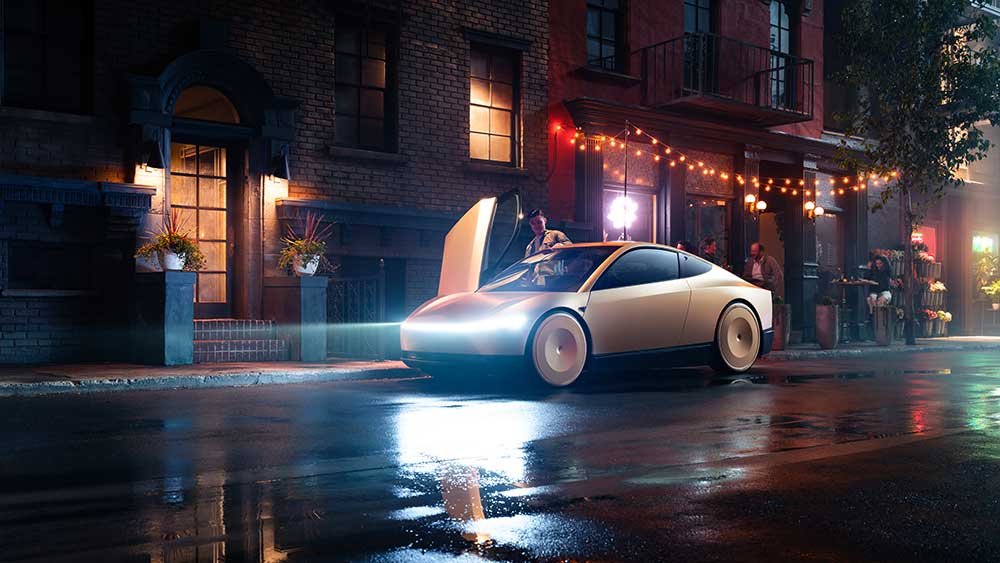

While both companies are racing to build self-driving taxi services, they’re taking very different approaches—and getting very different results. According to recent reports, Tesla’s Austin robotaxi service has notably higher incident rates than Waymo’s driverless fleets. This gap raises important questions about how these companies operate and what it means for safety on the road.
The numbers tell part of the story. Tesla claims one crash occurs per 6.36 million miles when Autopilot is engaged. However, independent analyses show different patterns for their robotaxi service. Meanwhile, Waymo maintains lower incident rates despite operating longer and in more complex urban environments. The comparison becomes tricky because the companies use different ways to classify and report incidents. Tesla’s safety statistics aren’t based on sample data, while Waymo likely uses different protocols entirely. These varying methods make direct comparisons difficult.
The size of their fleets matters too. Tesla started with just 10 to 20 vehicles in Austin and expanded by 50 percent after adding a second service area in late August 2025. The company hasn’t revealed its exact current fleet size. Waymo, by contrast, operates considerably more vehicles across multiple cities. This difference is important because larger fleets produce more data, making safety comparisons more reliable and meaningful. Data from the National Highway Traffic Safety Administration reveals ongoing regulatory scrutiny of these autonomous vehicle programs to ensure public safety standards are met.
How these vehicles operate also differs. Tesla’s robotaxi service still requires safety drivers for certain routes. A safety monitor sits in the driver’s seat on freeway drives. Waymo operates fully driverless in designated areas without human intervention. These different approaches affect how incidents get reported and counted. Tesla’s Level 2 system requires continuous driver supervision, which affects how autonomous their robotaxis truly operate compared to fully self-driving alternatives.
There’s another concern: Tesla expanded its service area without increasing the fleet proportionally. Customers have reported difficulty booking rides consistently, even though the service area grew larger. This suggests the company may be spreading its limited resources too thin.
The technology itself differs too. Tesla relies on cameras and vision-based systems. Waymo uses LIDAR, which uses laser technology. Each approach has different strengths and weaknesses. These choices likely influence accident rates and how safely the vehicles handle unexpected situations on real city streets.