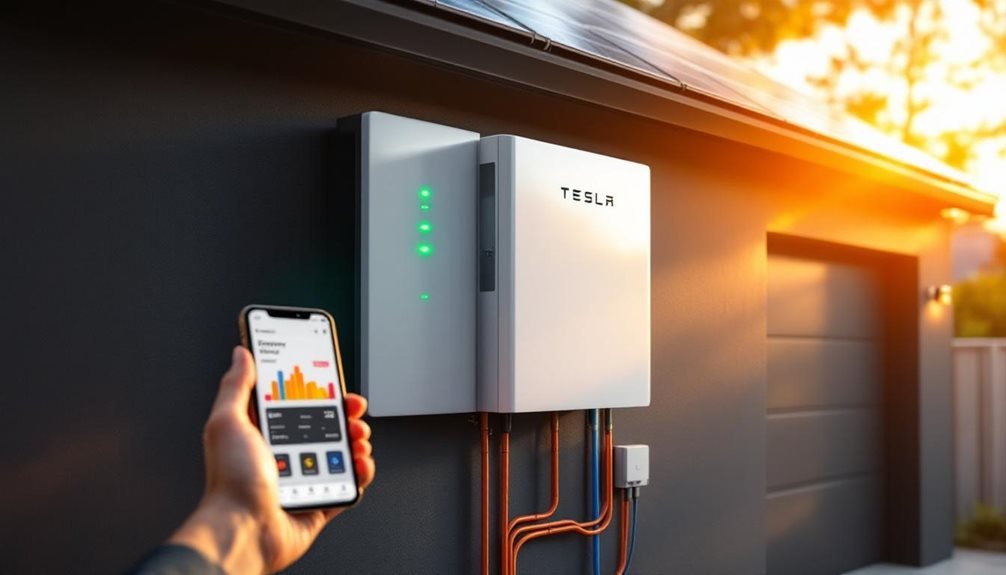

While Tesla’s Powerwall has helped thousands of homeowners store solar energy, a new Android app now lets them save even more money by connecting to real-time electricity prices. The app links Tesla’s battery system with Octopus Agile‘s pricing data, which changes every half hour throughout the day.
The app works by watching electricity prices and effortlessly deciding when to charge or discharge the Powerwall. When prices drop low, it fills the battery. When prices spike, it releases stored energy to power the home. This effortless system doesn’t require users to constantly check prices or adjust settings themselves. The app can optimize charging during off-peak times when rates drop as low as 16p/kWh, compared to peak rates that can reach 39p/kWh.
Octopus Agile customers pay different rates for electricity depending on the time of day. Prices can swing from negative values during sunny, windy periods to high peaks during evening demand. The Android app taps into this pricing data through Octopus’s system and combines it with information from Tesla’s Powerwall. The app essentially creates an automated time-based control system that maximizes the financial benefits of variable rate plans.
Early users report saving between 10% and 20% on their electricity bills compared to standard flat-rate plans. The savings come from what’s called energy arbitrage – buying electricity when it’s cheap and using stored power when it’s expensive. The app also helps during peak pricing periods by effortlessly switching homes to battery power.
The interface shows Powerwall energy levels next to current and predicted electricity prices. Users get alerts about the best times to use major appliances or charge electric vehicles. The app includes tutorials explaining how half-hourly pricing works and simulations showing potential savings based on different usage patterns.
Tesla’s existing app continues to handle core Powerwall functions like outage notifications and system health monitoring. The new Android app adds the tariff management layer on top without interfering with Tesla’s services. It works with Powerwall 2 systems and homes with solar panels.
The technology could push more homeowners toward variable tariffs and renewable energy systems. As electricity grids add more wind and solar power, prices fluctuate more dramatically. Apps that streamline responses to these price swings make variable tariffs practical for average consumers who don’t want to manually track pricing all day.